3. Not every leave absorbs nutrients equally
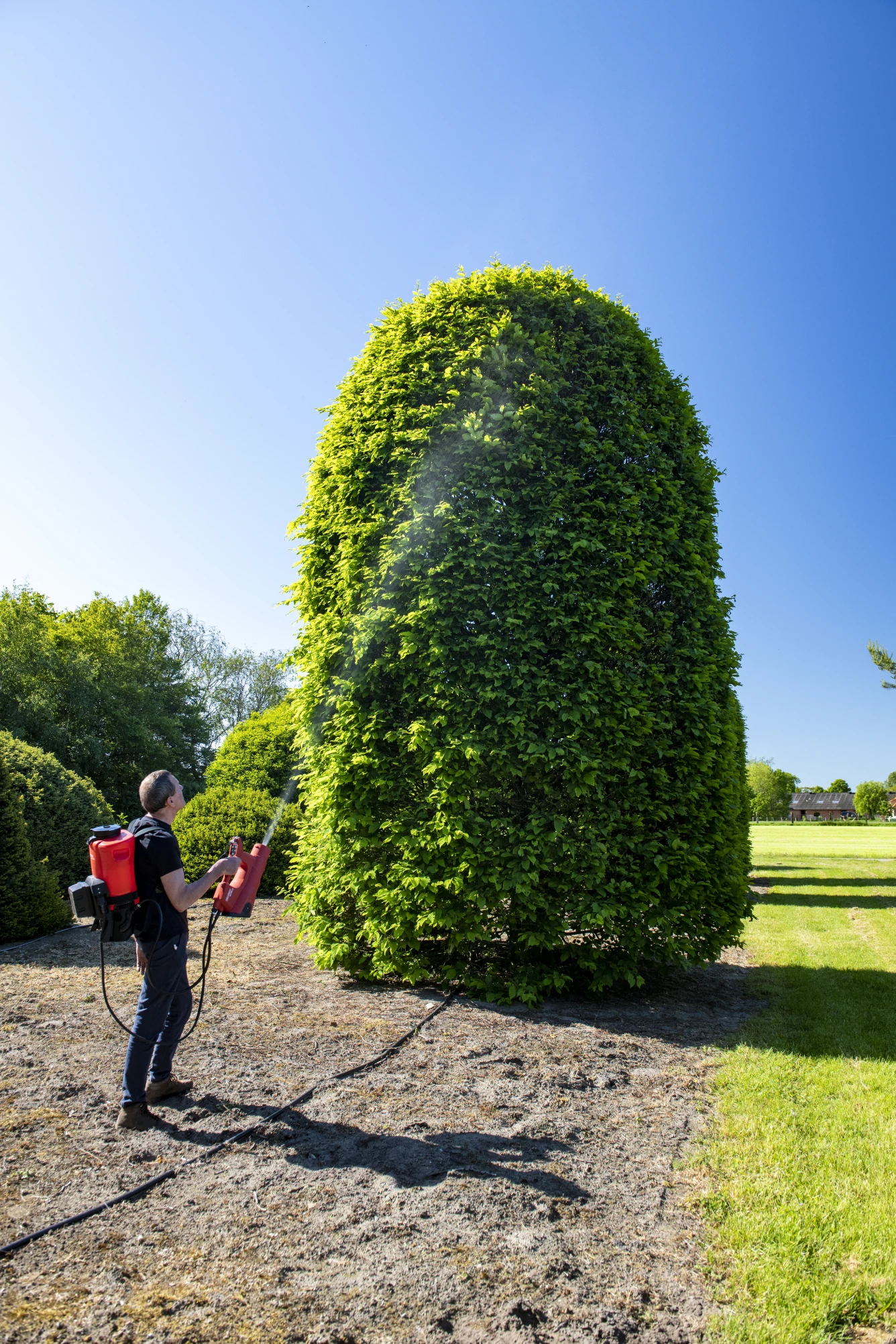
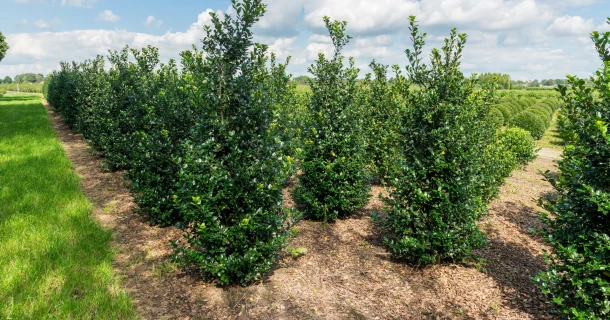
Foliar nutrient uptake varies considerably depending on leaf age and growth stage. Young leaves generally absorb nutrients more quickly than older leaves with a thicker waxy layer. Foliar fertiliser is more effective when sufficient young, actively growing foliage is present.
However, the growth stage also determines the effect:
During the development stage, foliar feeding provides targeted growth stimulation and allows young plants to be fine-tuned where needed.
Towards the end of the growing season, foliar feeding can be used to correct deficiencies and make targeted adjustments for better colour or an additional boost in quality.
Are plants having difficulty absorbing nutrients from the soil, for example due to cold conditions or high humidity? In such situations, foliar feeding can help meet specific nutrient needs independently of soil conditions.
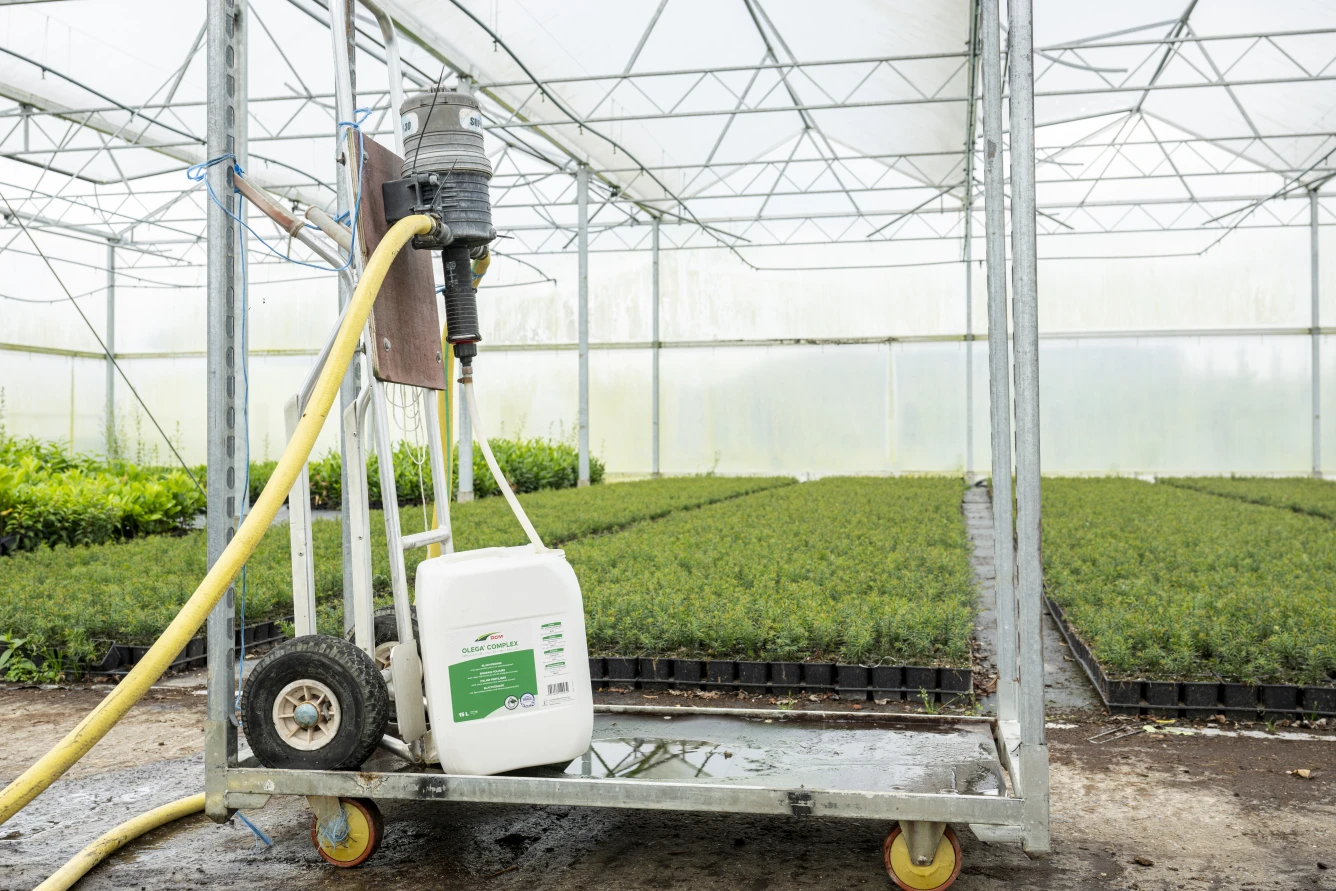
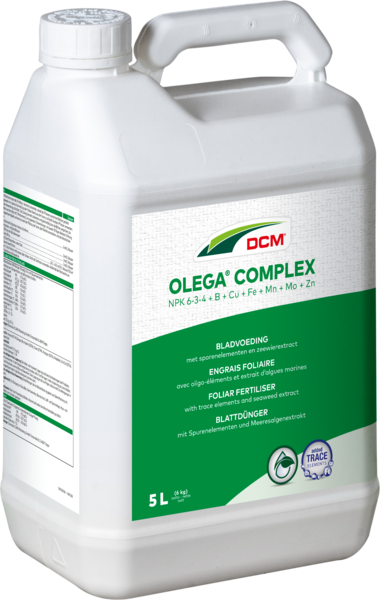
This is how DCM OLEGA® COMPLEX responds specifically to the needs of plants at different growth stages
4. Nutrient deficiencies ? Acting quickly pays off.
When a crop shows signs of nutrient deficiency, rapid intervention is essential.
Nutrient uptake through the roots takes time and is highly dependent on soil temperature, moisture levels and root activity. Nutrients applied through the leaves can be absorbed more quickly.
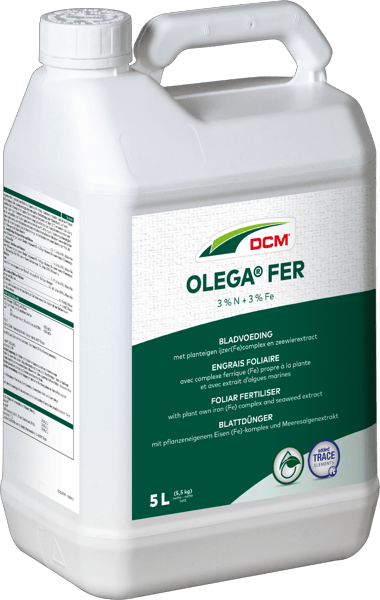
In the case of chlorosis or iron deficiency, for example, a targeted foliar application can produce visible results more quickly. In cases of general growth delays or colour problems, supplementary foliar feeding can also help get plants growing again.
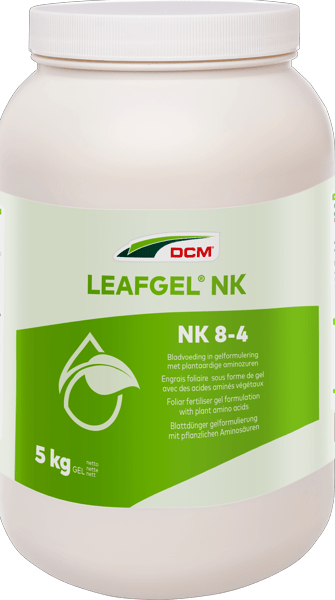
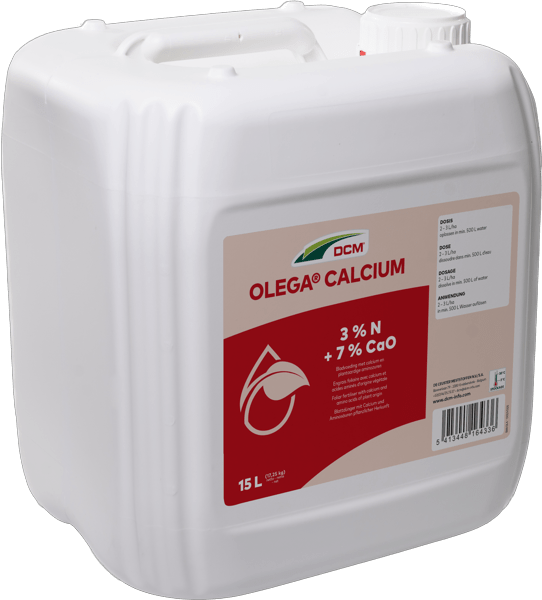
It is important to note that foliar fertilisers such as DCM OLEGA® COMPLEX, DCM LEAFGEL® NK, DCM OLEGA® FER and DCM OLEGA® CALCIUM do not replace base fertilisation. Instead, they complement and optimise it as a finishing tool.