Why water management is crucial today
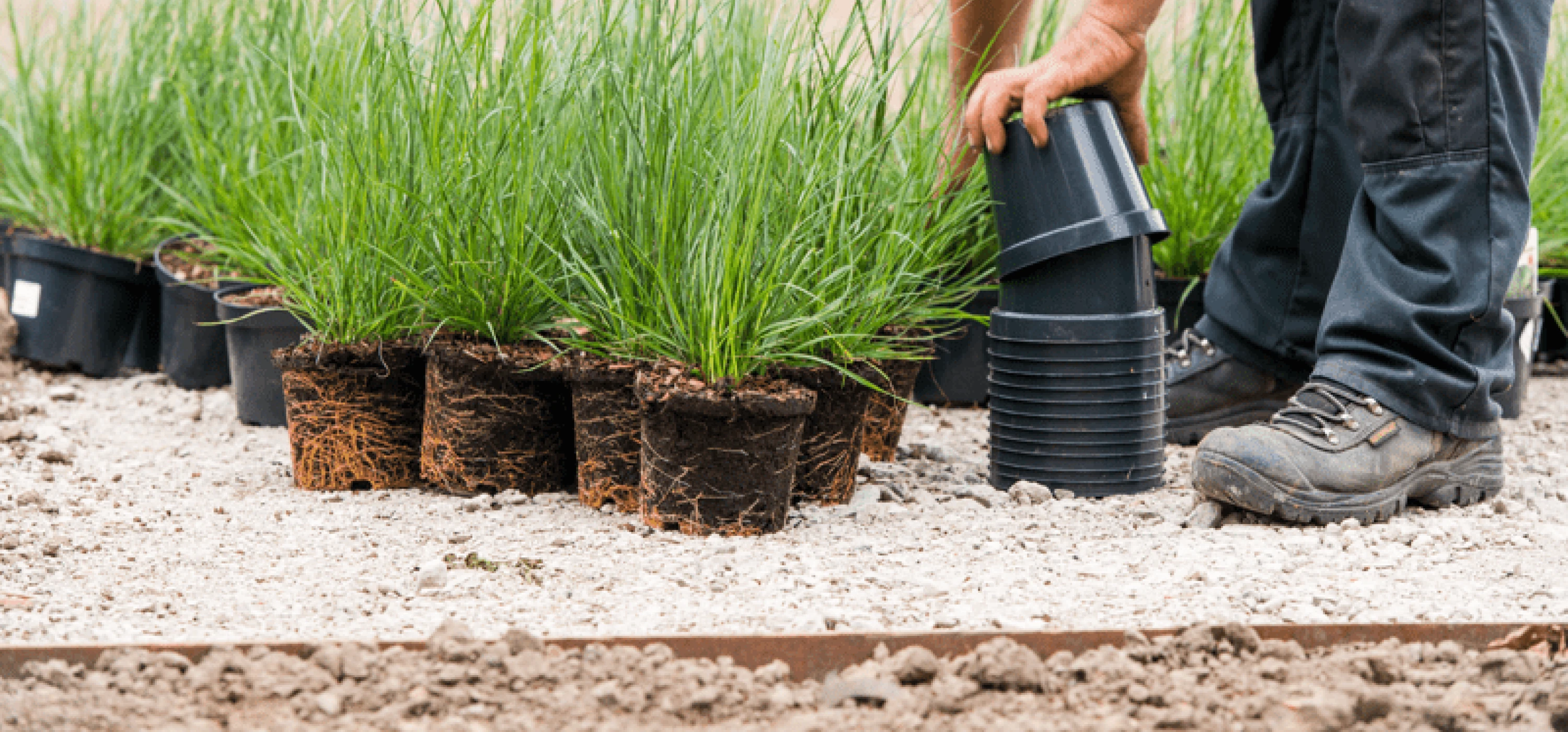
Where the impact of water on gardens used to be fairly predictable, today our gardens are increasingly under pressure. Intense downpours or prolonged periods of rain alternate with extended dry spells. New-build projects are particularly vulnerable in these extreme conditions, as they are often delivered with compacted soil that lacks soil life.
At the same time, today’s climate challenges call for soil in optimal condition. An airy and crumbly soil structure promotes root development and ensures that water infiltrates more effectively and remains available for longer. It forms an essential foundation for an attractive, resilient garden. Proper water management has therefore become an essential part of every garden project.
How do you recognise water-repellent or compacted soil?
As a professional, you’re familiar with the classic cases: clay soils that drain poorly and sandy soils that dry out quickly. These are situations you can easily address with appropriate planting and the right soil improvers and fertilisation.
However, soils compacted by site traffic often behave far more extremely.
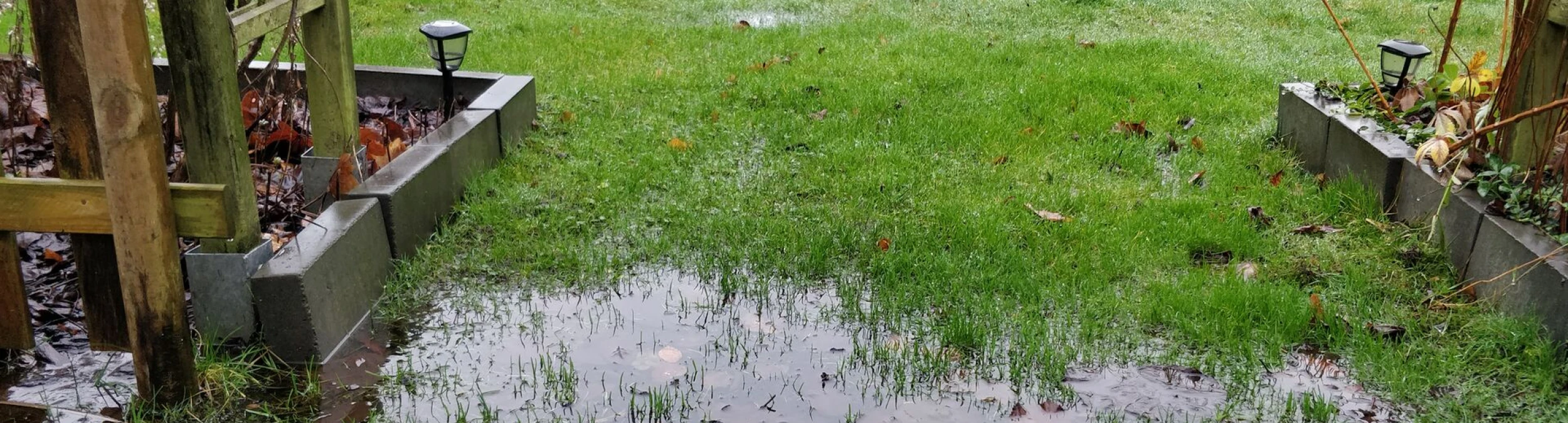
During prolonged rainfall, the top layer remains wet for too long, resulting in root rot. In dry periods, the soil can become water-repellent, making it difficult for plants to absorb water and nutrients. Lawns may deteriorate into patchy turf, with yellow discolouration and bare spots. The result: unexpected aftercare, additional costs and dissatisfied customers.
Soil analysis as the foundation for sustainable water management
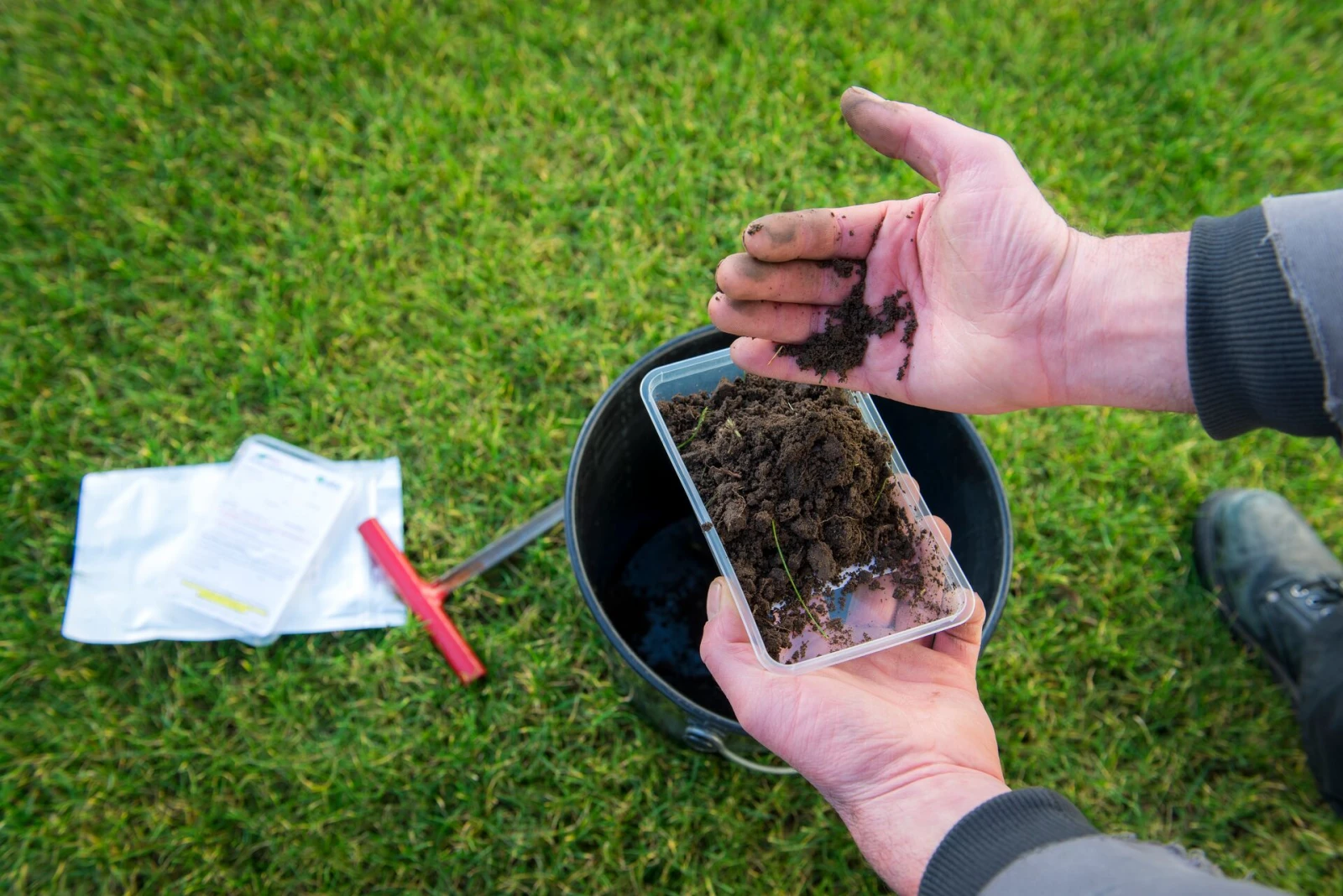
A professional soil analysis provides insight into soil structure, organic matter content and nutrient status. With this valuable information, you can take targeted action to
address water-repellent soil and start a sustainable recovery process. Organic matter and tailored fertilisation play a key role in this. DCM supports garden contractors and green professionals not only in interpreting soil analyses, but also in making well-informed and sustainable fertilisation choices.
Soil restoration in gardens: the crucial role of organic matter
Compacted soil first requires mechanical intervention: aeration or decompaction to break up compacted layers and create space for air and water. However, the real recovery begins afterwards.
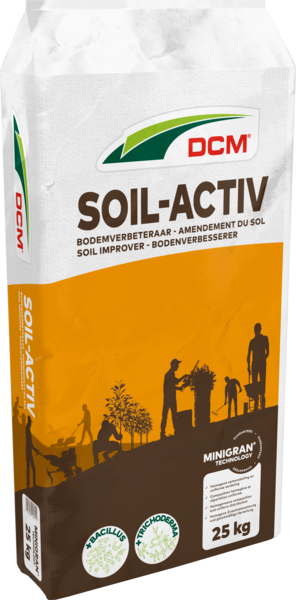
By adding the right soil improver, you nourish the soil life, which converts organic matter into stable humus. This results in:
improved water infiltration during rainfall
increased moisture retention during dry periods
a stronger, better-developed root system
This recovery process takes time. Depending on the initial situation and the weather conditions, soil typically recovers within one to two seasons. Once restored, nutrients can perform optimally, resulting in resilient plants that root more deeply and experience less stress.
Which soil improver should you choose for restoration?When faster results are needed
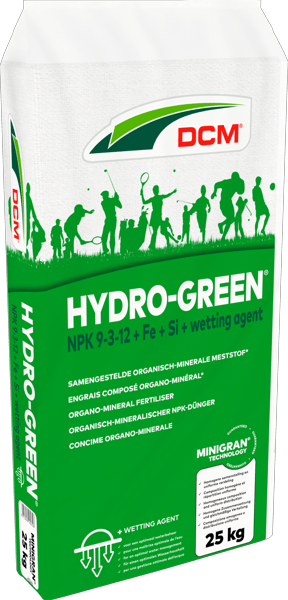
In projects where visible results are needed quickly, or for example on sports fields or professional turf, you can speed things up. By combining soil improvement with a solid fertiliser that includes an integrated wetting agent, you can significantly increase drought resistance.
Trials with DCM HYDRO-GREEN® show that water is distributed more quickly and evenly throughout the soil, allowing it to reach the roots more efficiently. The grass remains deep green for longer and shows less stress, even during prolonged drought. View the trial results here.
Water management on site: a practical step-by-step plan
Effective water management does not require complex techniques, but rather a well-thought-out approach:
Loosen compacted soil through decompaction or aeration
Focus strongly on soil improvement by incorporating organic matter
Match plant selection to the soil type
Create space for water with infiltration zones, wadis, and less pavement
Where needed, combine soil improvement with a fertiliser containing a wetting agent
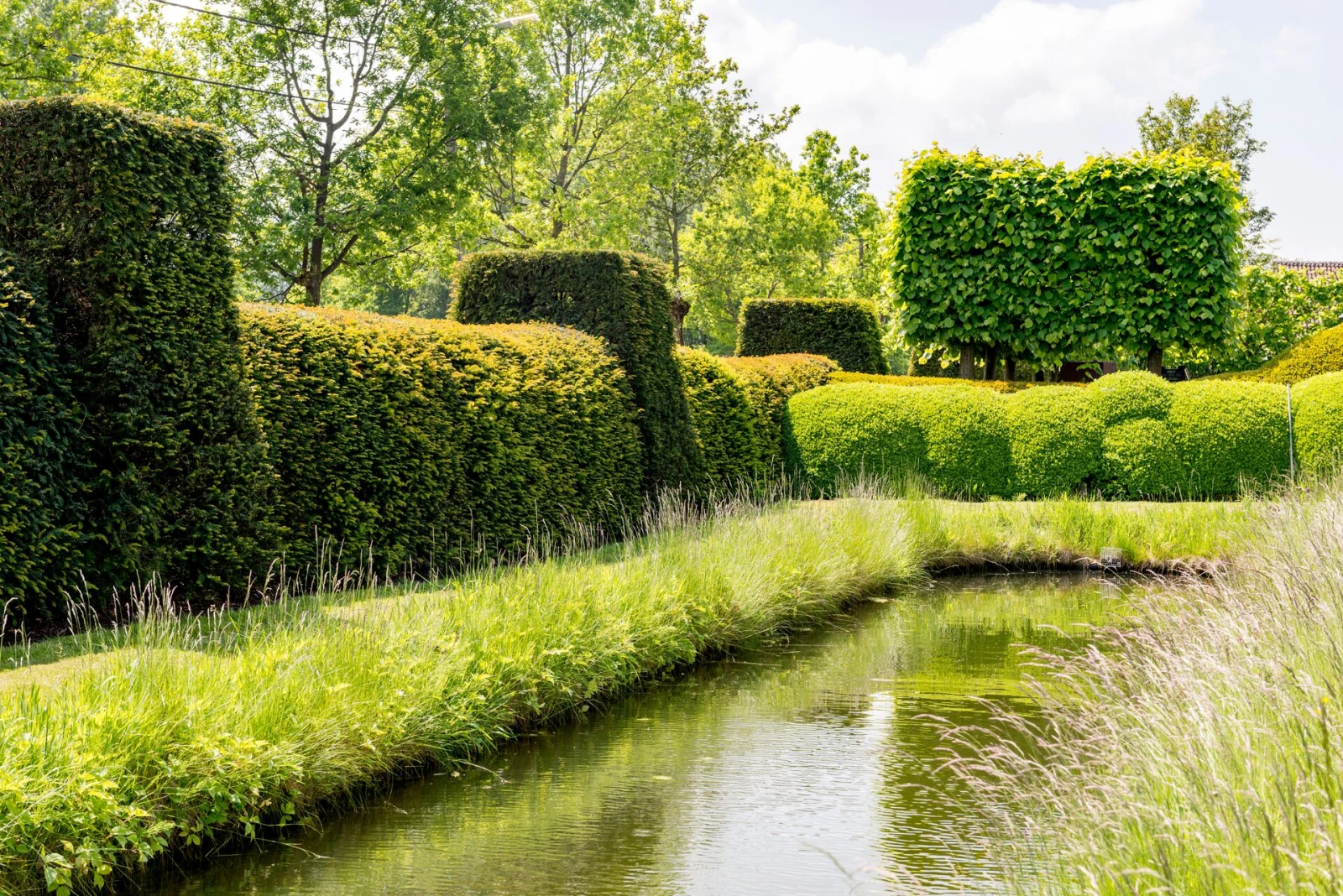
A garden that can withstand both wet and dry periods without difficulty is the result of thorough preparation and a well-planned soil improvement strategy. This not only enhances the quality of the final result—an attractive, resilient garden—but also strengthens your client’s trust. And as every professional knows: satisfied clients are the best advertisement.