Header image alt
Customer case

99,98% harvestable lettuce : this is how DCM helps Bert de Keyser achieve an almost perfect lettuce crop

About this client

Name

Bert de Keyser

Sector

Field vegetables

Location

Sint-Katelijne-Waver (Belgium)
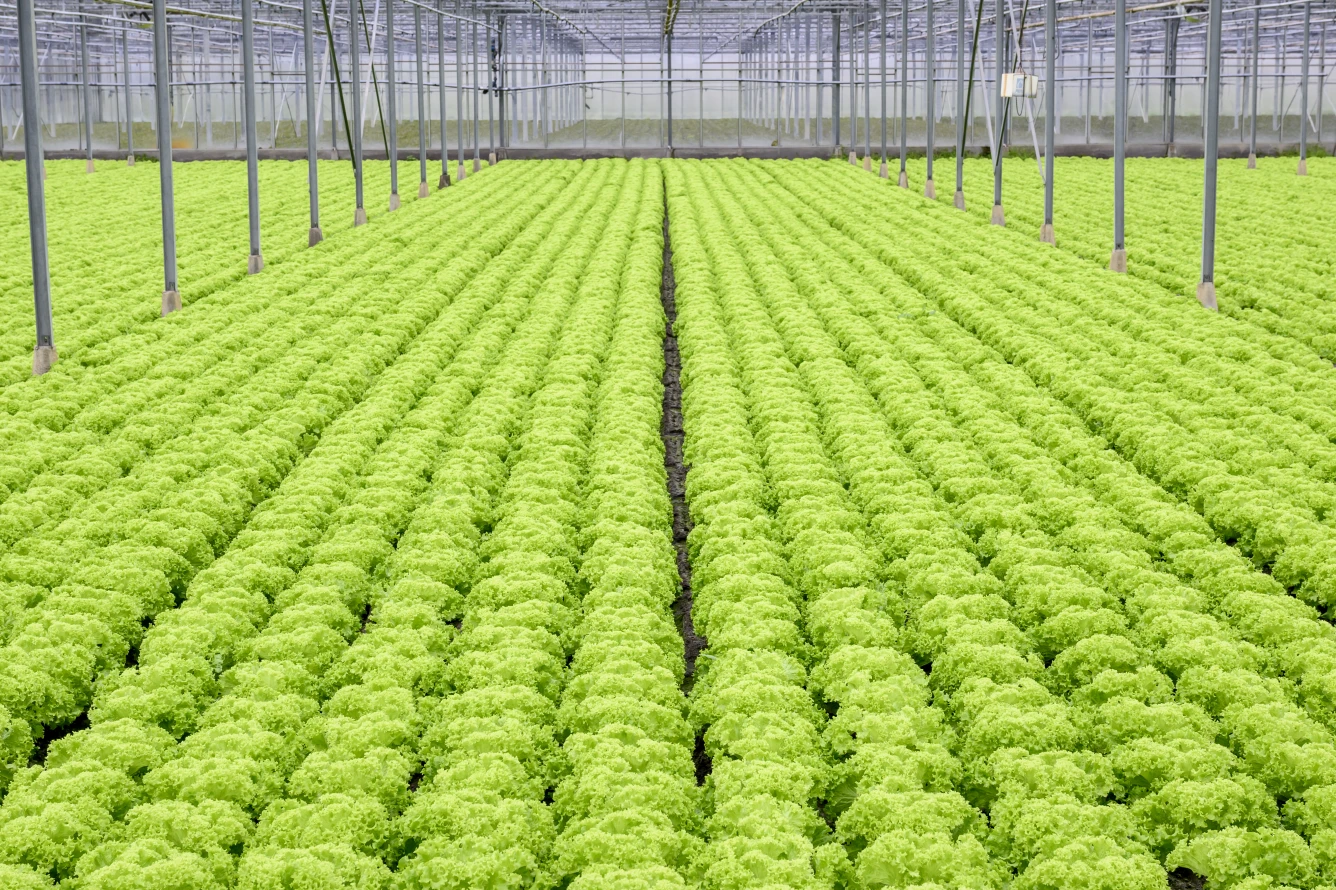
Are you looking for feedback on the use of REDU-ACT® in lettuce cultivation? In this customer testimonial, Bert de Keyser explains how targeted soil treatment has helped him virtually eliminate crop loss.

“The result is astonishing. I now see a harvest rate of 99.98%, and I hardly dare to say it, but it is close to perfection.”

– Bert de Keyser

Bert de Keyser and the challenge

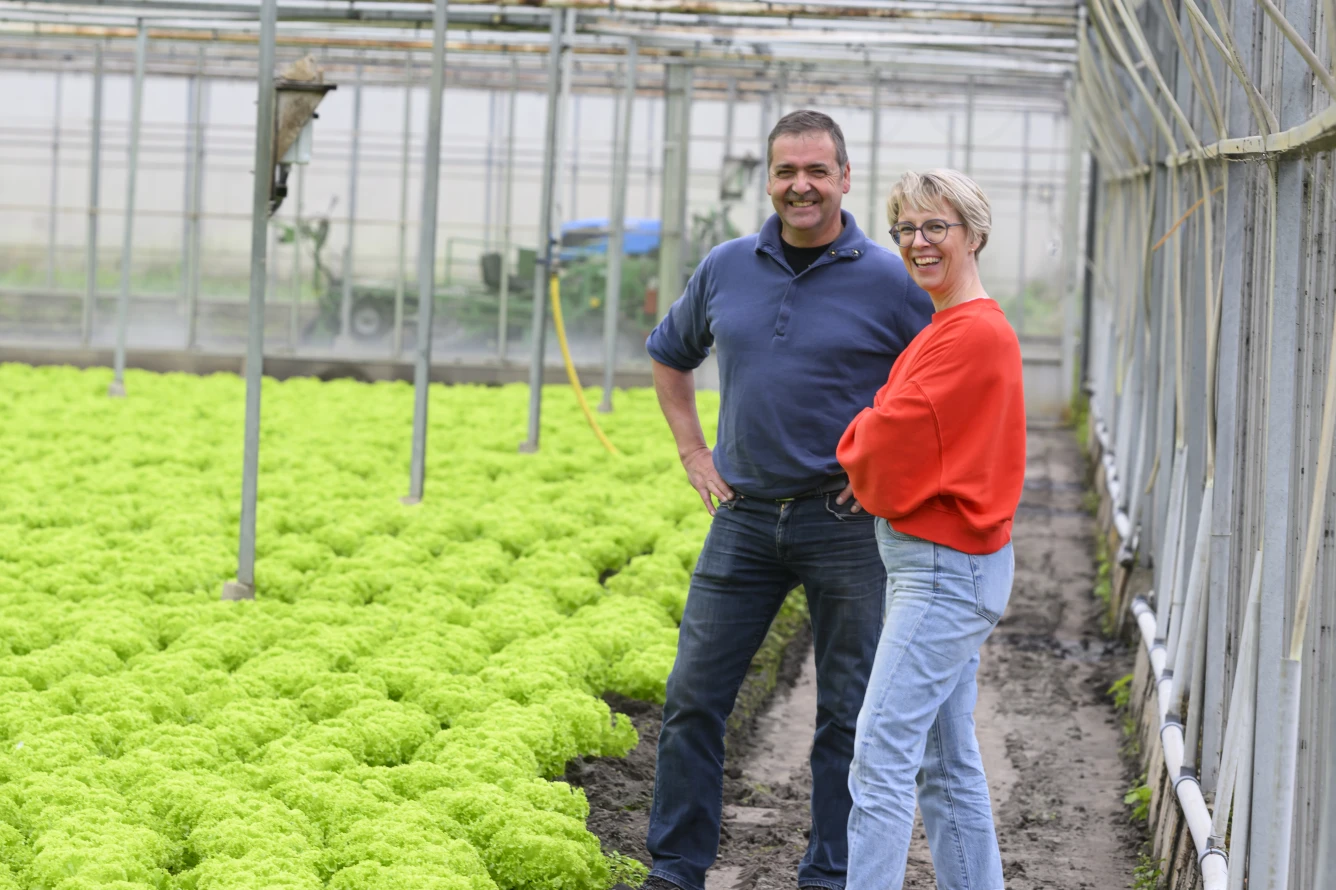
"I've been growing vegetables for 37 years now," Bert de Keyser begins. His company in Sint-Katelijne-Waver is intentionally kept small, but firmly focused on quality. Today, De Keyser operates roughly 6,500 m² of greenhouse facilities and about one and a half hectares of outdoor production. " Actually, our company is quite small, but we produce a wide range of products for the fresh market, with an emphasis on high‑quality vegetables rather than mass production. Our approach has always been that everything must meet the highest standards," he explains. "I always think out of the box: in the beginning we grew lettuce and tomatoes in the greenhouse, as well as cauliflower and leeks outdoors. In the meantime, we stopped producing tomatoes and switched to other lettuce varieties, and later also to crops such as parsnips, endives and radicchio."

Whether growing indoors or outdoors, one principle remains essential: "Many things are the same: you have to pay attention to the soil and make sure it’s in good condition. The foundation is always to start with healthy, high-quality soil to grow a strong, resilient plant." Bert is all the more aware of this now that more and more plant protection products can no longer be used. " It’s a bit of a puzzle and requires some careful thought. We want to avoid having to correct as much as possible. I prefer to start with strong plants in good soil to prevent problems in the first place."

However, in recent years, Bert has increasingly noticed unexplained differences in his lettuce greenhouse. "In certain spots the crop simply wasn’t growing well, the young lettuce plants lagged behind, and we couldn’t reach the minimum weight requireded for sale," Bert explains. "You tend to assume some problems will resolve themselves over time. But that turned out not to be the case, and then you realise that, after years of applying various products, small amounts of salt had gradually built up in the soil. Over time, that accumulation became significant enough that we had to take action."

-

Open communication with DCM

Bert initially chose to simply reduce the intensity of his cultivation. But when it became clear that this alone wouldn’t solve the problems, he decided to call in reinforcements: "On DCM’s advice, soil and plant samples were taken and recommendations were made regarding the use of soil improvers. That’s when I decided to go for a full package."

It was no coincidence that Bert ended up at DCM. "I've always had a connection with them. They have assisted me since the beginning of my career, especially when it comes to lettuce cultivation." What appeals to him most in the DCM approach? "I think it’s their professional attitude, their openness and their solution-oriented mindset. When they work with an integrated approach, all the components are aligned. That only brings advantages." Moreover, the open communication goes both ways. "I shared my entire schedule with DCM so that other growers can benefit from it as well. We may be competitors, but if you can help someone else with this kind of approach, you just do it."

-

No start-up problems

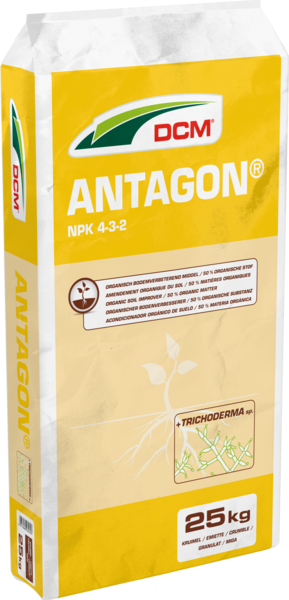
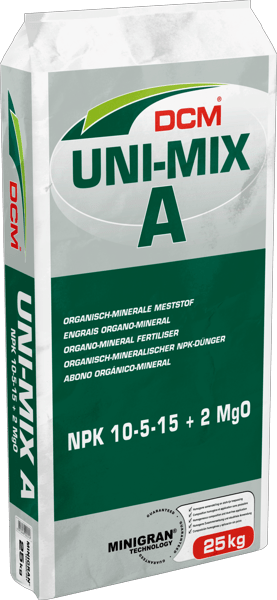
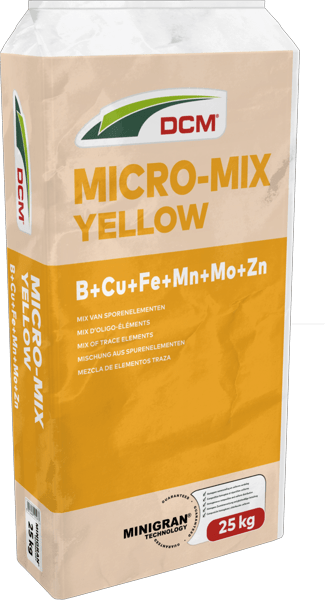
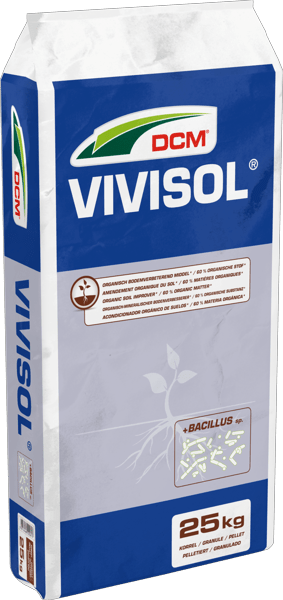
Bert deliberately chose to give his greenhouse a thorough reset. "In the summer, the greenhouse remained empty and we initially used REDU-ACT® to control the salt in the soil. At the same time, VIVISOL® with Bacillus bacteria was applied to promote more active soil life and improve soil structure, and ANTAGON® with Trichoderma fungi to stimulate the soil. These three products were used simultaneously. After that, UNI-MIX A was applied as the base fertiliser, with a small additional dose of trace elements using MICRO-MIX YELLOW.” There were no major start-up problems. "I had the timing right and a solid plan. We have applied everything, and now everything is running normally. We’re currently working on the first crop after using the various DCM products, and if any problems were to reappear in the crop, we now know exactly how to respond."
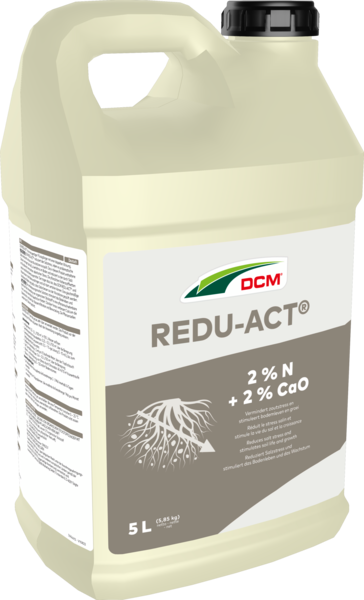
Bert also took a creative approach to the application method. "Normally, REDU-ACT® is applied through irrigation, but I came up with my own system, using a rinsed crop- protection sprayer: a robot that runs along the pipe rail and that we usually use to apply crop‑protection products. Because it provides a fine and accurate distribution, I filled it with REDU-ACT® and applied the correct dosage evenly across the greenhouse. Then I continued to rinse with water in order to evacuate the salt evenly."

-

Surprised inspectors thanks to DCM

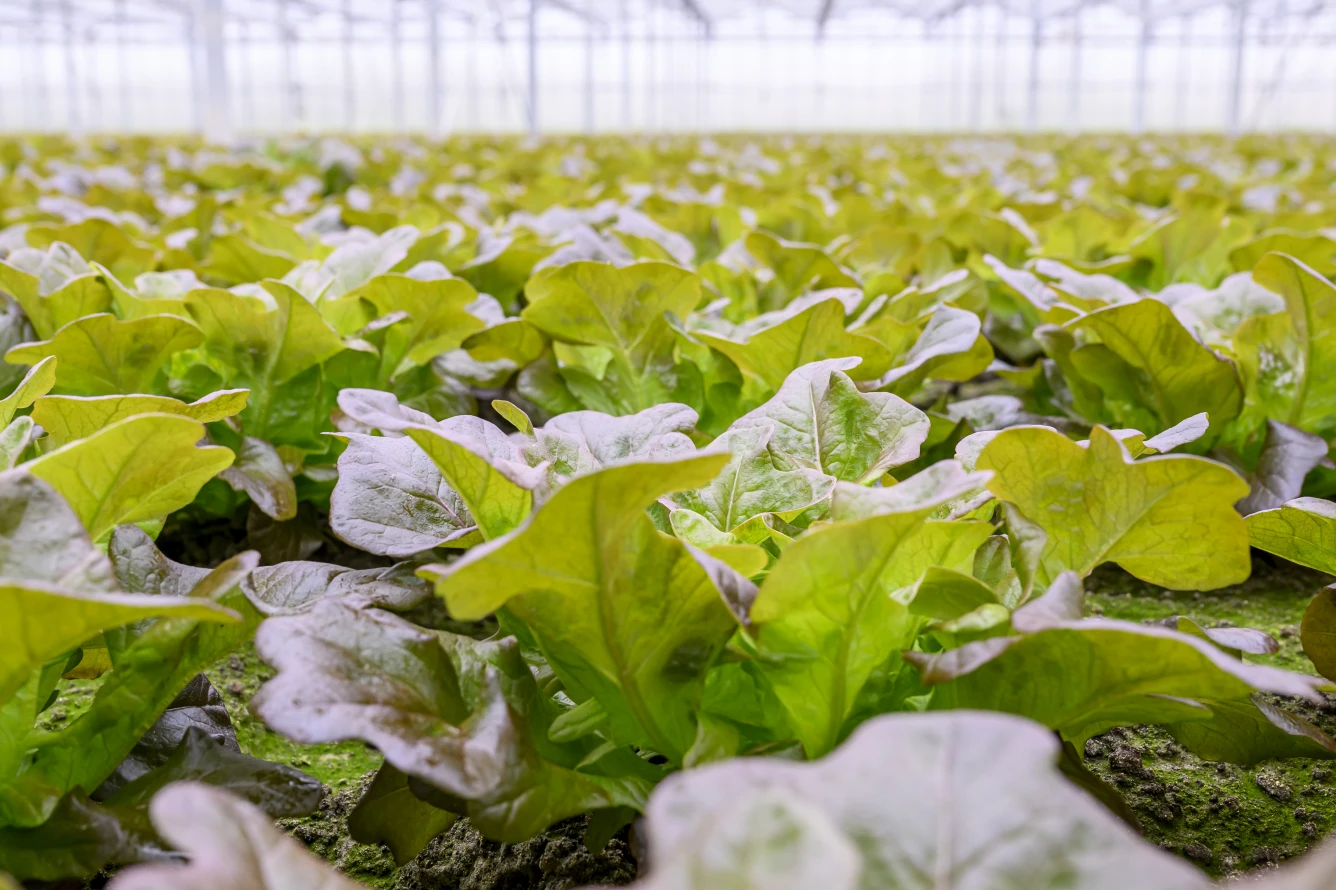
The impact of soil treatment on lettuce cultivation speaks for itself. "I think I'm seeing a harvest rate of 99.98% at the moment," Bert says. "I don’t think I’ve had to throw away a single head. On top of that, everything is growing incredibly uniformly" He illustrates this with a concrete example from his daily practice. "I deliver my vegetables to the BelOrta cooperative in Sint-Katelijne-Waver. They carry out spot checks by weighing six crates to estimate the weight of a batch. The inspectors found that all six crates had exactly the same weight, which is rare. It was probably a coincidence, but it does show how uniform the crop is."

And it's not just about weight. When asked whether colour, quality and leaf setting have improved, he laughs: "I hardly dare to say it, but actually it is perfect. The result is amazing." He also sees the approach as an investment in resilience in the longer term. "We need to move towards a situation where we take great care of our soil. By strengthening the soil’s growth potential through thoughtful soil improvement and efficient fertilisation, plants can become more resilient. In the end, that’s where you gain the most.”

Searching for solutions

Bert is clear about which colleagues might find this approach interesting. "I continue to hear many growers cultivating in soil under glass express concerns about the ever-increasing restrictions on the use of crop protection products. But don’t get stuck focusing on the negatives. There are solutions,” he emphasises. "Ask a professional for advice and put their advice into practice." He also sees risks in some 'quick' solutions. "I sometimes hear colleagues say they’re going to add compost to their greenhouse to increase the organic matter and humus content. Of course, this may seem logical. But you’re introducing an external product without knowing whether it contains fungal diseases or residual weed seeds. That’s quite a risk and you may have to correct it later." That is why Bert prefers controlled products. "That way, you can be confident in what you’re using," he says. "It’s about properly assessing the risks associated with the crop, those on which you can act and those over which you have no control. Some pests are harder to control, but if you start with a healthy, well‑balanced soil, you already have a solid foundation."

Products used

Would you like personalized product advice?

Fill out the contact form.

Contact