Header image alt

Château de Villandry opts for quality with DCM

About this client

Name

Château de Villandry

Sector

Amenity/Public Green

Location

Villandry (France)

"We grow a wide variety of crops in the castle gardens, and for each of them we find a suitable solution within the DCM range. If a problem arises, I know there will be a response—and a solution. That is very reassuring for me." – Anthony Coué, Head Gardener of Château de Villandry

1. A wide range of plant groups: Château de Villandry and the challenge.

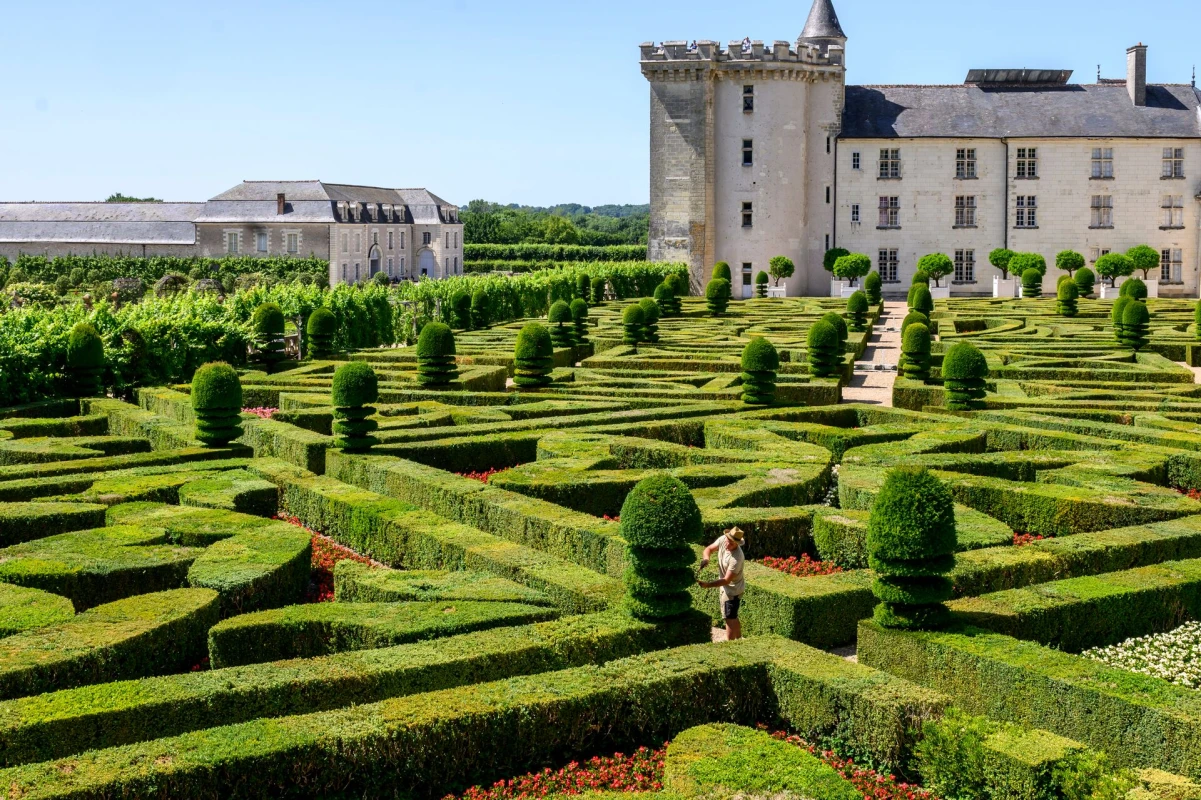
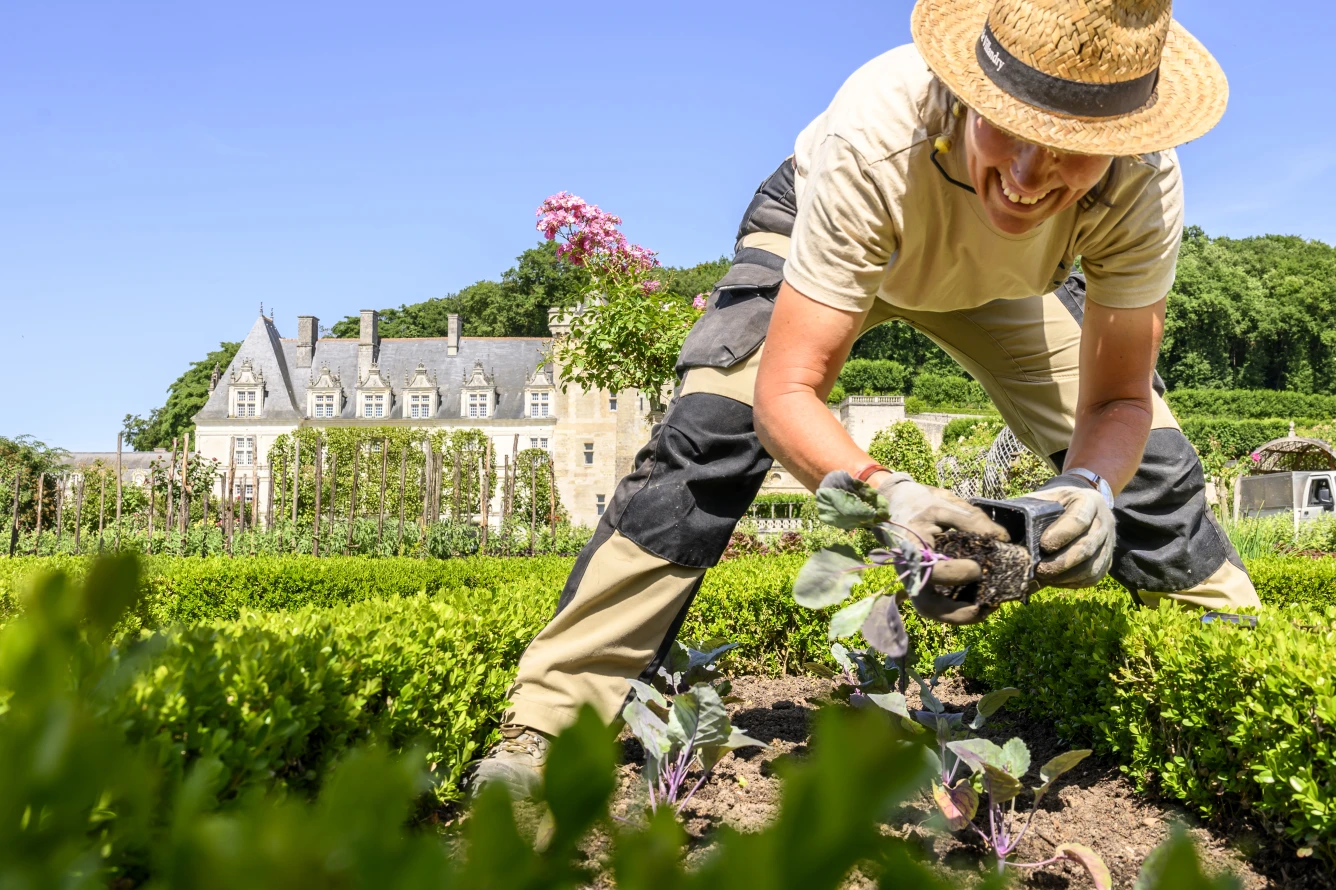
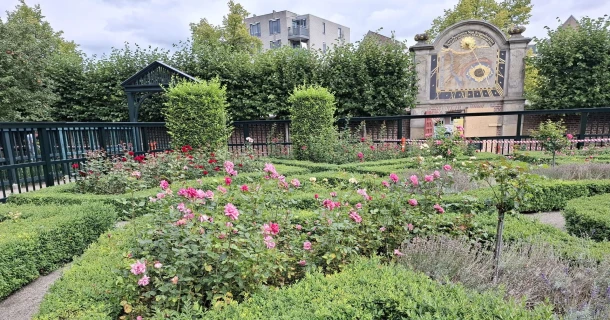
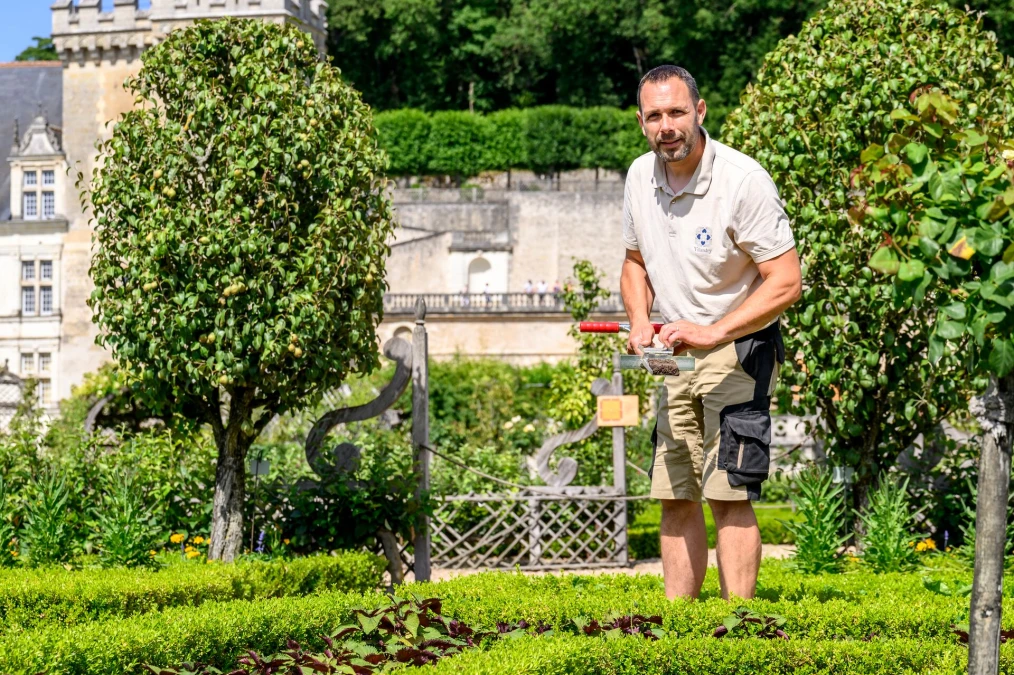
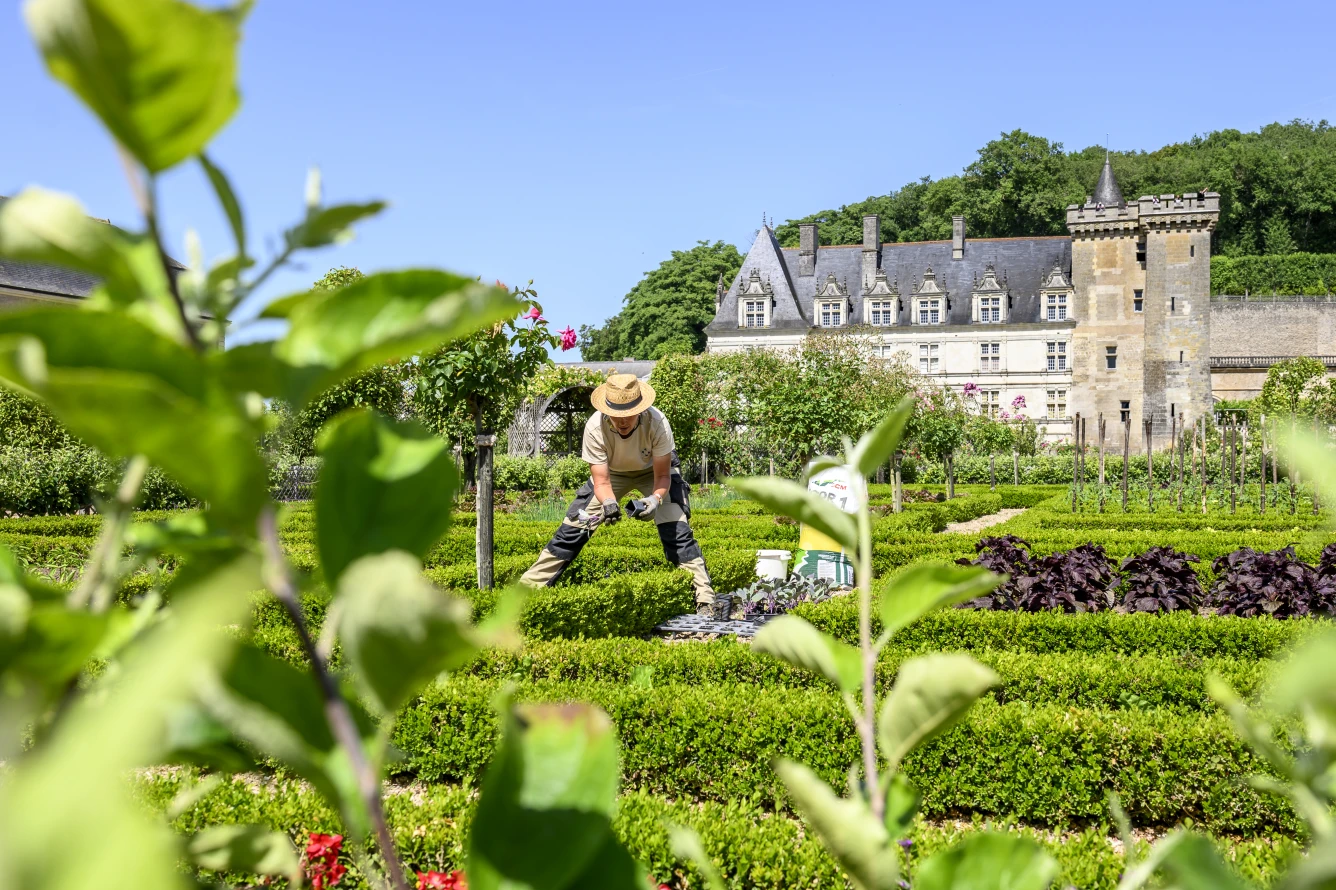
With around 370,000 visitors a year, Château de Villandry is one of the most renowned historic gardens in France and requires a consistently meticulous approach: the entire site must not only be horticulturally sound but also visually perfect for visitors. This calls for a well-thought-out fertilisation strategy across a highly diverse range of plant categories, covering a total of 7 hectares—from vegetable gardens and boxwood beds to roses, lawns, and fruit trees. The gardens of Château de Villandry are therefore not limited to a single crop or maintenance objective; they form a complex historic ensemble, made up of multiple functions and plant groups. Anthony Coué knows this domain inside out: "I have been working at the Château for over 20 years. I was trained here; starting as an apprentice. After that, I successively became gardener, garden supervisor, team leader and utimately head gardener."

-

"For us, it is all about achieving a really good result. That is why we place strong emphasis on the well-being of the plant; we make sure each plant is in the right location, with the appropriate exposure to sun or shade, and then adjust nutrition, fertilisers, and soil conditions accordingly." Plants must indeed develop properly, evenly, and at the right pace in order to maintain their aesthetic appeal throughout the entire visitor season, in a setting where every detail is visible. This approach is based on regular monitoring and continuous adjustment. “Each year, we fine-tune our fertilisation plan, both for the vegetable crops and the lawns.” Yet even within that framework, flexibility remains essential: “Sometimes we plan to apply a specific fertiliser, but depending on weather conditions or other factors, we may need to adjust our initial plan. It really is a matter of fine-tuning throughout the entire year. In addition, soil analyses are carried out every two to three years to monitor changes in soil conditions and determine what can still be improved."

2. A comprehensive approach: why does Château de Villandry choose DCM.

The choice of DCM is closely linked to a broader strategic decision taken by the domain. As Coué explains, sustainability plays a key role: "For example, we operate a closed-loop irrigation system. Water flows through the waterfalls from the upper terrace to the moat, from where it is pumped back up to the pond. Combined with the rainwater we collect at various locations within the castle walls, this system allows us to do without using mains water." In 2008, Château de Villandry made a complete transition to organic practices. According to Coué, this decision was forward-looking: "It was a decision made by the owner and the former head gardener. They wanted to stay ahead, knowing that restrictions on chemical products would become stricter and make traditional methods increasingly difficult to apply."

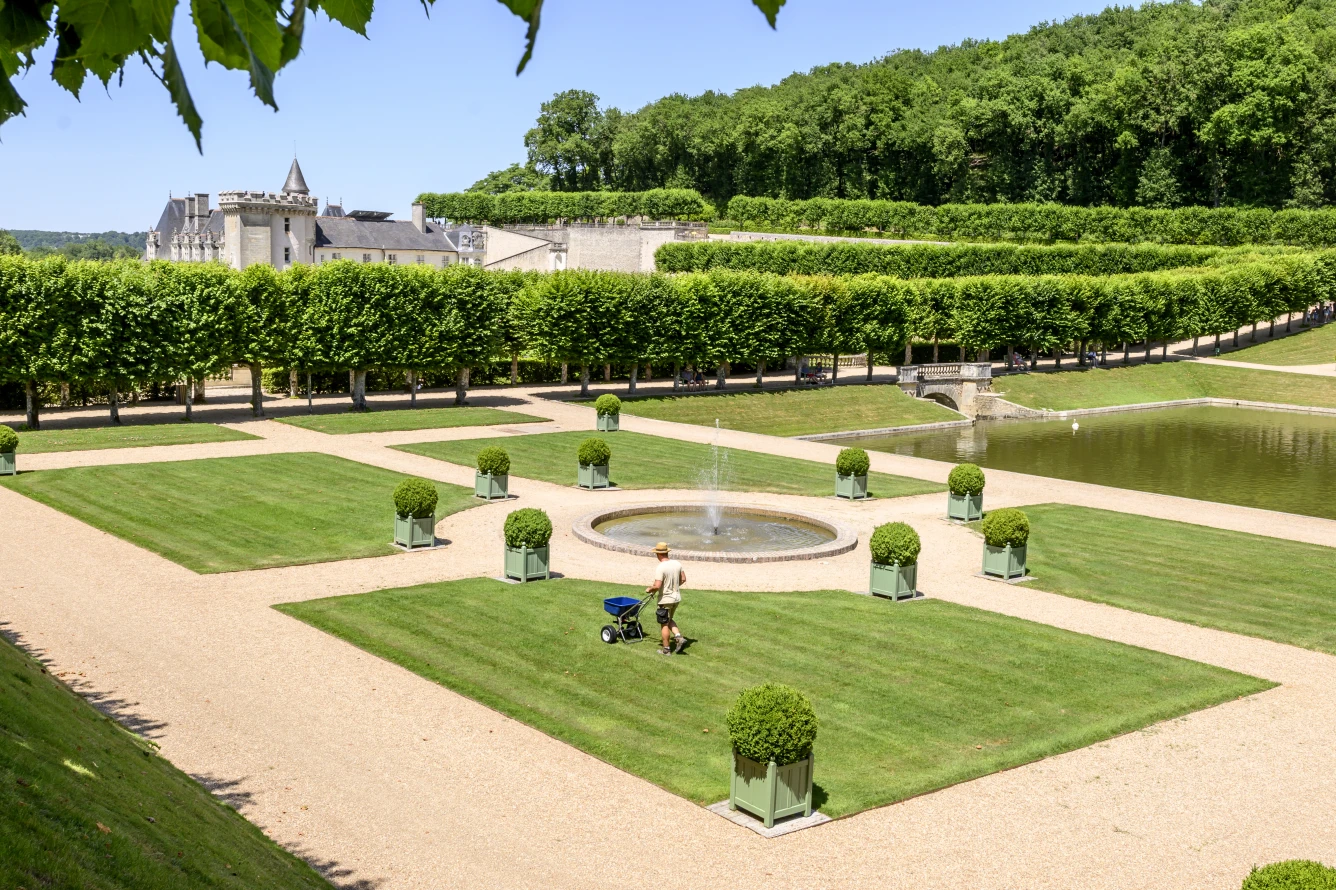
At the same time, 18 years ago, Château de Villandry also made a full switch to DCM. According to Coué, the decisive factor was that DCM offered not a partial solution, but a fully organic approach suited to a wide range of gardening practices: "In the gardens of Château de Villandry we grow vegetables, perennials, annuals, bulbs, shrubs, trees, and even fruit trees. We also maintain lawns, both ornamental and sports turf. And for each of these areas, we find exactly what we need within the DCM range." Ease of use is another key advantage. Coué emphasises that the MINIGRAN® products in particular make a real difference in day-to-day work: "These granules ensure an even distribution and are easy to apply."
3. Consultation and training: the experience with DCM.

Coué describes the collaboration not as a traditional supplier-client relationship, but rather as a ongoing exchange: "We are in constant contact with DCM and with our distributor. I present the crops we plan to grow and the planting periods, and together we develop a fertilisation programme tailored to the soil and climate conditions." These exchanges begin even before the season starts and continue throughout the year. “At the end of the year, we review what went well, what worked less well, and what can still be improved.”

Another recurring theme is the advantage of having a single, long-term partner. "That is certainly a major advantage. It means we have just one point of contact." He immediately explains why this is essential: "When DCM visits regularly, we can carry out an overall inspection and see how everything is progressing. This allows for better follow-up." This continuity is also important for the team, which now consists of no fewer than ten gardeners and two apprentices. " For quite some time now, DCM has been offering us annual training; we take a full day to meet with the entire team, review the past season, and go over the products and new developments." As a result, Coué concludes, "everyone continues to develop their skills step by step."

-

4. Stability and trust: results with DCM.

The strength of this collaboration lies above all in its consistency. Year after year, Château de Villandry uses between 7 and 8 tons of DCM fertilisers. The fact that no products from other suppliers are used makes it possible to adopt a single, coherent approach across the entire estate, rather than relying on separate products or ad hoc solutions for each crop category and specific need. This approach results in a stable level of quality throughout the domain.

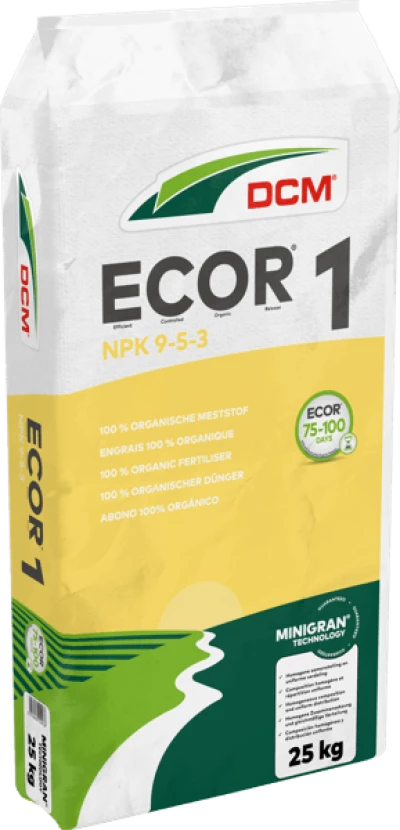
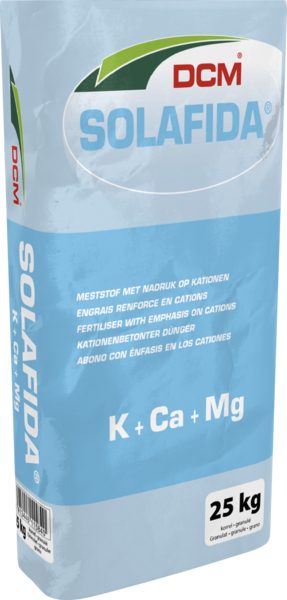
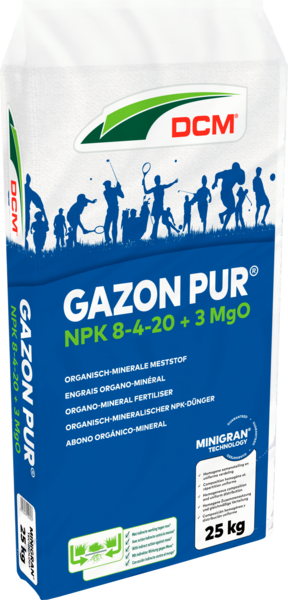
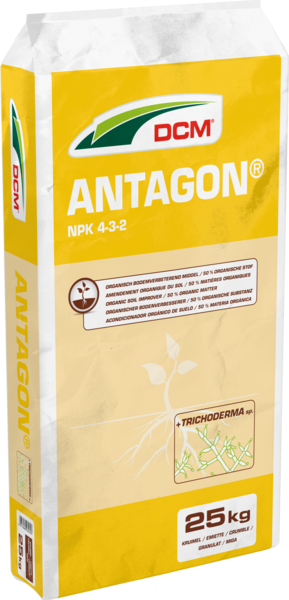
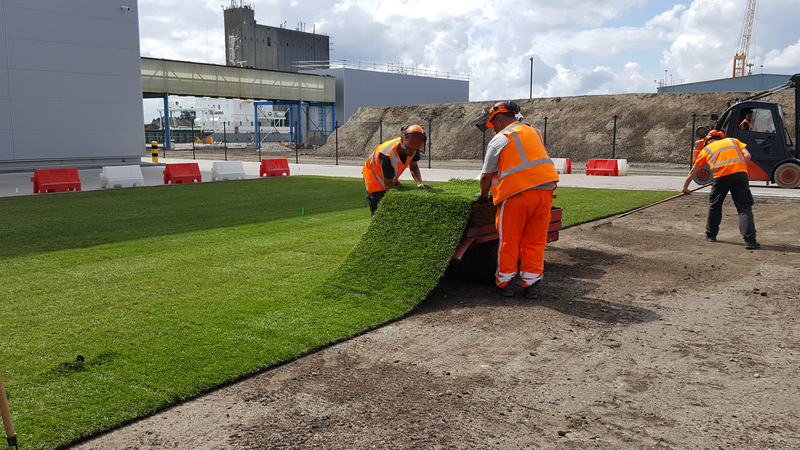
In a historic garden, success is not measured in kilos harvested or yield figures. Consistency, aesthetic quality and a sense of calm within the organisation are at least equally important. For the lawns, this is reflected in a fertilisation plan that truly adapts to seasonal conditions: "If it is very hot and watering needs to be intensified, or conversely if there is heavy rainfall, leaching increases. In that case, we try to adjust lawn fertilisation accordingly," explains Coué. For the boxwood plants, this approach results in stronger plants with greater overall resilience, thanks to improved nutrient uptake. The focus is on supporting the plant, notably with ECOR® 1, often complemented by SOLAFIDA® in the autumn.

Ultimately, the most important result remains trust: “If a problem arises, I know there will be a response – and a solution. That is very reassuring for me.”

5. Taking preventive action: recommendations and advice from Château de Villandry.

Anthony Coué's advice is clear: start with the soil when planning your crops, reassess each season, and involve the entire team in the chosen approach. A fertilisation plan works best when it not only works on paper but is also understood by everyone and applied consistently in practice. When asked whether he would recommend DCM, Coué leaves little room for doubt. "It is a great advantage to have a single supplier for all our crops and challenges. DCM DCM offers a very broad product range and meets all our requirements. As long as everything continues to run this well, we have absolutely no reason to change suppliers."

-

Products used

Would you like personalized product advice?

Fill out the contact form.

Contact