Header image alt
Customer case

Groupe Olivier prevents production losses caused by PepMV thanks to DCM PMV-01

About this client

Name

Groupe Olivier

Sector

Greenhouse horticulture

Location

Haute-Goulaine and Saint-Julien-de-Concelles (France)

Searching for a strcutural solution: Groupe Olivier and the challenge

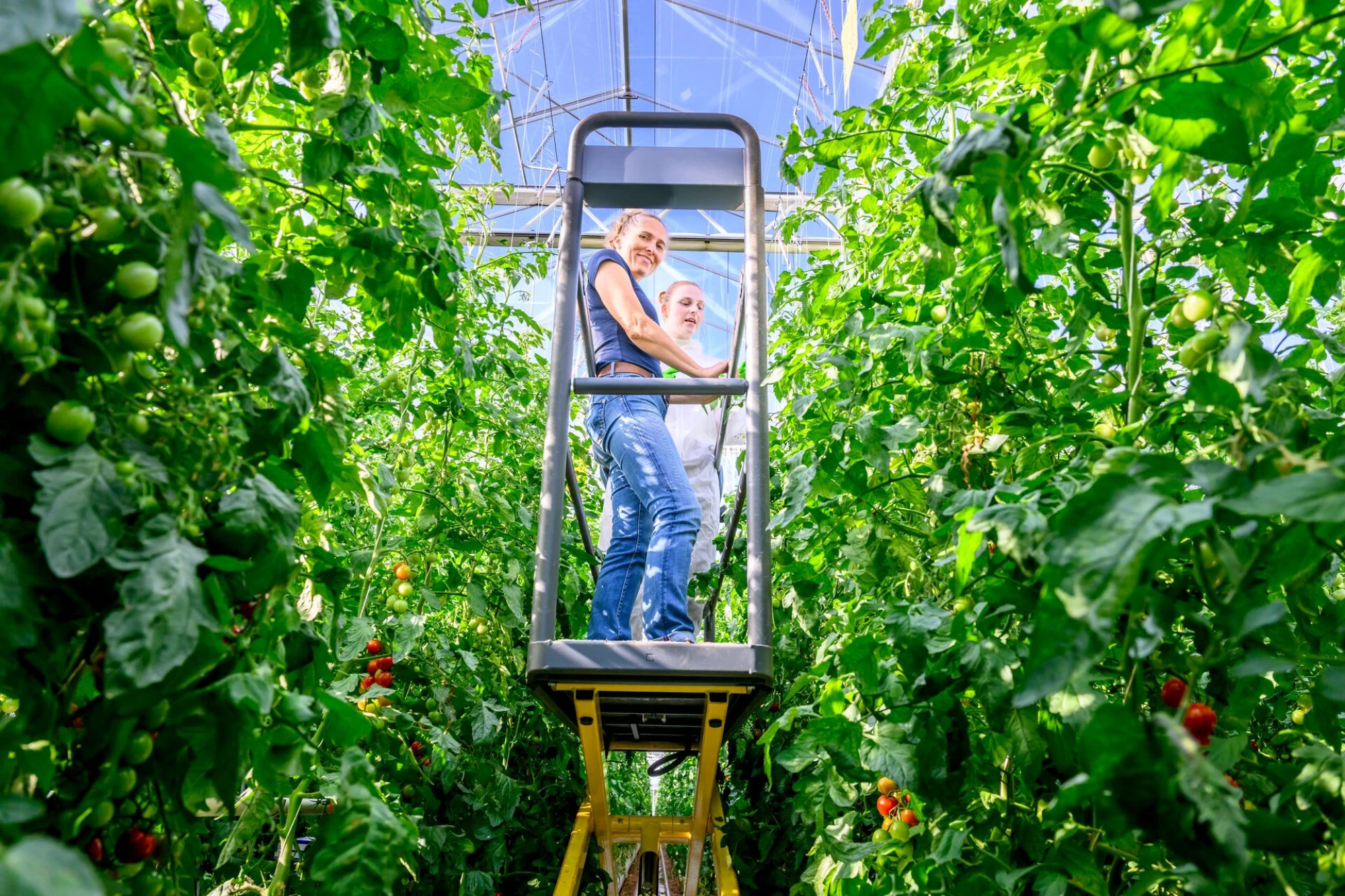
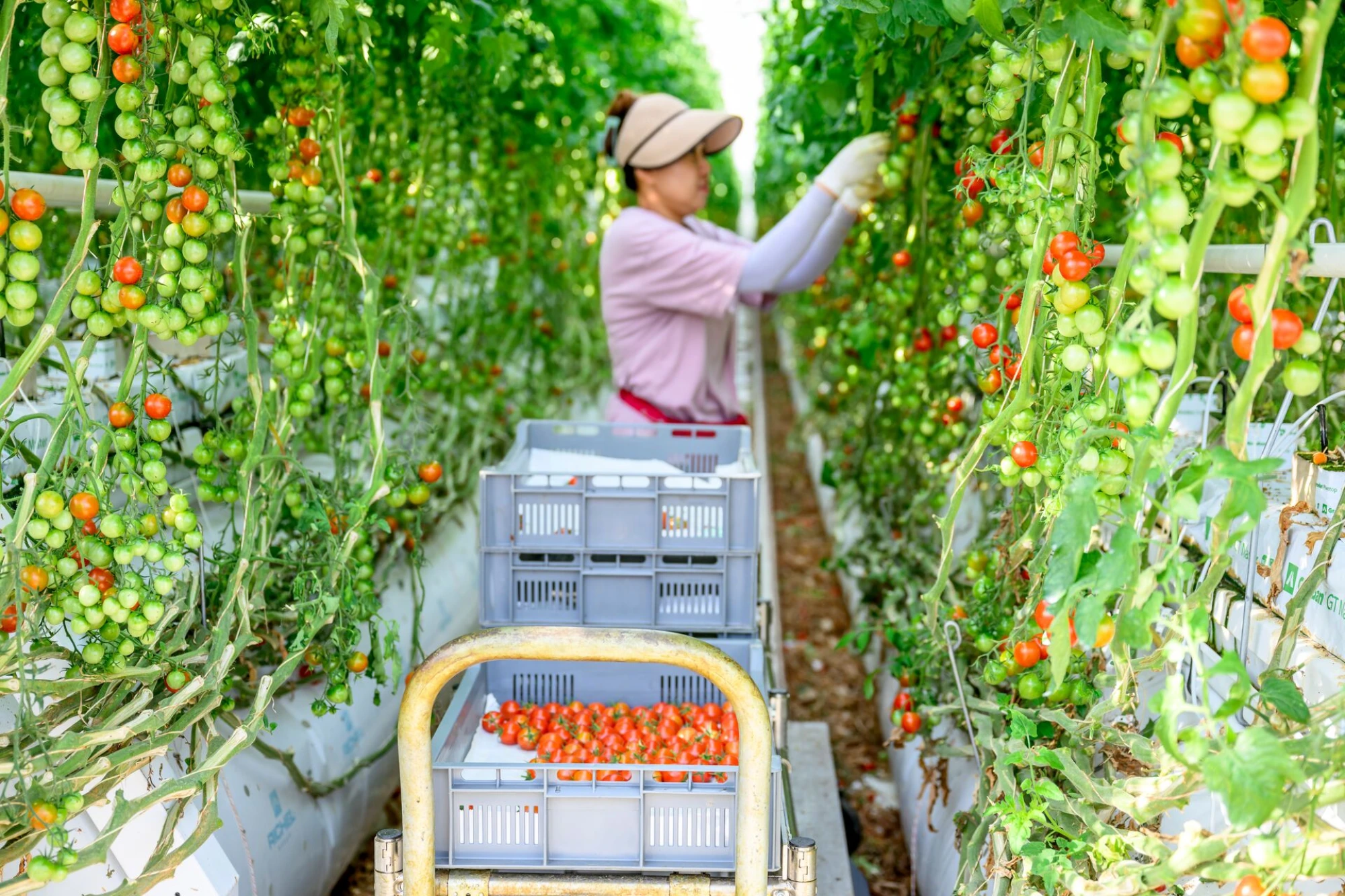
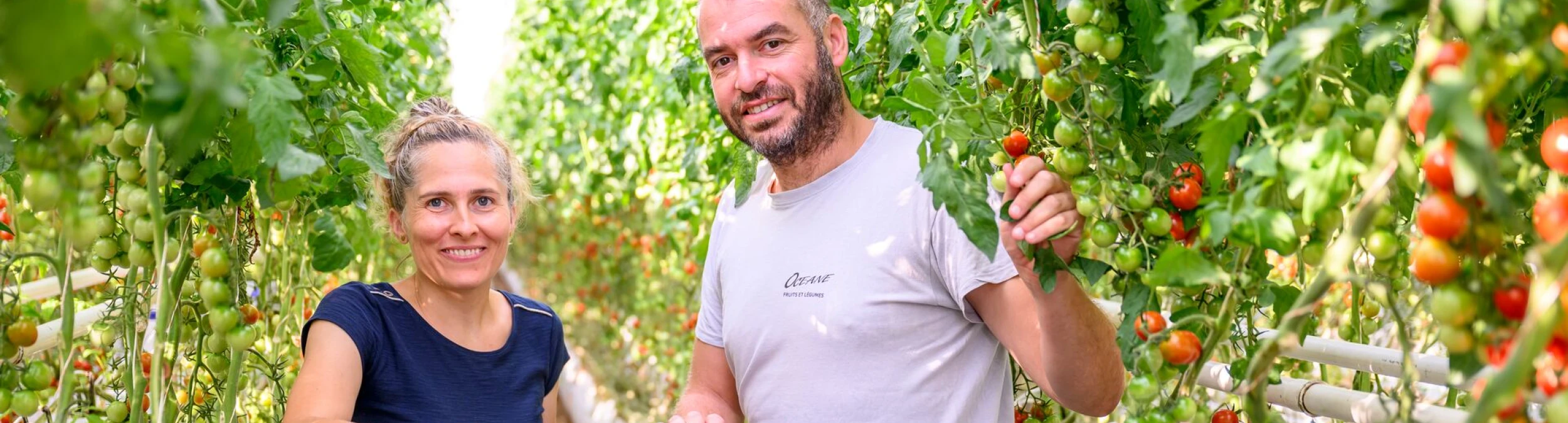
Groupe Olivier is a family business with two production sites in the Nantes region: Haute-Goulaine and Saint-Julien-de-Concelles. Together, these sites cover 18 hectares of greenhouses, of which approximately 13 hectares are currently dedicated to tomato production. The remaining area is used for cucumbers and peppers. Cécile Sarcher helps lead the company and combines that role with her responsibility for quality, plant health, conditioning, and packaging. "Together with my brother and uncle, I am a shareholder in the company. I joined the business in 2015 as Quality Manager, and I still hold that position today."

“Vaccination is essential for us. It is a preventive measure, designed to get the season off to a good start.”

– Cécile Sarcher, Partner and Quality Manager at Groupe Olivier

All of Groupe Olivier’s produce is marketed through the Océane cooperative, also based in Nantes and with more than thirty years of experience in fruit and vegetable marketing. Groupe Olivier grows and packs all of its products itself, while Océane manages the commercial side, primarily serving wholesalers, hypermarkets and supermarkets. As a result, food safety requirements and the need for consistent, sustainable production are firmly embedded in the company's daily operations. “Nowadays, GlobalG.A.P. certification is absolutely essential. It is the most important requirement within the supply chain.”

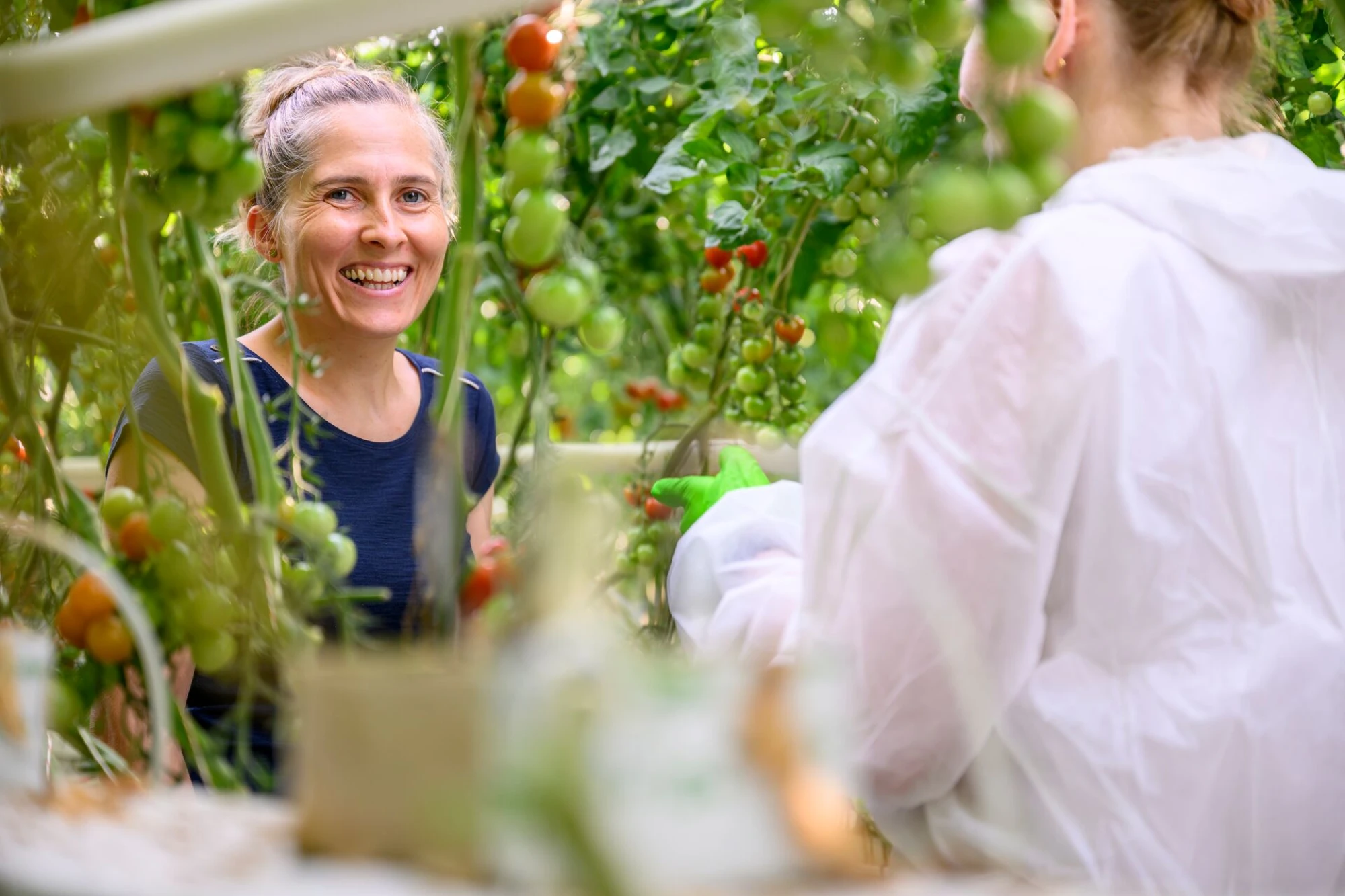
Against that backdrop, the Pepino mosaic virus (PepMV) poses a risk that the company does not wish to leave to chance. Symptoms caused by this highly contagious virus initially appeared in just one greenhouse, but infection pressure increased rapidly. “Our tomatoes were severely affected by Pepino. The first symptoms appeared in 2011 and, before we knew it, the virus had spread throughout all of our greenhouses. We suffered significant yield losses and product quality declined considerably. This resulted in much more sorting work and substantially higher levels of waste.” Hygiene measures such as wearing gloves and protective clothing and disinfecting tools remained necessary, but they did not provide a long-term solution to the impact of the virus.

-

A precise protocol: why Groupe Olivier chooses DCM

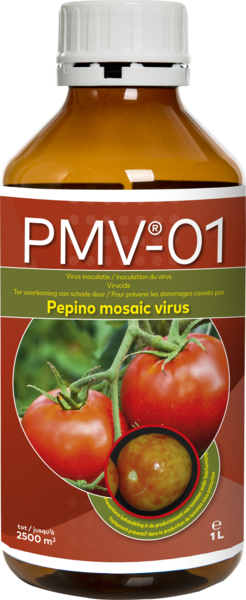
When PMV®-01 became available, Groupe Olivier was among the first growers in the region to test the vaccine. The connection with DCM came through the growers' association Fédération des Maraîchers Nantais and the CDDM (Comité Départemental de Développement Maraîcher), the technical centre that connects growers with suppliers and coordinates trials. For Cécile, DCM's structured approach was a key deciding factor. “They came up with a very precise protocol. First, the young plants had to be tested to determine whether they were already infected with PepMV. Once it was confirmed that the planting material was virus-free, we could proceed with the vaccination.” This protocol inspired confidence at a time when the sector was in urgent need of a practical solution. “We really had no other option for tackling this problem, so for us it was a logical choice. It's just like with humans: when aggressive viruses emerge, we develop vaccines to protect ourselves. We can do the same for plants.”

A key principle is that vaccination is only effective when applied consistently. At Groupe Olivier, the decision is therefore not made on a greenhouse-by-greenhouse basis. Instead, all tomato greenhouses are vaccinated without exception. Cécile explains: “For us, vaccination is an all-or-nothing approach: either the entire business is vaccinated, or none of it is. We cannot treat only part of the crop because the risk of an outbreak would still remain.”

An embedded approach: the experience with DCM

The collaboration with DCM has since evolved into a well-established working method. Each September or October, crop planning, cultivation areas and variety selections are discussed so that the required quantity of vaccine can be scheduled well in advance. Although the dosage remains the same, this information is still highly relevant for DCM, as different varieties may respond differently to the vaccine. The timing of the treatment is also coordinated with the planting schedule. “We often receive the vaccine a week before planting, so we can start immediately once the young plants arrive.” Today, the plants are checked in advance to ensure they are virus-free. This testing is carried out directly at the young plant producer's facility in order to avoid unnecessary phytosanitary risks. Afterwards, DCM visits the operation to verify that everything has proceeded correctly. This combination of planning, monitoring and technical support makes the vaccine more than just a product for Groupe Olivier. It has become a fully integrated part of their production system.

Starting point of a strong plant: results with DCM

The first experience with PMV-01 immediately delivered clear results. At Groupe Olivier, the entire tomato acreage was vaccinated at once, and the impact became visible in the following growing season. “We no longer detected any Pepino at all, so it was obvious that we would continue with this strategy.”

For Cécile, this result fits into a broader vision of integrated and resilient crop production. PepMV prevention is not a standalone measure. It is the first step in a crop protection strategy designed to give plants the strongest possible start to the season. “For us, vaccination is an integral part of our crop protection strategy. The very first step we take is to vaccinate the plants. It is a preventive measure, designed to get the season off to a good start.” Groupe Olivier applies the same preventive logic to other greenhouse risks. Yellow sticky traps, pheromones and beneficial organisms are deployed before a problem has the chance to escalate. “Once a problem is already present, whether it is a virus, disease or pest, it is always more difficult to eradicate than it would have been to prevent it in the first place. We also introduce beneficial insects as a standard practice, even before anything has been detected. They are essential; it's exactly the same principle as with the vaccine.”

For Groupe Olivier, the added value of working with DCM extends beyond the effectiveness of PMV-01. The technical support that follows is equally important. Cécile describes the relationship as close and practical. “We work very closely together; in fact, it is a true partnership. We meet several times a year.” This close collaboration becomes especially valuable whenever questions arise after vaccination. “As soon as we notice a plant that looks a little unusual after vaccination, we send them photos. It is a continuous exchange, and we always receive an immediate response.”

Taking preventive action: Groupe Olivier’s recommendation and advice

Cécile would clearly recommend PMV-01 vaccination to other tomato growers facing PMV-01. Not as a measure that disrupts standard cultivation practices, but rather as a practical and achievable solution that fits seamlessly into existing production systems. “It is a solution that is easy to implement. You do not need any special equipment or specific skills.” Her main advice is therefore straightforward: do not wait until PepMV causes visible damage, but build prevention into your strategy from the very beginning. “You get results: higher yields because you no longer suffer losses caused by this virus.” For Groupe Olivier, PMV-01 has meanwhile become a key pillar of its tomato production programme: a preventive form of protection that supports plant health and fits perfectly within an integrated crop management approach.

Would you like personalized product advice?

Fill out the contact form.

Contact