Field-grown vegetables, ornamental plants, chrysanthemums, packaging materials and much more: Beekenkamp Group is active in a wide range of markets. The family-owned company has been in business for 70 years and employs around 2,900 people worldwide. Its headquarters are located in Maasdijk, but the company is also active in France, Ethiopia, Uganda, Kenya, Colombia and the United States. An impressive list to be proud of.
Data-driven growing
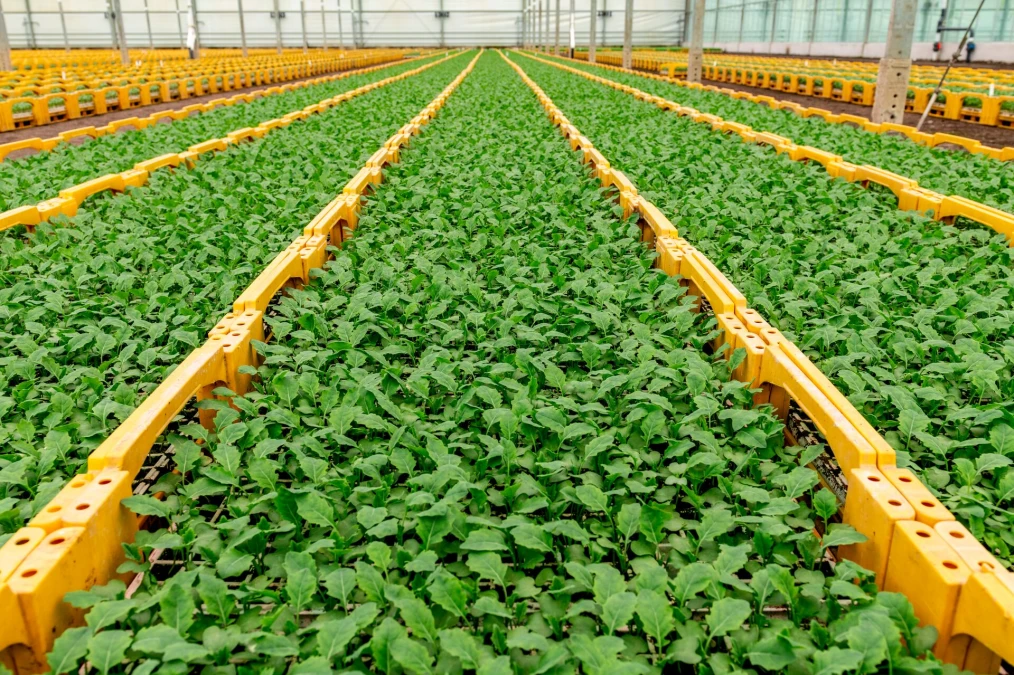
As cultivation coordinator, Dimitri Oosterwijk ensures that the quality of Beekenkamp Group’s field-grown vegetables remains optimal at all times. Various types of cabbage, as well as lettuce, celeriac, leeks and herbs, are grown under his supervision. "We make maximum use of data-driven growing to gain a clear picture of any potential issues and take action quickly when necessary,” he explains. The sector faces numerous challenges, and Dimitri encounters them every day. “More and more crop protection products are disappearing from the market, so prevention is becoming increasingly important compared with curative measures. We also need to look for cultivation methods that use less energy, have a lower environmental impact and remain affordable. On top of that, climate change and rapidly changing government policies mean we have to adapt almost constantly.” It is certainly no easy task, but with the right partnerships, it works surprisingly well.
The ideal balance
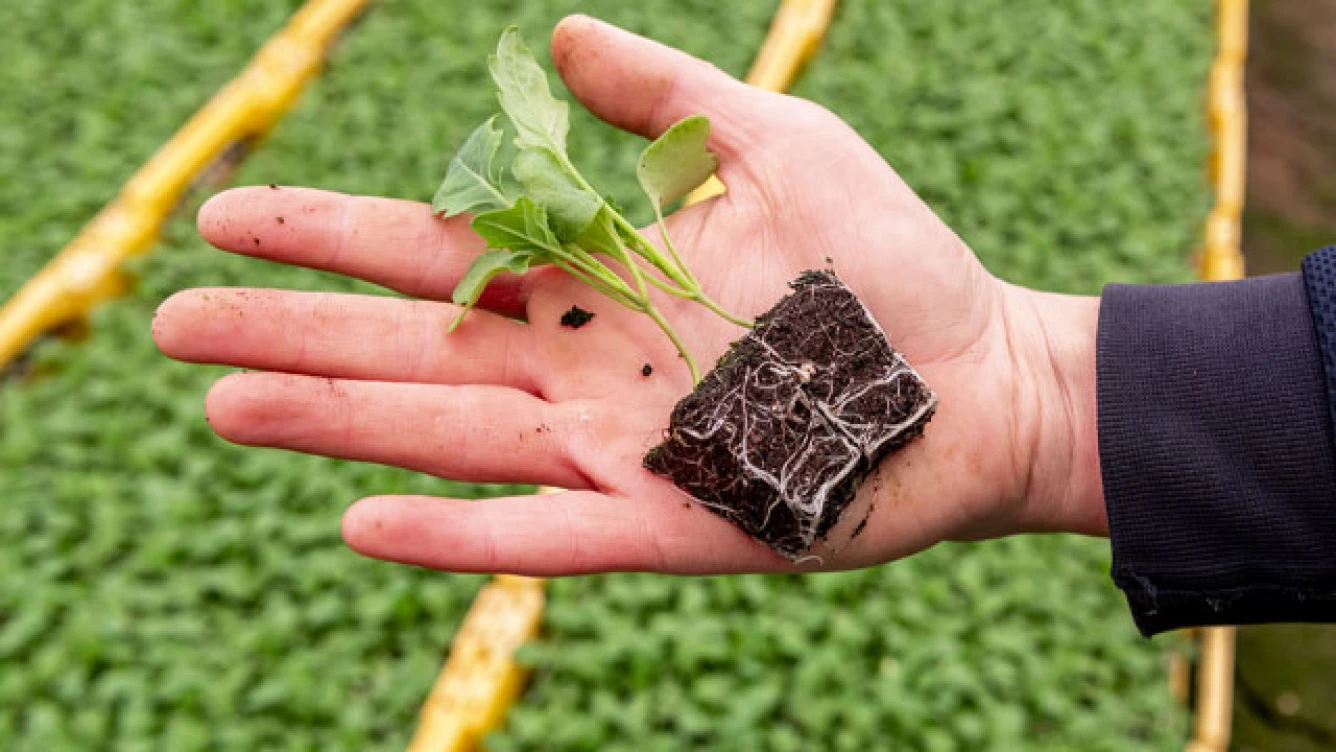
Dimitri focuses on strengthening plants, with particular attention to their resilience to stress factors. His approach starts with a strong foundation: the soil. The company works with pressed plugs, soil blocks and loose-filled trays. Peat, compost, wood fibre and sand are the main components, but the right combination of different fertilisers also plays an important role. "Together with Kekkilä-BVB and DCM, we are working towards a soil full of life with good resilience that can provide plants with sufficient nutrients at the right time. The balance between all the components needs to be right: bacteria, fungi, water and oxygen, as well as crop protection and fertilisers.”