Causes & consequences
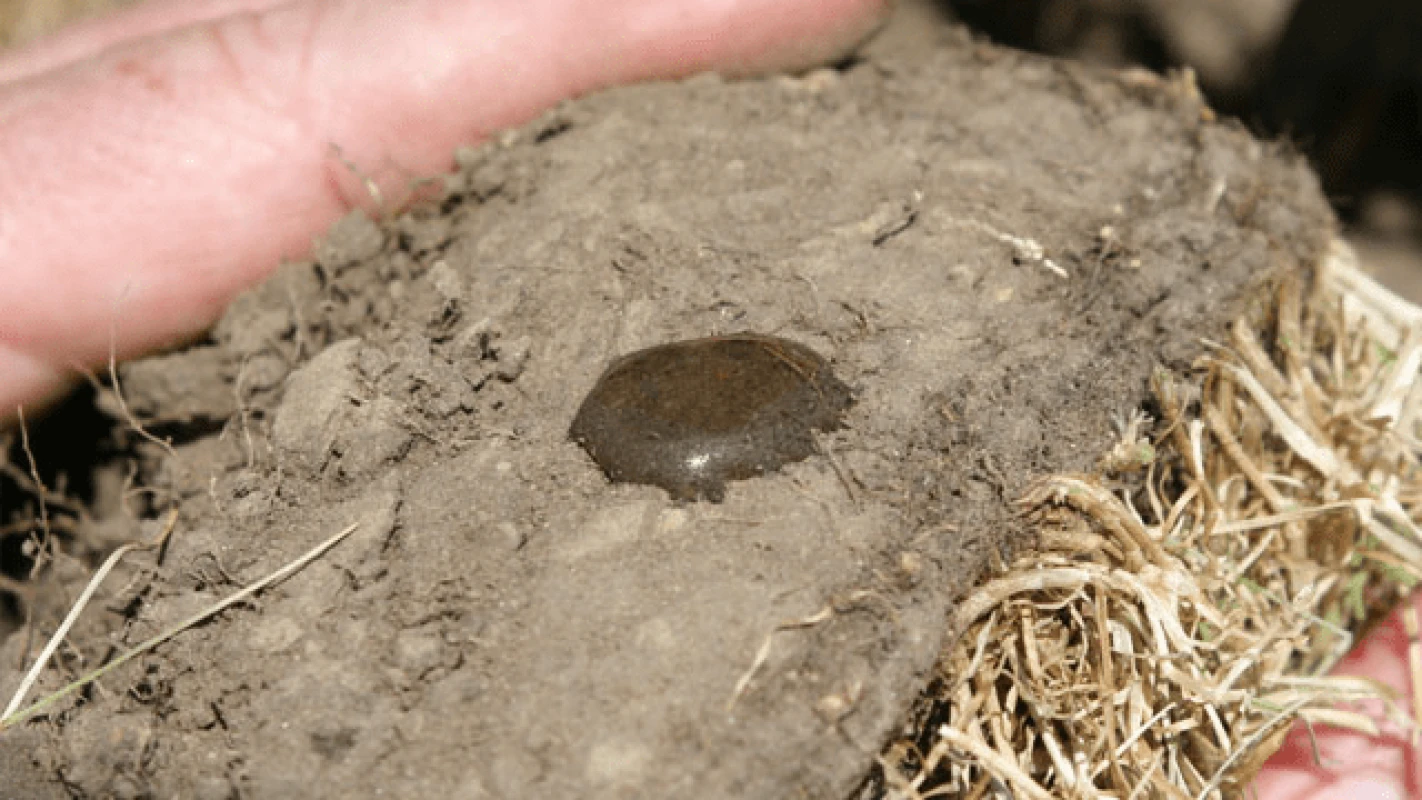
In a water-repellent (hydrophobic) soil, water penetrates the surface layer poorly and is distributed unevenly throughout the soil profile. This is caused by water-repellent substances (fungal hyphae, exudates from microorganisms, root residues, moss or thatch, etc.) that settle around soil particles. As a result, the latter are covered with a water-repellent (hydrophobic) layer that prevents rainwater from penetrating the soil.
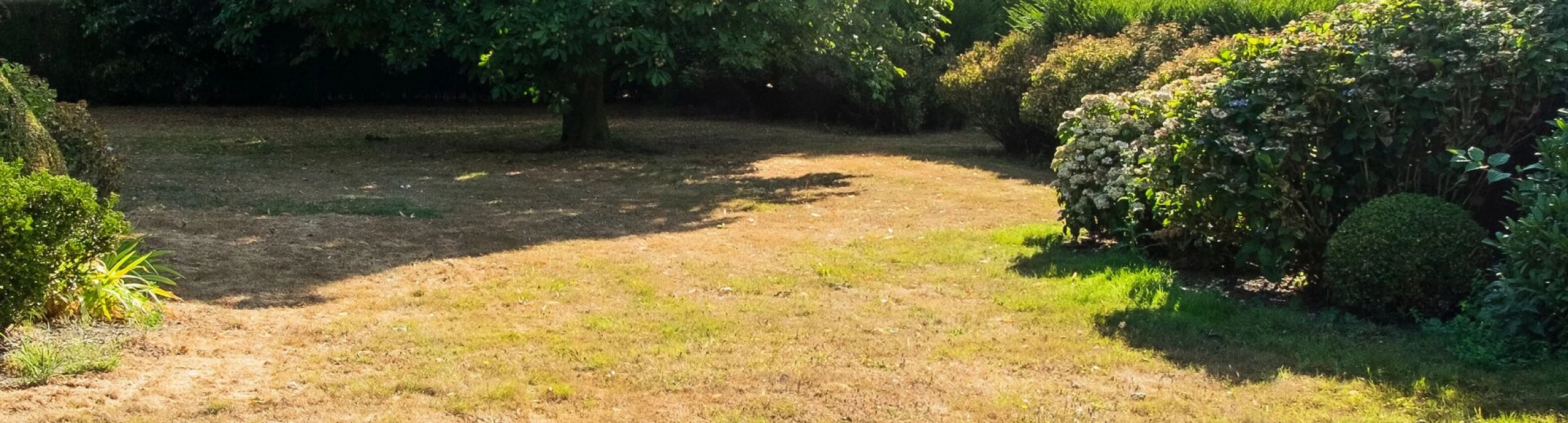
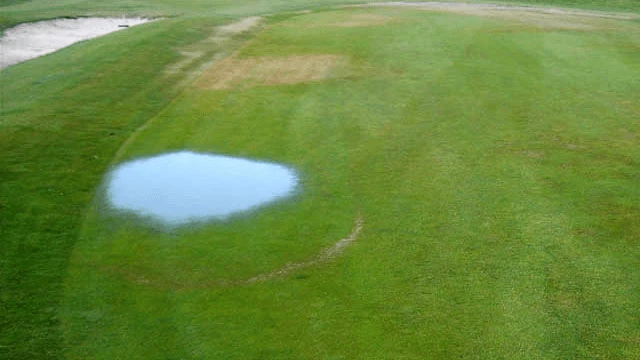
In turf areas, drought stress caused by water repellency is often a localised phenomenon. Water may still infiltrate in some areas while being unable to penetrate others. In these zones, rainwater remains on the surface longer and a significant proportion evaporates before entering the soil. On sloping sites, water may also run off towards areas that are not (yet) water-repellent.
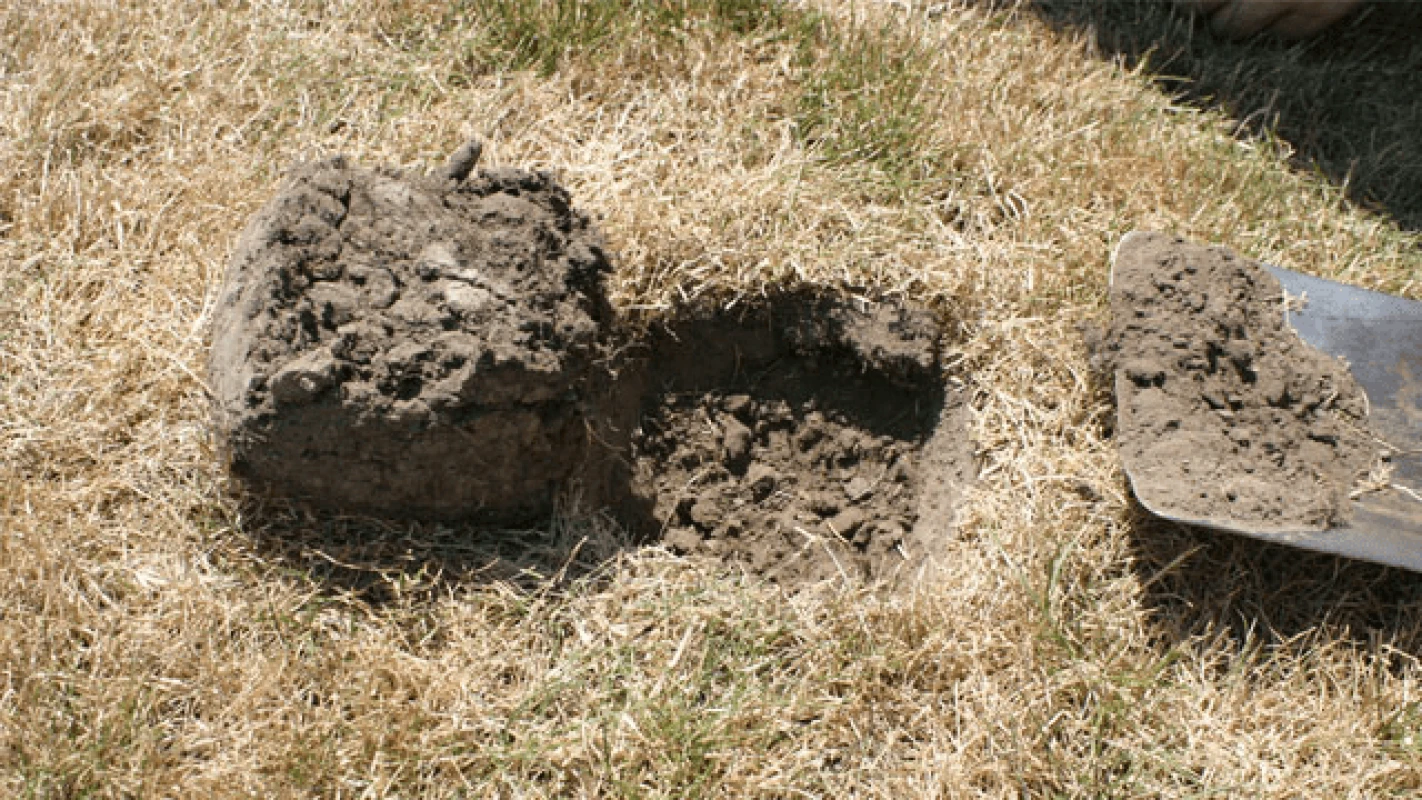
Due to gravity, water always follows the easiest path, and during drought stress it will mainly penetrate through the largest soil pores. As a result, so-called "preferential flow channels" develop. Considerable amounts of water drain through these channels, while other parts of the soil remain completely dry. The result is a non-uniformly wetted soil profile. Compared to areas that are not (yet) water-repellent, the amount of water that penetrates the soil during each rainfall or watering will therefore be increasingly lower in the water-repellent areas. During warm and dry periods, localised dry spots become increasingly severe. In many cases, simply applying more water will not solve the problem.
Whether water is supplied by irrigation or through (heavy) rainfall, the turf often gains little benefit because most of the water either fails to penetrate the surface layer, evaporates, runs off to lower-lying areas on sloped lawn or infiltrates the soil only through preferential channels without wetting the surrounding soil. As a result, the water remains unavailable to the plant roots. Continuing to irrigate or applying more water is often not the answer; the underlying water repellency of the soil must be addressed first.