Header image alt
Advice

The first 14 days after potting: setting the foundation for uniform pot cultivation

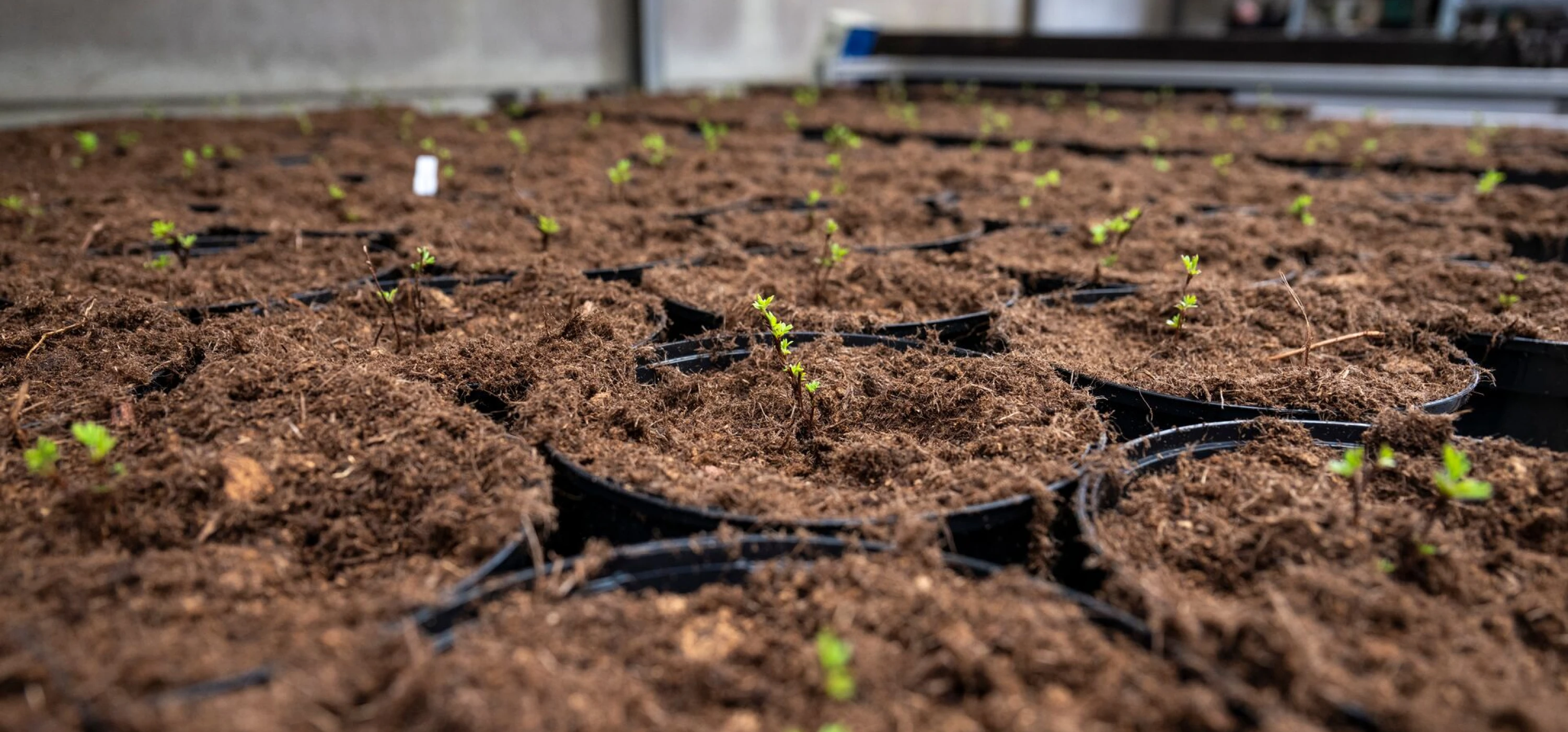
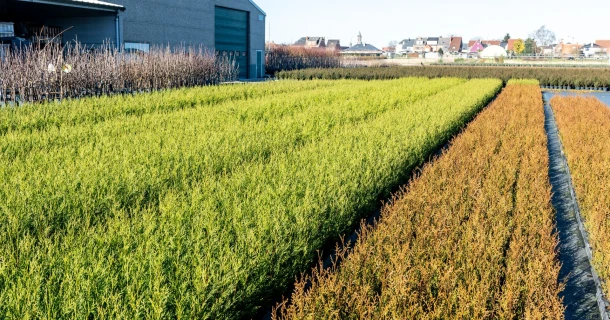
You are undoubtedly familiar with it: a batch of plants that was potted perfectly, yet a few weeks later shows less uniform growth than expected. Some plants clearly lag behind. In many cases, the cause does not lie later in the cultivation process, but in the very first days after potting.

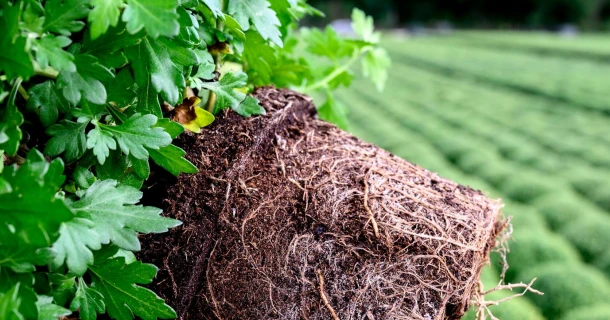
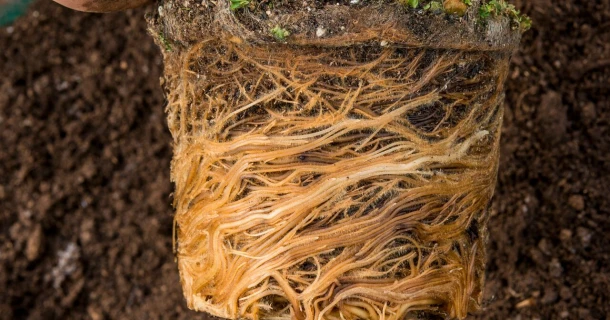
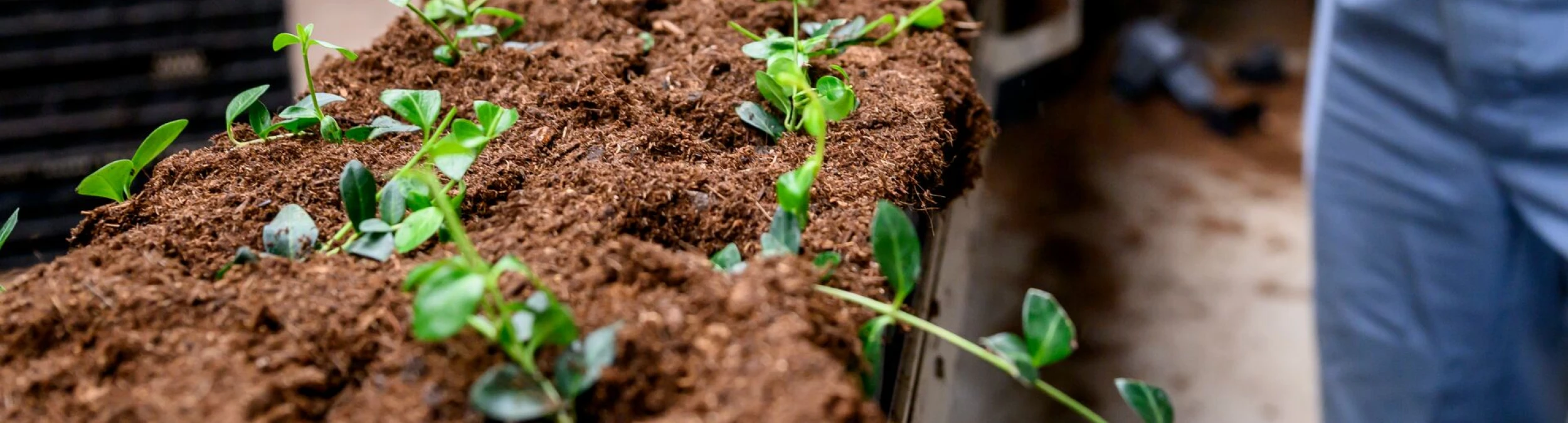
Above ground, little seems to happen, but below the surface the foundation for the rest of the crop is being laid. Creating the right conditions for root development at this stage helps prevent problems that might otherwise persist throughout the entire production cycle.

Three factors are crucial in this regard: consistent watering, a gradual build-up of fertilisation, and an active root environment.

The right water balance: not too dry, not too wet

Watering plays a crucial role during the first 14 days after potting. At this stage, young roots are still vulnerable and react strongly to fluctuations in the growing medium.

  • Too dry: risk of high EC

In a substrate that is too dry, a relatively large amount of fertiliser remains in a small volume of water. As a result, the salt concentration (EC) increases. Young roots are then exposed to an excessively concentrated nutrient solution, which can cause root damage and hinder water and nutrient uptake. This makes successful establishment after potting more difficult.

  • Too wet: oxygen deficiency

If the substrate remains overly wet or saturated for too long, an oxygen deficiency will develop. This weakens the root system and increases the risk of root problems. The plant produces fewer new roots and lags behind in growth.

-

Monitoring watering: from weighing pots to sensors

Monitoring is essential to achieve consistent watering.

- By weighing a pot immediately after watering and checking the weight again a few days later, you gain insight into the plant’s water consumption. This makes it possible to define a target weight at which the substrate is sufficiently moist without becoming saturated.

- In addition, especially in larger pot crops, the use of moisture sensors in the substrate is increasing. These sensors measure in real time how much water is available to the plant, enabling growers to fine-tune irrigation more precisely to actual crop needs.

The result: fewer fluctuations and a more stable root environment.

Roots first, nutrients second

After potting, the root system is still limited and often slightly damaged. The plant first needs to develop new, fine roots before it can efficiently absorb water and nutrients. This is why fertilisation during this phase requires caution. Applying fertilisers too quickly or in excessive amounts increases the salt concentration in the substrate, which can damage young roots (“root burn”). Y This risk is avoided when an organic base fertiliser is incorporated into the substrate, as it releases nutrients gradually to the young plants.

As the root system continues to develop, fertilisation can be increased step by step.

Active soil biology stimulates root development

In addition to water and nutrients, soil biology also plays an important role in the early growth phase. In fresh substrates, microbial life still needs time to establish. For this reason, more and more growers choose to add beneficial micro-organisms to the substrate when potting. Active microbial life around the roots supports faster recovery after potting and stimulates the formation of new roots.
Biostimulants in the substrate

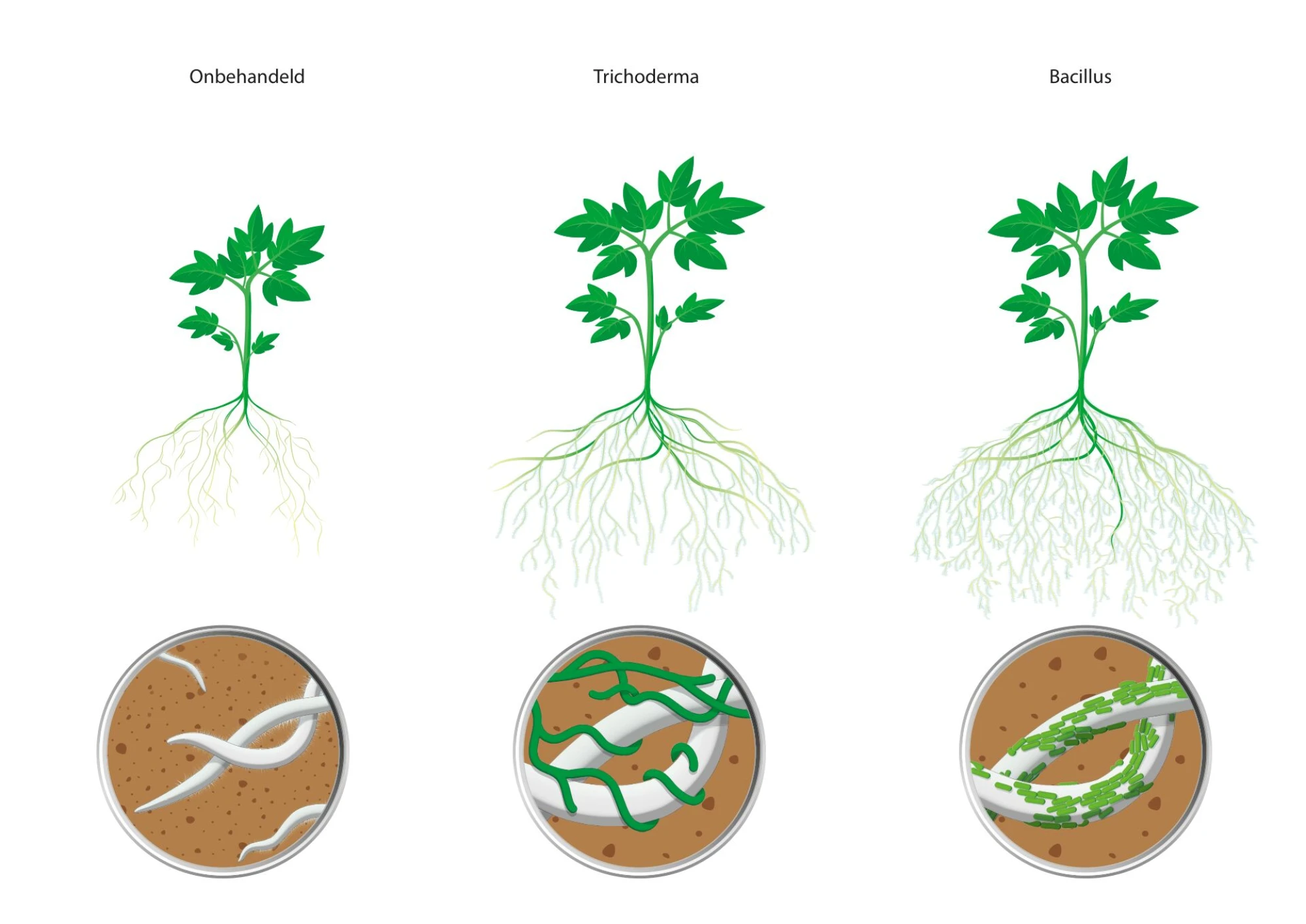
DCM instant TD® introduces beneficial soil fungi and biostimulants into the substrate. This makes the roon environment biologically active more quickly. Plants grown in a biologically active substrate typically develop stronger root systems and establish more rapidly after potting.

What is the impact of Trichoderma on root development?

Drenching with biostimulant

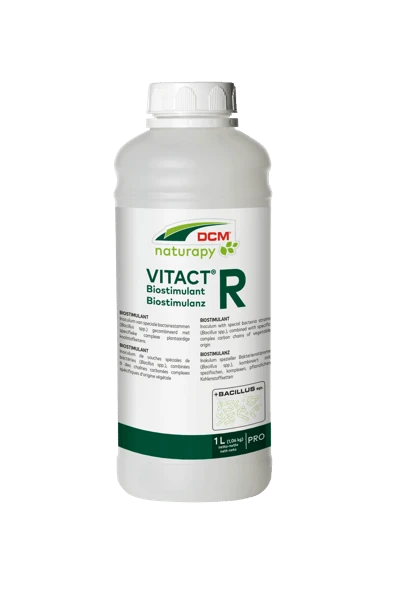
Liquid biostimulants such as DCM VITACT® R also support root establishment. By drenching plants immediately after potting, active components are delivered straight into the root zone. This stimulates faster root formation and helps plants cope better with transplant stress.

What is the effect of drenching with biostimulants immediately after potting?

Root dip before potting

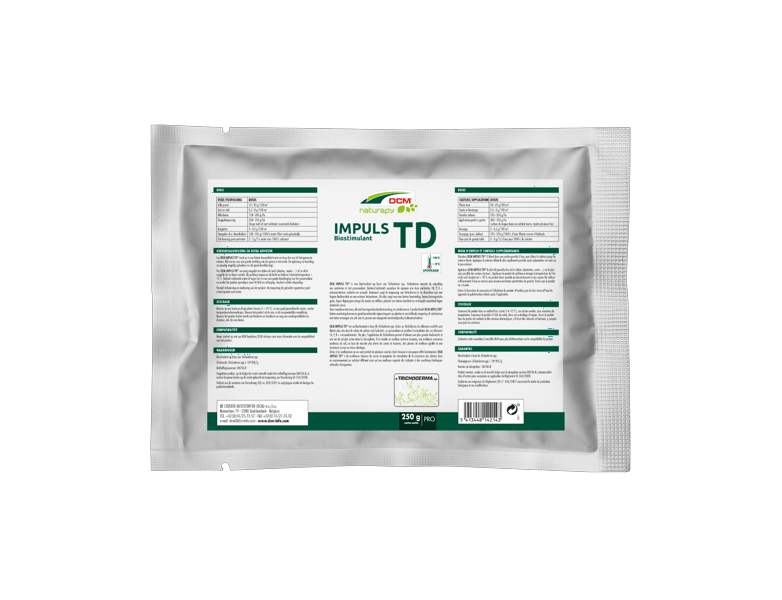
A strong root start can begin even before potting. With a root dip treatment, cuttings or young plants are immersed in a solution containing beneficial micro-organisms. DCM IMPULS TD® contains Trichoderma spp., which promote accelerated phosphorus release, making this nutrient immediately available to the plant. This stimulates faster root development and enhances plant resilience during this sensitive establishment phase.

Signs that the establishment is not progressing well

Because the first few weeks largely take place below ground, problems often only become visible at a later stage.

  • Lack of uniformity. Some plants continue to grow smoothly, while others lag behind. These differences often arise in the first few days after potting and remain visible throughout the entire crop cycle.

  • Growth delay. Due to poor root development in the first two weeks, plants form new shoots or leaves more slowly. This delay often remains visible at later stages as well

Stronger root start = stronger crop

The period immediately after potting largely goes unnoticed, yet it plays a decisive role in the overall success of the crop. Biostimulants can provide valuable support for root development during this critical phase.

As many growers have experienced: a strong root start almost always leads to a stronger,

Would you like personalized product advice?

Fill out the contact form.

Contact
Brief Summary

During this period, plants form new roots and recover from transplanting. A good root start is crucial, as it later determines the uniformity and growth of the entire batch.

A substrate that is too dry increases the EC around the roots, while a substrate that is too wet causes oxygen deficiency. Both conditions inhibit root development.

Biostimulants stimulate root development, accelerate plant growth and enhance resilience, allowing young plants to grow more quickly and more uniformly.

Summary image alt

Related products