Header image alt
Customer case

Decora Plants prevents Calluna losses without extra workload thanks to the DCM approach

About this client

Name

Decora Plants BV

Sector

Ornamental horticulture

Location

Molenstede (België)

“Since we started adding DCM’s INSTANT TD® and MICRO-MIX YELLOW during potting, Calluna losses have virtually disappeared. Just as important: I can now work preventively thanks to a customized fertilisation plan that ensures a strong start and a more resilient plant. As a result, I need to intervene much less during the season. It brings peace of mind … and a stronger foundation for the season.”

– Marc Meuws – Decora Plants

The challenge: Reducing Calluna losses and resource use

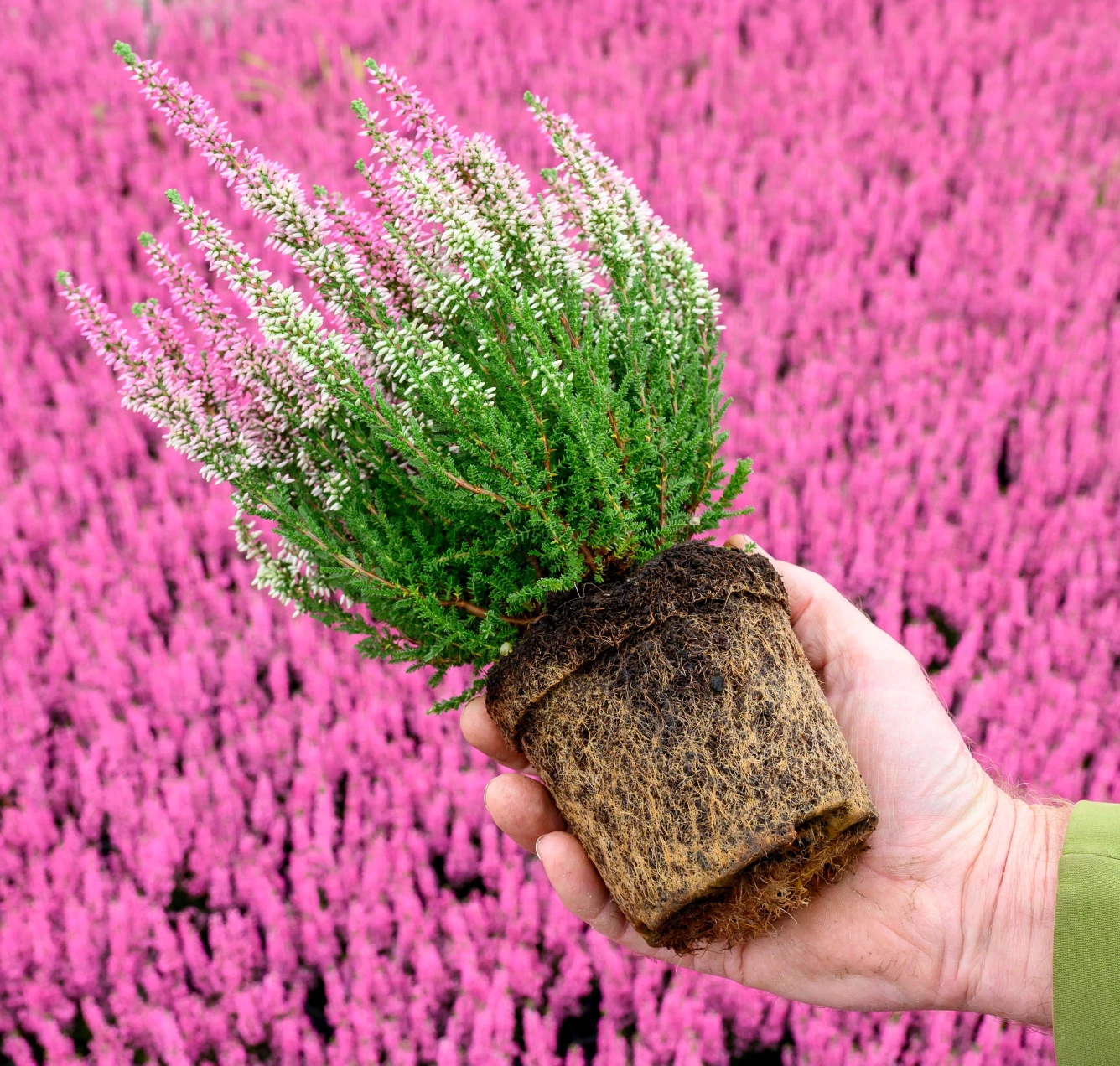
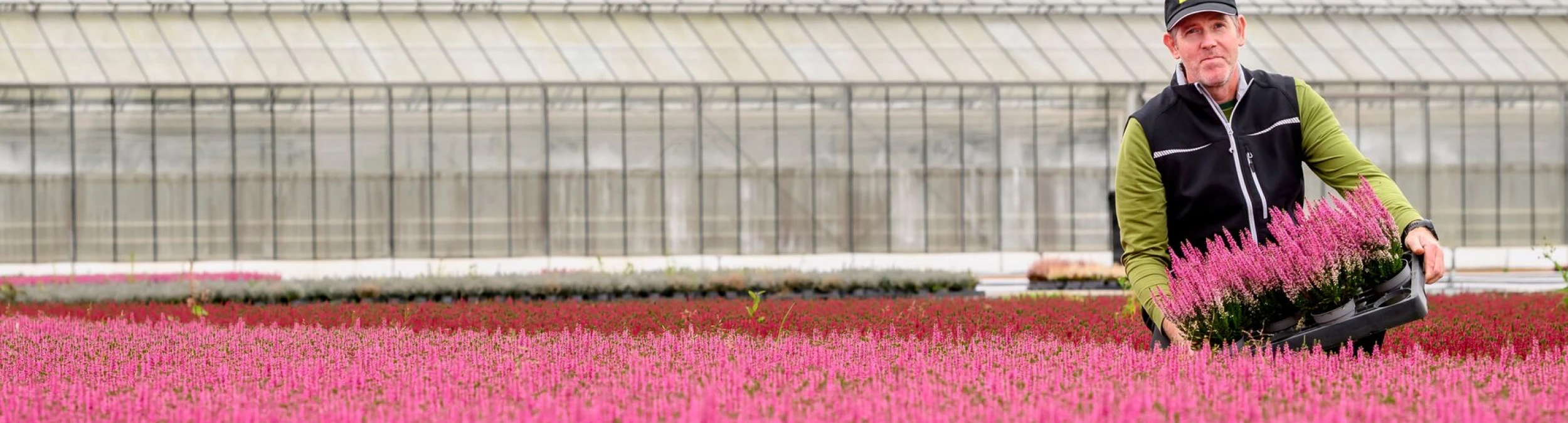
Decora Plants is an ornamental plant grower based in Molenstede (Belgium), with Calluna vulgaris (common or summer heather) as one of its key crops. Calluna is a strongly acid‑loving plant and is known for its sensitivity when conditions become unfavourable, particularly during wet periods. For grower Marc Meuws plant losses are therefore not simply “part of the job”, but a risk factor that can, depending on the year, suddenly have a major impact on the company’s results. In practice, this means plants that wither shortly after potting, gaps within batches, additional sorting and disposal work, and uncertainty as the sales period approaches. Decora Plants was therefore looking for a way to reduce this risk and improve the company’s results, without major operational changes or large amounts of extra work.
Working preventively through the substrate

It was ultimately Decora Plants' regular crop advisor who proposed a new strategy with DCM: combining INSTANT TD® and MICRO-MIX YELLOW. INSTANT TD is a plant-based soil improver enriched with Trichoderma fungi, which activate the soil life around the roots, enhance nutrient uptake and support rooting and overall plant resilience. MICRO-MIX YELLOW contains the 6 most important trace elements that help prevent and correct deficiency symptoms in the crop. What immediately caught Marc’s attention was how different this approach was from what he was used to. “Instead of waiting for problems to appear, we now work preventively by providing optimal fertilisation through the substrate. It was the first time we had tried such an approach.”

Practical application during potting

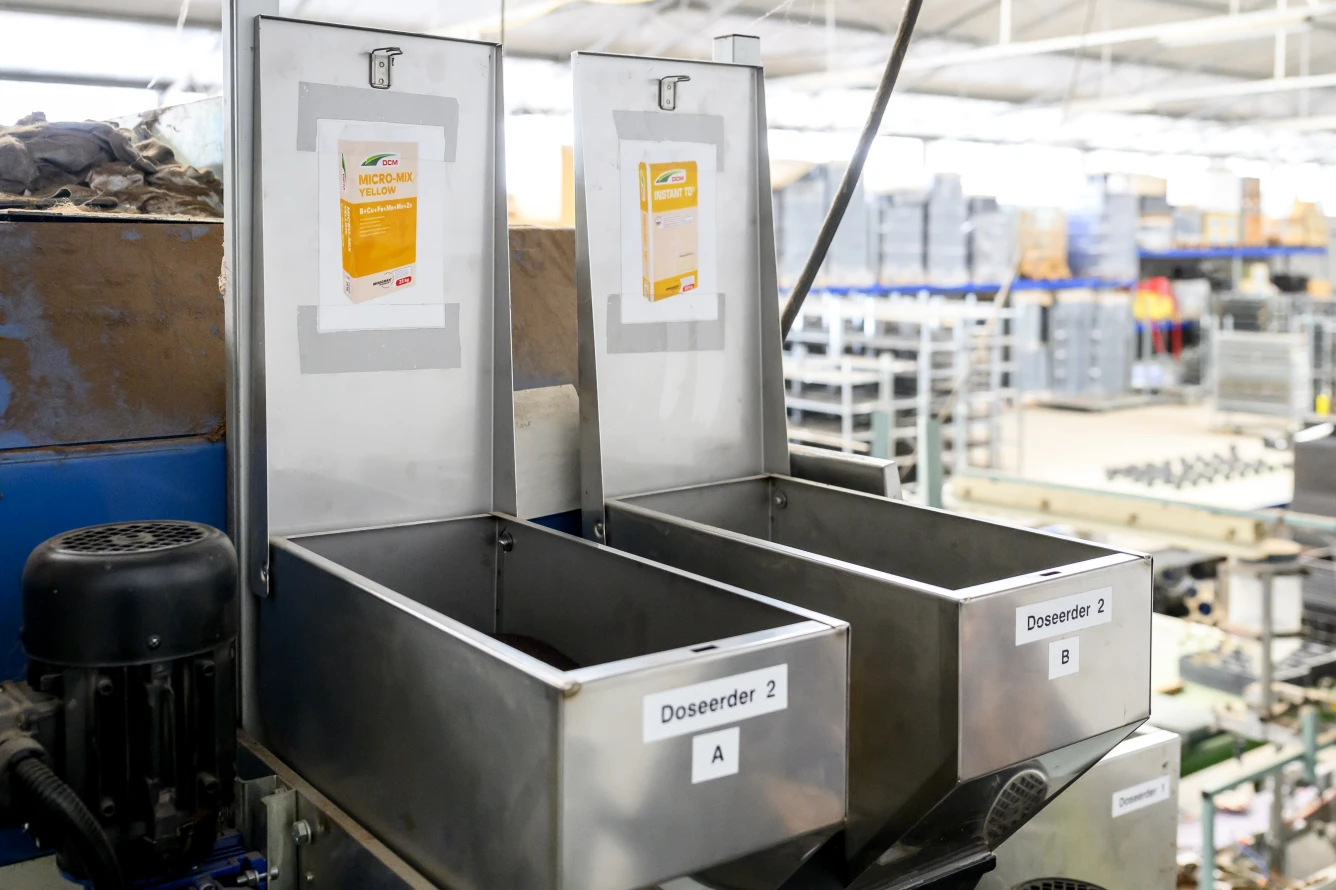
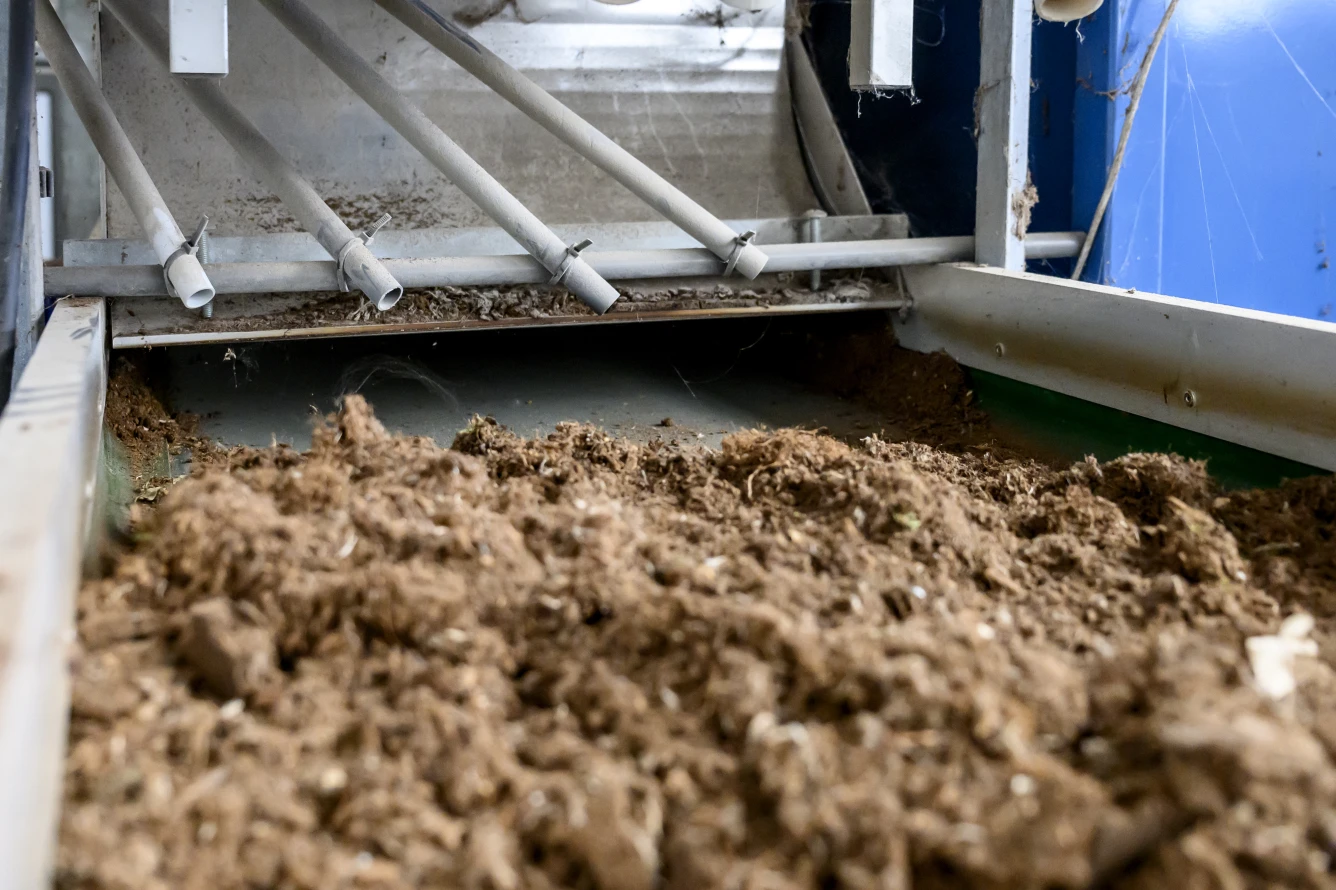
Putting this new proactive approach into practice did not require a complete revision of the cultivation process, but it did require one practical adjustment: Decora Plants works with a potting line, which needed to be aligned with the new strategy. The substrate arrives in big bales, after which fertilisers/biostimulants are added during potting. Behind the big bale scraper, a conveyor belt provides a fixed volume of substrate, which is then used to calibrate the dosing hopper. Marc explains: “Installing that hopper was the only addition we had to make to our existing line. But we earned back that investment easily within two seasons. No other major changes were needed.” A clear practical advantage is the MINIGRAN® granular form of both DCM products, which enables precise dosing, even for small pot sizes. And because the potting soil is turned twice after dosing, the distribution of the inputs becomes even more homogeneous.

-

Important detail: Marc also considered which fungicides might interfere with the activity of the Trichoderma fungi in INSTANT TD. Wherever possible, he removed certain products or switched to alternatives with lower levels of incompatibility. "In the second year, we also increased the INSTANT TD dosage from 1kg/m3 to 1.5 kg/m3, which increased its effectiveness even further."

-

Result: losses approaching zero

The most tangible outcome is clear: over the past two years, both with very different weather conditions, Marc has seen losses fall to what he describes as “very low”, approaching zero. "In the past, depending on the conditions, we sometimes had total losses of around 3%. Now we’re at 0.8 percent. That's almost nothing." And the improvement is not only visible at the end of the season. According to Marc, it shows up right from the start: "At the beginning of the growing season, around April/May, you can already see whether a batch is off to a good start. In wet summers, losses can still appear in July and August, but even then we’re seeing a clearly improved situation." Fewer losses mean far more than reduced financial impact. They also translate into less sorting and repair work, and greater delivery reliability as the sales period approaches.

-

At the same time, it’s about more than just the financial aspect. The availability and acceptance of chemical products are increasingly under pressure: "From the perspective of responsible growing and taking our social responsibility seriously, we believe it's important to reduce the use of chemicals in cultivation as much as possible." According to Marc, a preventive strategy is therefore key: "If you only intervene when things go wrong, you’re already starting behind. But if you can start with a resilient plant, you’re already ahead."

Taking preventive action to increase plant resilience

Marc's most important piece of advice is simple: start at the base. "If something goes wrong at the beginning of the cultivation process, you need to correct it later, and you end up with weaker plants." That is why he prefers preventive support through optimal fertilization. It gives the plant a stronger start and reduces the need for interventions later on. "Of course, it also varies from year to year. But with the experience we have now, I think that with DCM's products, we really have something very good in our hands."

Products used

Would you like personalized product advice?

Fill out the contact form.

Contact