Why drought damage often begins during installation
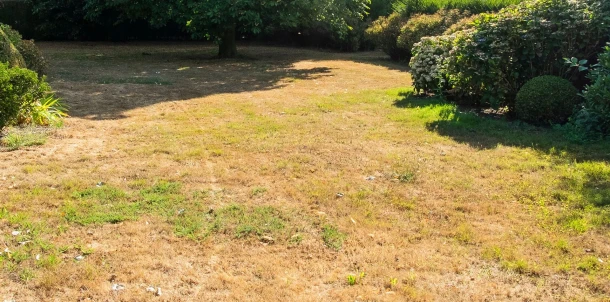
At first glance, drought may seem like a weather-related issue. In reality, its impact on a garden is largely determined much earlier – during installation. The choices you make at this stage determine how well a garden can cope with stress later on. And that is where things sometimes go wrong.
Working on compacted or depleted soil
When soil is compacted, water infiltration is limited. Rainwater runs off more quickly, roots stay shallow, and plants become dependent on supplementary watering sooner. During dry periods, such gardens come under stress almost immediately.Failing to consider the soil type
Not all soils respond the same way to drought. Sandy soils lose moisture quickly, while heavy clay soils can hard in summer into a dense layer that is difficult for roots to penetrate. Without a proper understanding of the soil, it is impossible to build a resilient garden.Insufficient focus on water buffering
A garden lacking organic matter or adequate water retention loses its reserves quickly during warm periods. The smaller the buffer, the sooner stress becomes visible.The wrong plants in the wrong place
Plants that once thrived easily in gardens may no longer perform as well today. Traditional moisture-loving species often prove vulnerable during hot summers. Continuing to rely on an outdated plant palette increases the risk of plant losses—and client dissatisfaction.
What makes a garden truly resilient to drought?
1. Healthy soil as a foundation
A strong garden starts underground. Soil rich in organic matter acts like a natural sponge: it retains water for longer and releases it gradually to the roots. At the same time, a well-structured soil allows rainwater to infiltrate rather than run off. Active soil life also plays an important role. Healthy soils help plants absorb nutrients more efficiently and cope better with stressful conditions such as heat and drought.
Creating a garden starts with understanding the soil. A professional soil analysis provides insight into soil structure, pH level and organic matter content, allowing you to tailor fertilisation, soil improvement, and plant selection to the specific conditions.
2. Smart water management
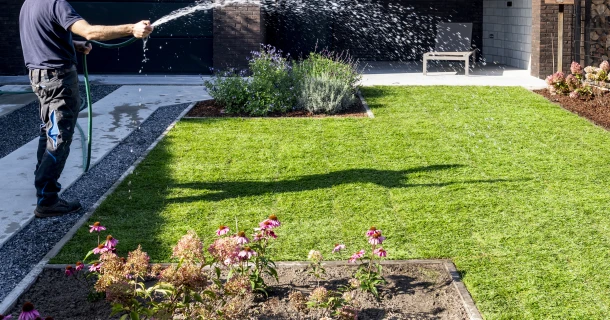
Water management involves much more than watering when the soil becomes too dry. A resilient garden retains rainwater for longer. Permeable surfaces, infiltration areas, ‘rain gardens’ and adapted landscaping features such as wadis help to capture and store rainwater. An efficient irrigation strategy also makes a difference: drip irrigation, rainwater harvesting and smart automated watering systems help minimise waste.
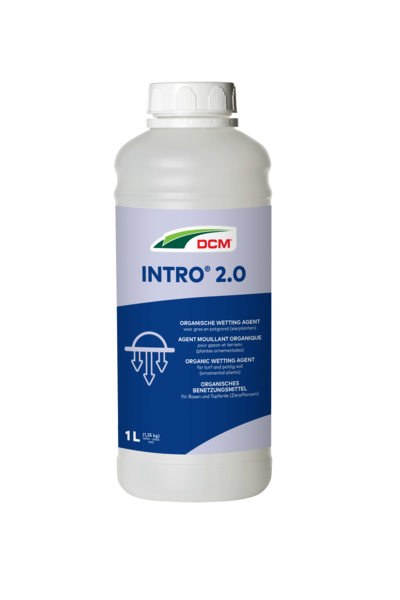
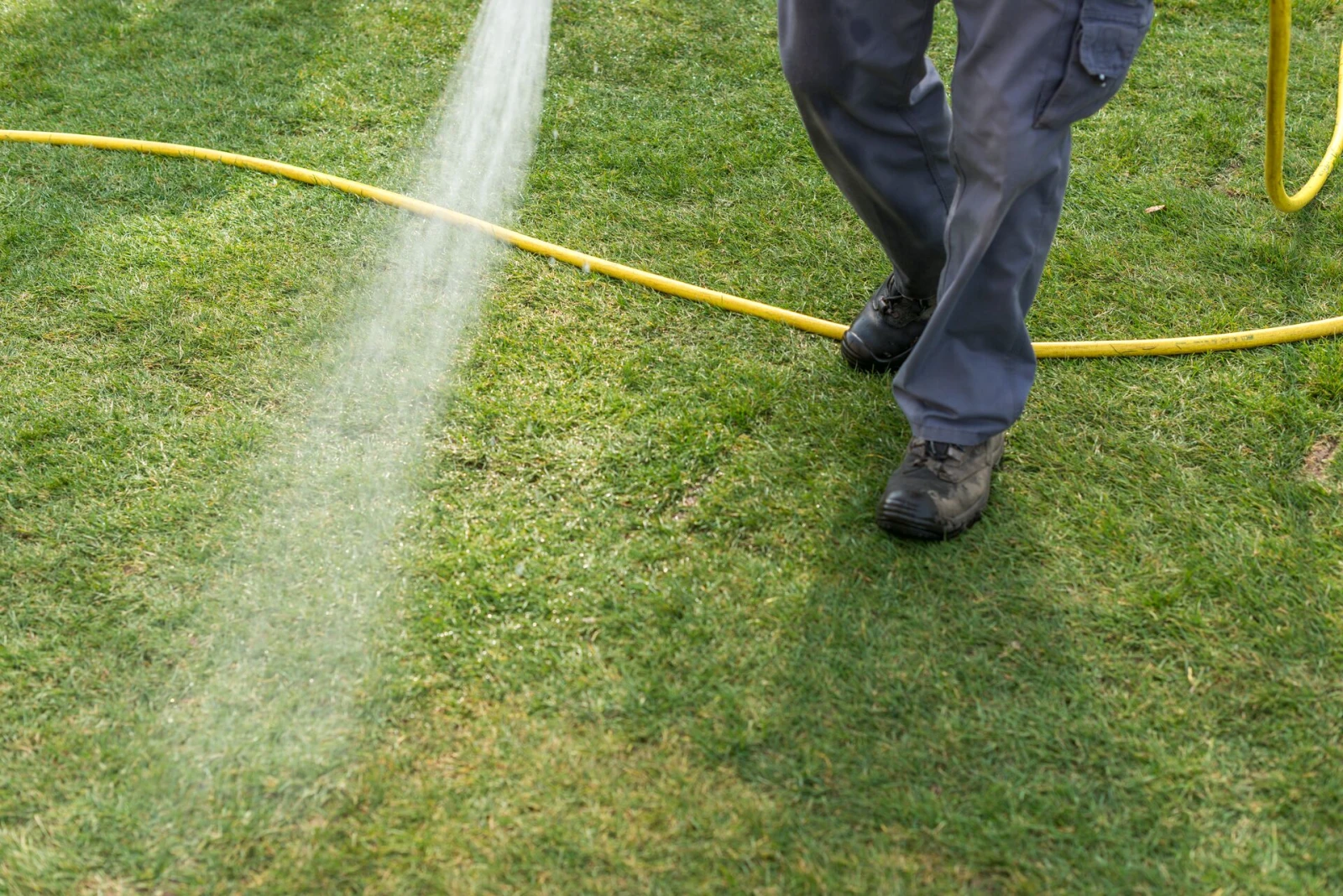
However, there are also gains below ground. A wetting agent such as DCM INTRO® 2.0 helps distribute water more evenly in the soil, ensuring that moisture remains available in the root zone for longer. This can make a noticeable difference, especially in dry or water-repellent soils.
3. Choose plants that can handle summer conditions
Assessing a garden based on how beautiful it looks at completion is no longer sufficient.
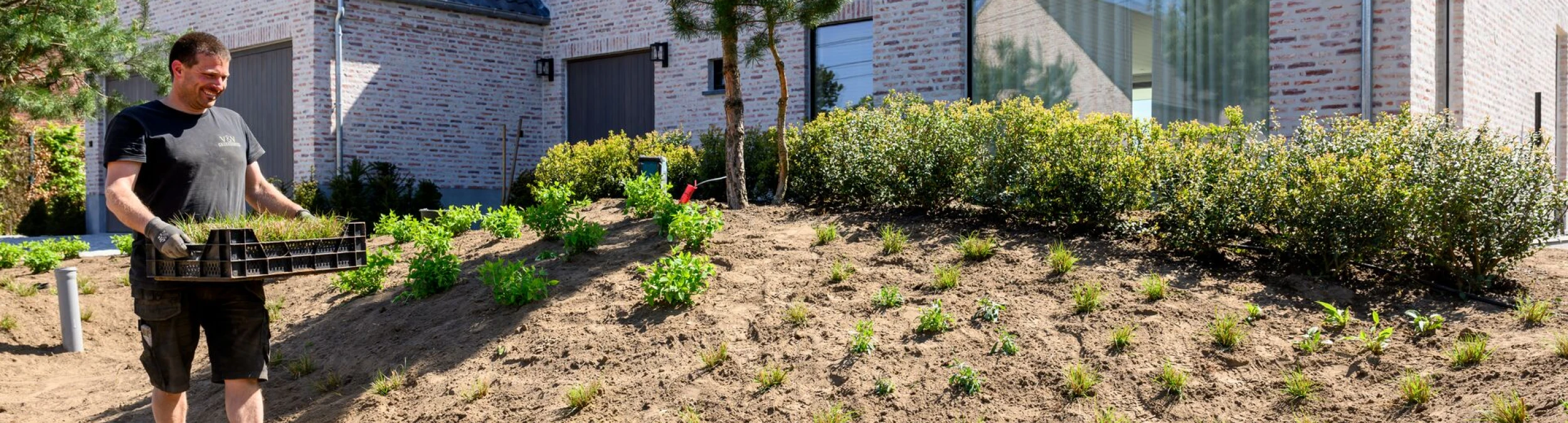
The true quality of a garden becomes apparent after several summers. That is why plant selection is increasingly important in drought-resistant garden design. As a garden contractor, you should select species that are both drought-tolerant and capable of coping with wet winter conditions. Deep-rooted plants tend to perform better during dry periods, while native species are gaining ground thanks to their natural adaptability.

Lawns also deserve attention. Traditional lawns are increasingly struggling during heatwaves. By choosing drought-tolerant grass seed, you opt for a lawn that is better able to withstand extreme weather conditions and remains strong for longer.
4. Maintenance determines long-term resilience
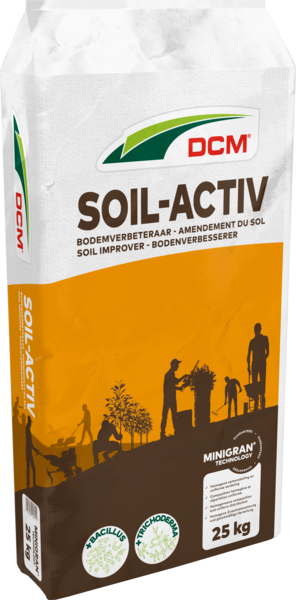
Creating a drought-tolerant garden does not end with installation. Well-planned maintenance is crucial for long-term resilience. By actively stimulating soil life and supporting plants preventively, you make gardens less vulnerable during periods of stress. Organic fertilisers not only provide nutrients, but they also contribute to better soil structure and water management. Soil improvers containing beneficial bacteria and fungi, such as SOIL-ACTIV support root development. A well-developed root system is essential when plants come under stress.
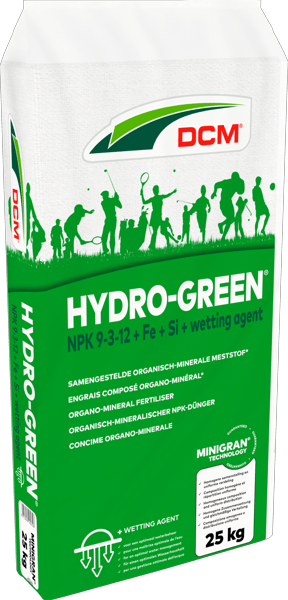
The lawn fertiliser DCM HYDRO-GREEN® supports grass during dry conditions and helps it use water more efficiently.
Bring your client into the story
More and more professionals recognise that investing in soil quality and preventative care pays off: fewer plant losses, reduced maintenance pressure, and less need for replanting. However, this also means a higher initial investment. That is why clear communication with your client is crucial. Explain why soil care is not an extra cost, but an investment that delivers long-term value. Show the difference between a plant that looks good in a garden centre and one that survives three dry summers.
This is where your role as a professional comes in: managing expectations and helping clients understand how smart choices made below ground lead to visible results above ground.
Those who invest today in soil quality, water management and robust plant choices are building gardens that are less prone to stress — and cultivating long-term client satisfaction.
With DCM’s expertise, you can make informed decisions that strengthen gardens, even under increasingly challenging conditions.