What does this mean for you as a garden contractor?
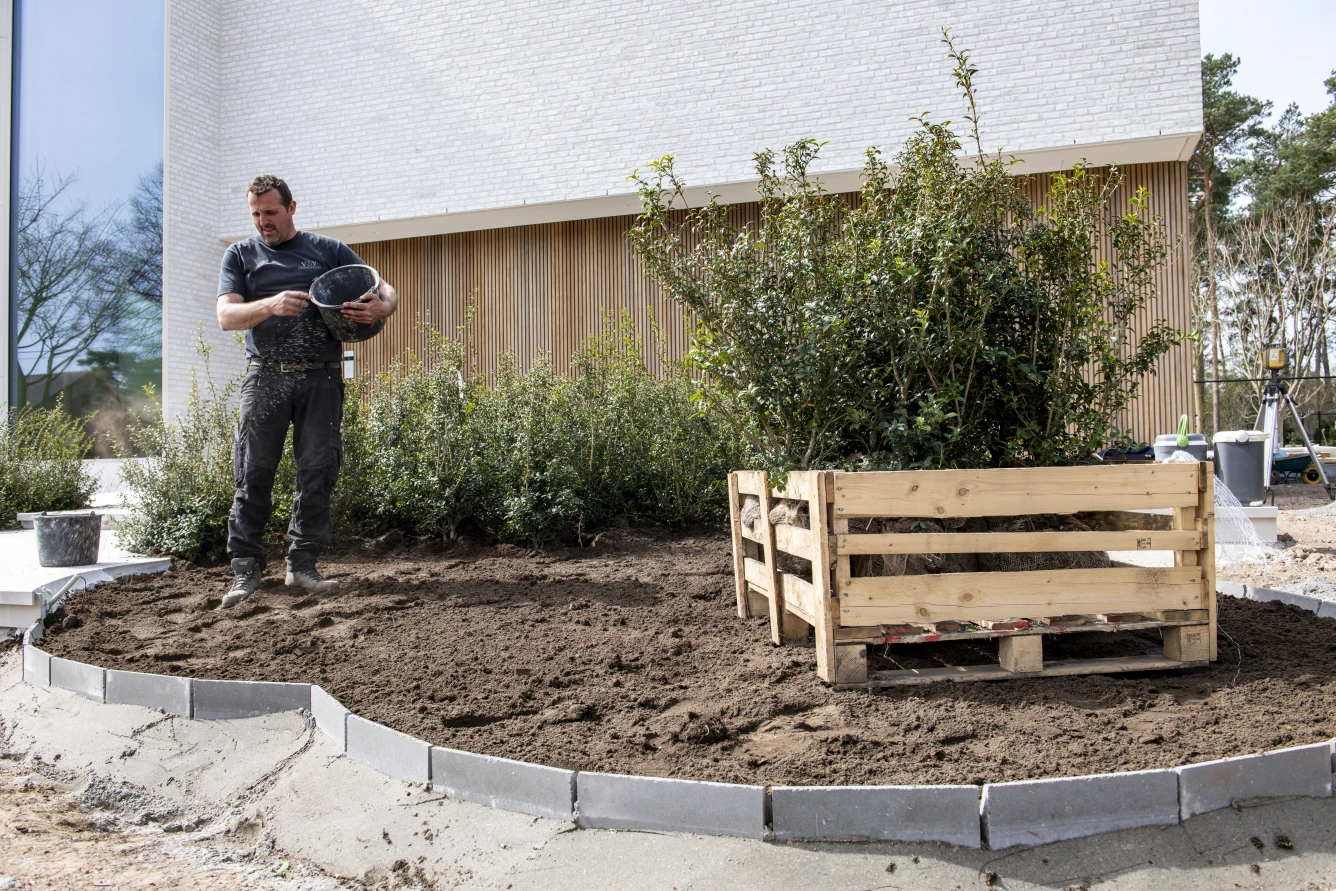
Sustainability is not a theoretical concept or a marketing term. Creating a sustainable garden translates directly into benefits on site:
less plant loss → fewer (unpaid) repairs
plants that grow well → less follow-up
stronger soil → less climate-related stress
greater predictability → fewer discussions
satisfied clients → more word-of-mouth referrals
And most importantly: you gain peace of mind in your planning. Because the most expensive projects aren’t the ones where you invest in soil and fertilisers – they’re the ones where you have to return afterwards.
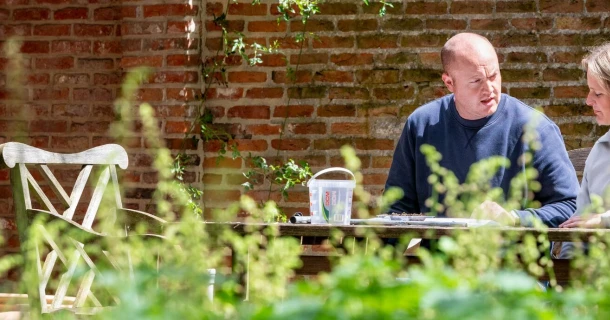
How do you explain this to clients?
The way you structure your story makes all the difference. Focus on the result and the benefits, using concrete examples. Only mention the word “sustainable” at the end. What messages work well?
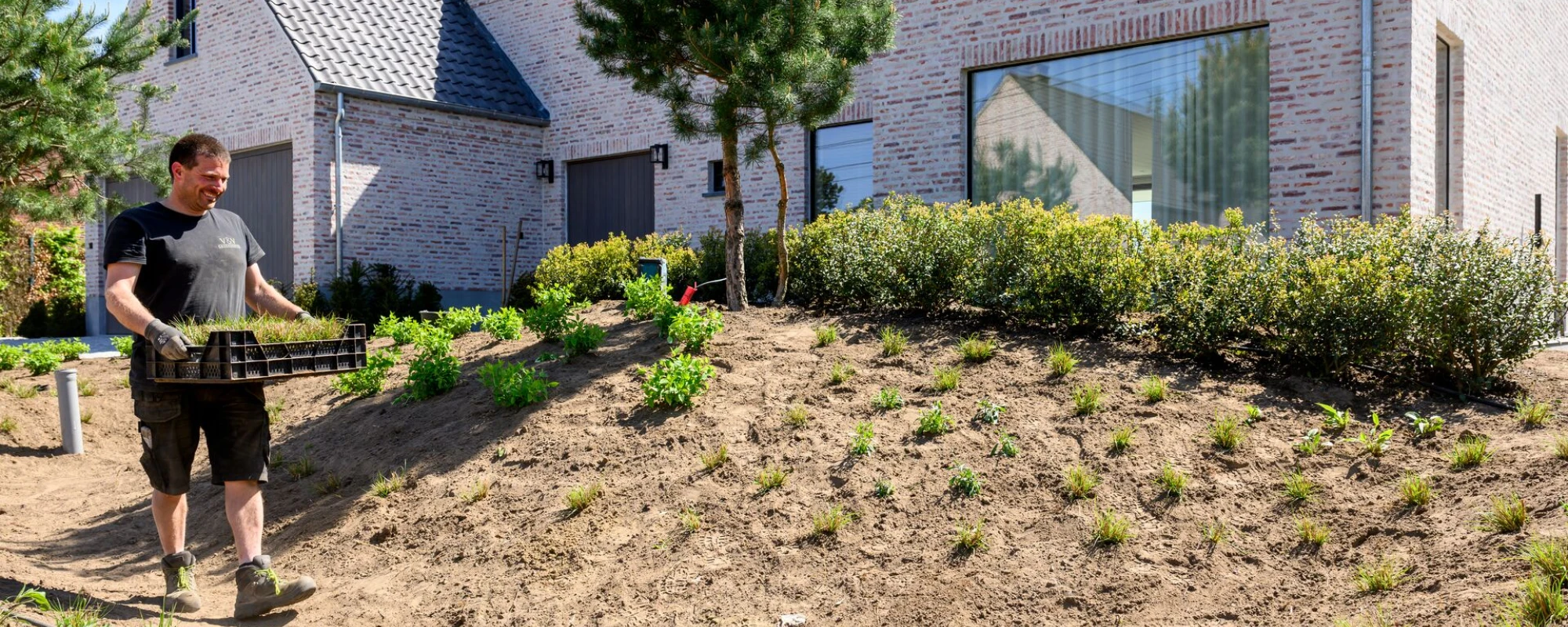
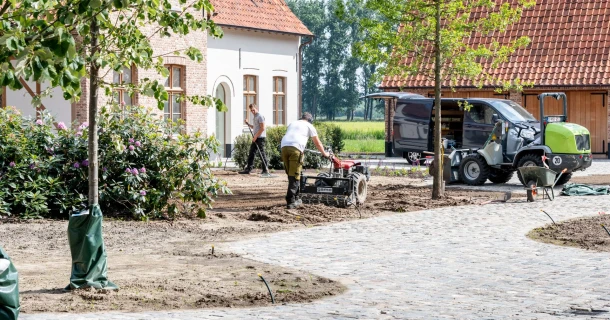
“We prepare the soil properly so that your plants take root more strongly and you have less risk of plant loss.”
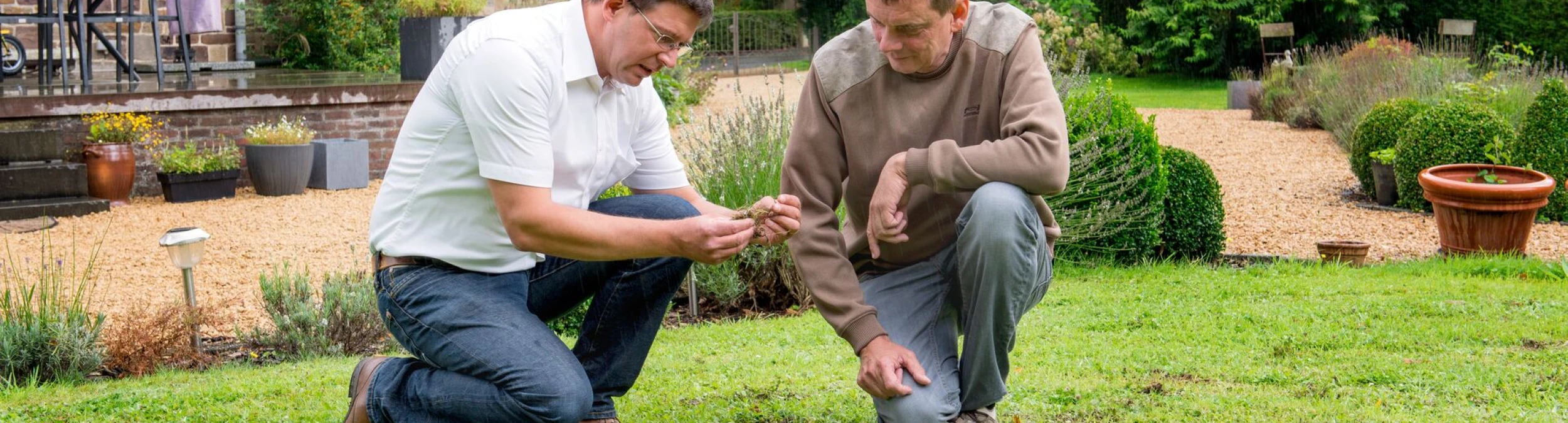
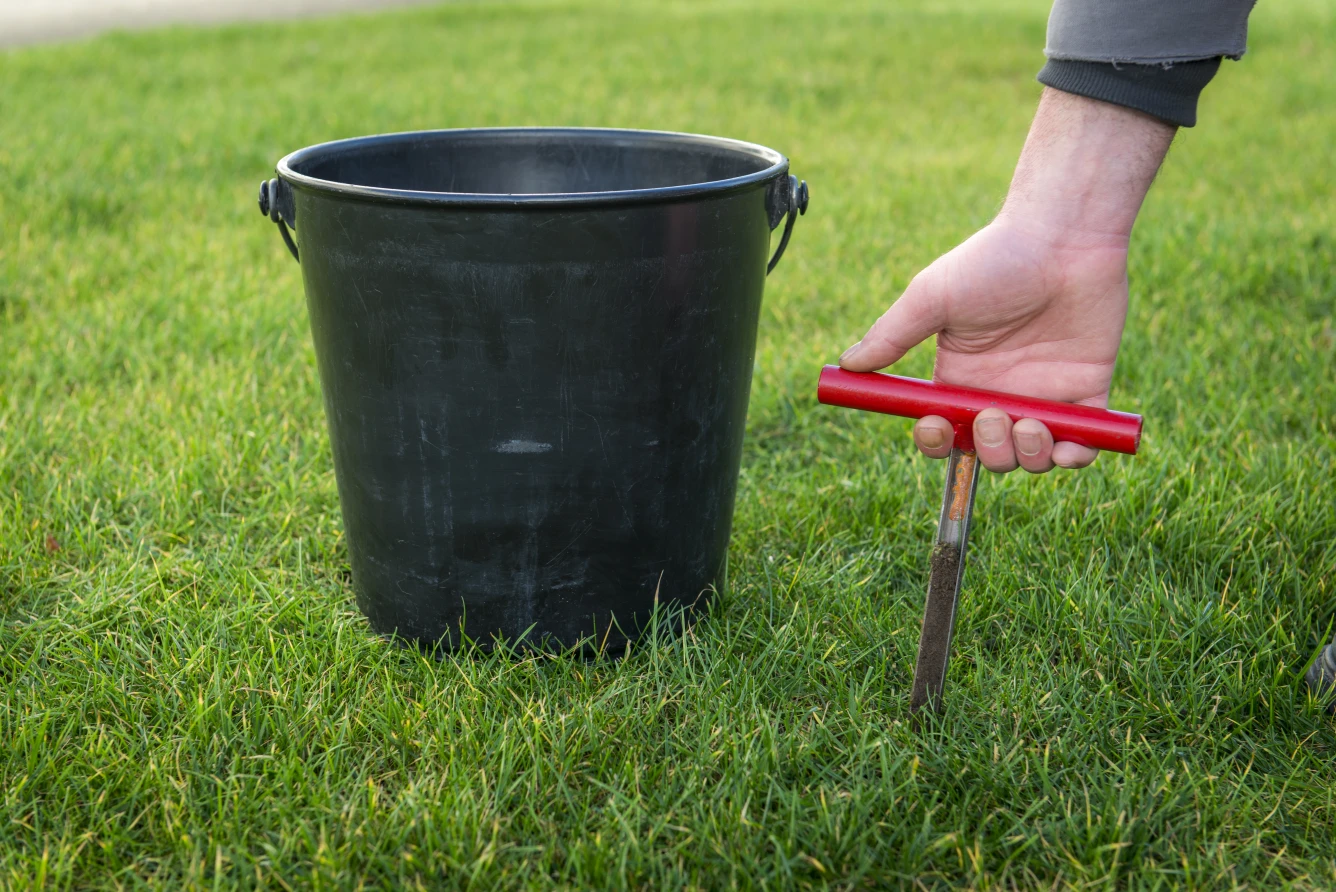
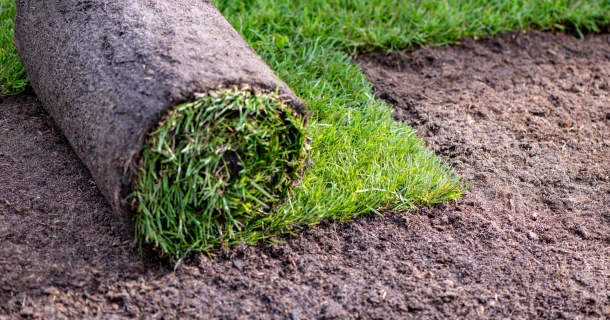
“We start with a soil analysis, so we know exactly what works here and what doesn’t.”
“We choose fertilisers with a gradual release, so plants don’t experience growth peaks or deficiencies.”
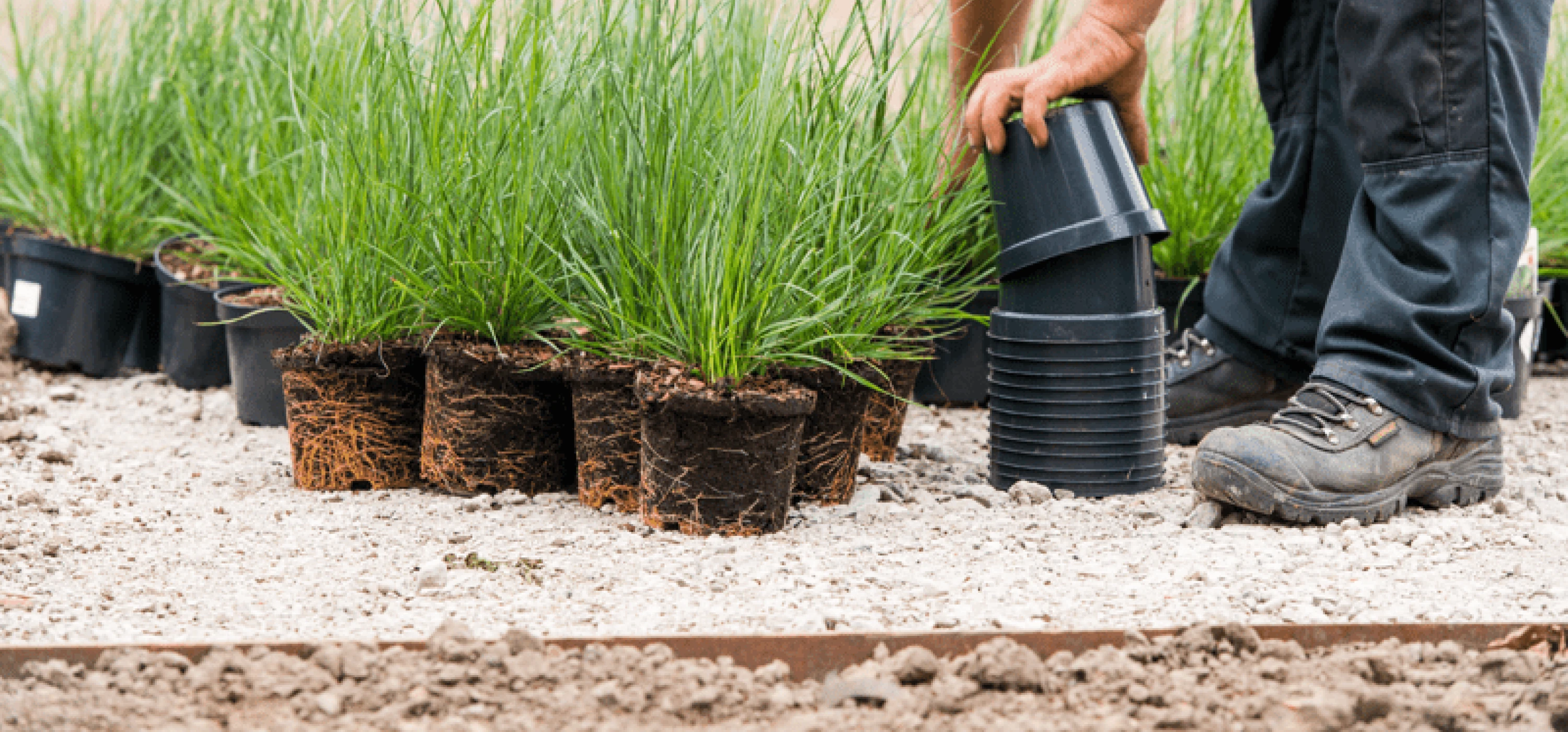
“We select plants that match the soil conditions — delivering the best long-term results.”
DCM as a practical partner
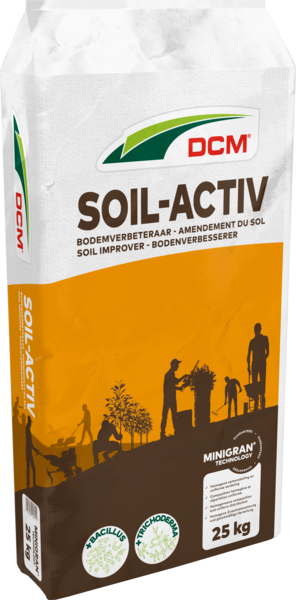
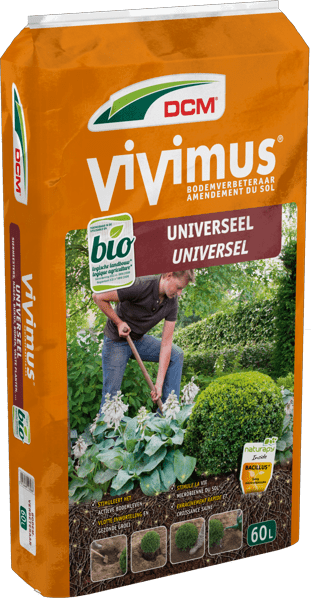
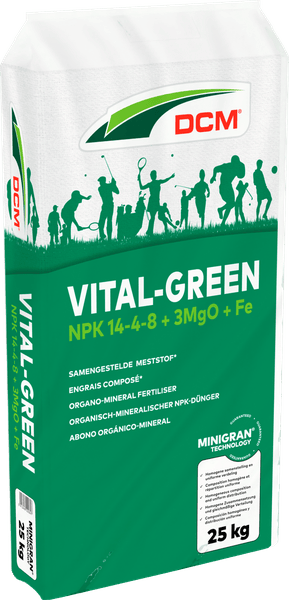
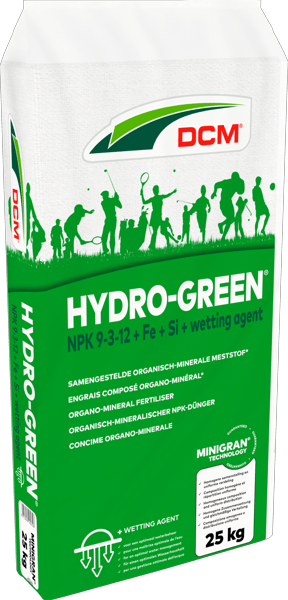
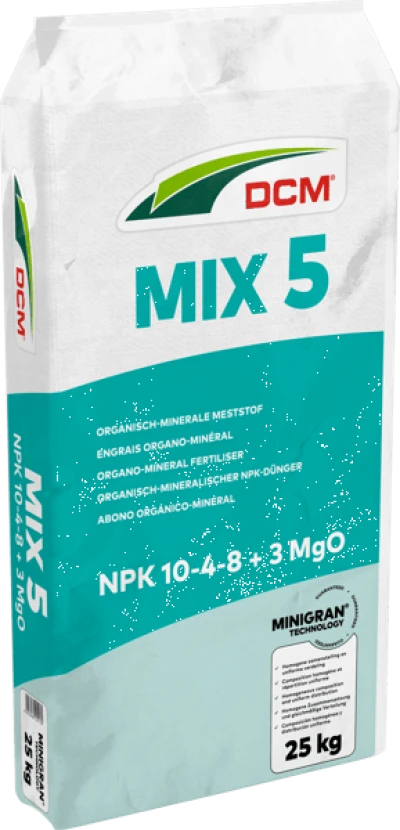
A garden that stays beautiful for years starts with making the right choices from the very beginning. With targeted advice on soil improvement and organic fertilisers based on soil analyses, DCM supports garden contractors in their day-to-day work. Not with theory, but with practical product advice tailored to your project. What works where? Why do plants fail? How do you build a more stable soil? Every garden is different — and that’s exactly why practical advice is essential.
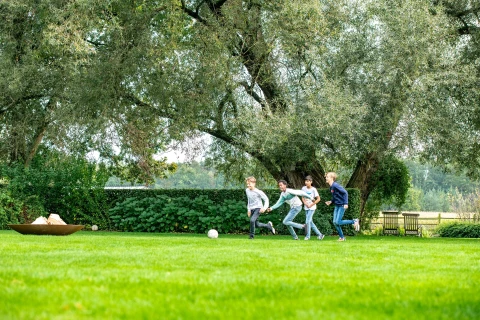
Ultimately, the same principle applies to everyone: a garden that continues to perform well, and clients who enjoy it for years to come.