Header image alt
Advice

Working to a tight deadline on site? Don’t rush these crucial stages.

A tight schedule, a client eagerly awaiting their new garden, and the next project already lined up. For many garden contractors, time pressure is a daily reality. Working quickly is not necessarily a problem. In fact, efficiency is essential for running a profitable landscaping business. But when crucial stages come under pressure, the consequences can cost extra time and margin later on. Problems related to soil conditions, planting or water management often only become apparent after the project has been completed. The time you saved initially may then be lost through aftercare, corrections and additional site visits. So how do you strike the right balance between speed and quality?

The real cost of delivering a project too quickly

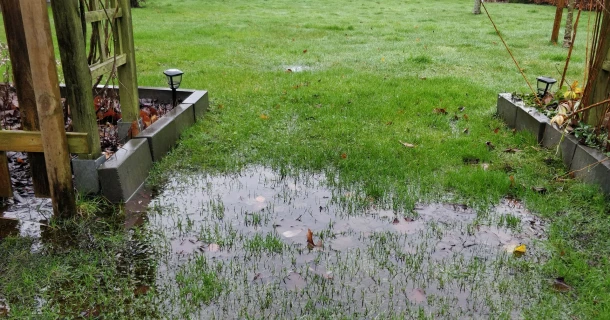
At handover, a garden may look perfect. The real test often comes afterwards. Plants may fail to establish properly, growth can become uneven, water may remain standing in certain areas or the garden may struggle during the first dry spell. For the client, it makes little difference whether the cause lies in the preparation, the weather or a tight schedule: they simply expect their new garden to look good. For you as a garden contractor, this means extra work: returning to the site, replacing plants, analysing problems and reassuring clients. The time you saved during installation, along with part of your profit margin, quickly disappears.

The question, therefore, is not how quickly you can complete a project, but how you can balance speed and quality. And how you can communicate that clearly to your client.

Why speed sometimes takes priority

The reality of working as a garden contractor involves constant planning, deadlines and coordination and adjustments. Especially during peak season, one project follows another in quick succession.

Clients have high expectations and look forward to the moment their garden is finally completed. Landscape architects also often work to predefined deadlines. Meanwhile, you need to keep your own schedule, workforce and preparations for upcoming projects under control. Sometimes working quickly is simply necessary, and there is nothing wrong with that. Efficiency is essential for a healthy business.

The risk arises when crucial steps are shortened or skipped due to time pressure.

-

Soil preparation: an essential step that deserves proper attention

A successful garden starts below ground. Yet this is often where the greatest risks arise when time is limited. Soil preparation is less visible to the client than a patio, lawn or planting scheme. Nevertheless, this stage largely determines how well plants establish and how the garden develops afterwards. Healthy soil with a good structure, sufficient organic matter and active soil life gives plants a strong start. Soil preparation should never be skipped, even when schedules are tight. The time and attention invested at this stage can prevent a great deal of aftercare later on. Innovative solutions such as DCM SOIL-ACTIV can help make soil preparation more efficient.

 Also read: How can you save time with an all-in-one soil improver?

Water management also deserves attention before project handover

Water-related problems often only become visible once the garden has been handed over. A first dry spell, a period of heavy rain or a combination of both quickly reveals how well the soil and planting have been prepared. Water management is a crucial stage of any garden project. How effectively does water infiltrate the soil? Where is there a risk of waterlogging? Do new plantings have sufficient water available to establish properly? How resilient will the garden be during prolonged periods of drought?

By allocating sufficient time to water management during the preparation stage, you can prevent problems from becoming visible once the garden is already in full use.

 Also read: Why water management is crucial today

-

Why do garden projects come under time pressure?

Time pressure rarely has a single cause. It is usually the result of several factors combined. A project may be delayed by weather conditions, unexpected soil issues or a delivery arriving later than planned. Staff availability can change or the project may need to be adapted to the realities encountered on site. Meanwhile, the next project is already waiting to begin.

And then there is your client, eagerly awaiting the completion of their garden.

This combination of factors can make it difficult for you as a garden contractor to ask for additional time, even when it is technically necessary.

How to balance speed and quality

It is rarely possible to prevent a project from taking longer than expected. Even the most realistic planning cannot anticipate every unforeseen circumstance. However, it can help ensure that an unexpected setback does not automatically lead to rushed work during the most critical stages of the project.

1. Work with clearly defined stages

Divide each garden project into clearly defined stages in advance:

1.    preparation and earthworks

2.    soil preparation

3.    installation of structures and hardscaping

4.    planting

5.    inspection and handover.

By defining these stages clearly in advance, you can identify delays more quickly and determine which stages must be given sufficient time.

2. Build buffer time into your schedule

A schedule without any margin for error is vulnerable. Weather conditions, delivery issues, unexpected situations on site and staff absences can all disrupt your plans. Building in a buffer gives you the flexibility to adapt and helps prevent essential stages from being completed too quickly.

3. Identify in advance the critical steps you won’t compromise on

Not every stage of a garden project has the same impact on the final result. Decide in advance which elements are essential and should never be sacrificed due to time pressure. Soil preparation, proper planting and sound water management cannot simply be corrected afterwards. These factors largely determine how much maintenance and intervention the garden will require after handover.

4. Communicate before delays occur

Clients are generally more understanding of delays when they know which stages are critical to the project. Explain beforehand that proper preparation is essential for the garden’s long-term development. This helps create understanding and trust should delays arise.

A garden project does not end at handover

A garden project is not automatically successful simply because it was completed on the scheduled date. Do you frequently need to return to make corrections? Are there issues with the planting? Does aftercare require more time than expected? If so, the quick handover may not have been a real time saving after all.

For clients, a garden project is usually a significant investment. The impression they form in the weeks and months following completion plays a major role in how they look back on the collaboration. A garden that develops gradually as expected strengthens their confidence in the garden contractor.

And satisfied clients do more than simply return. They also share their positive experience with others.

Read more in ‘The power of testimonials’.
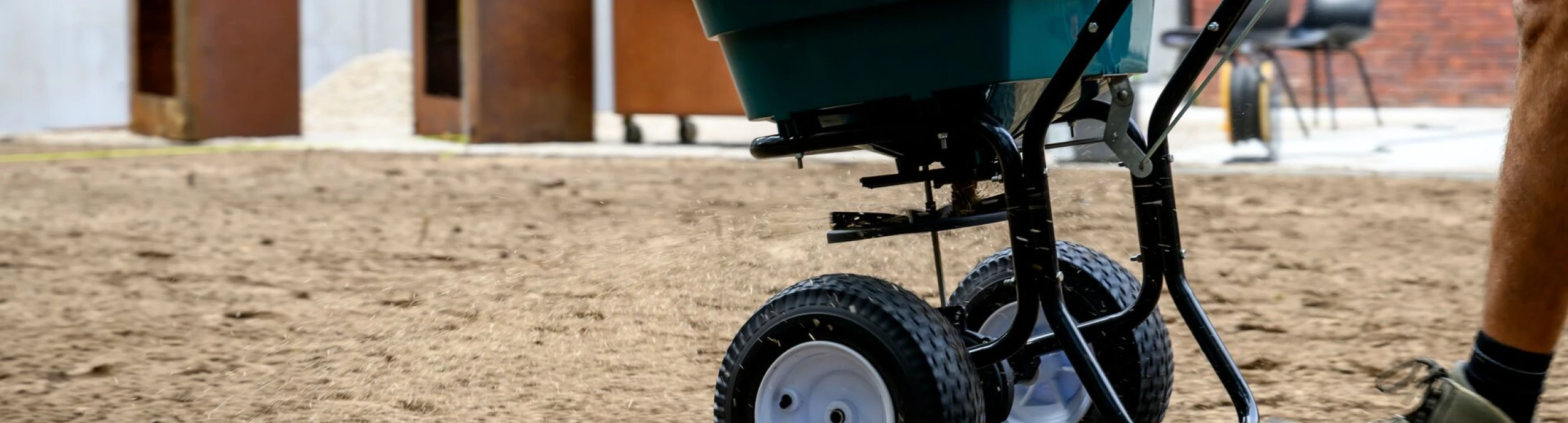
Saving time does not always mean gaining time

Every garden contractor knows the pressure of a packed schedule. Sometimes a project has to move forward quickly and a fast handover is the only realistic option. But experience shows that cutting time on critical stages often costs extra time later on.

By preparing projects thoroughly, paying sufficient attention to soil quality and water management, and communicating clearly with your client, you can significantly reduce the risk of extra work afterwards.

The best handover is not the one that gets you off site the fastest. It is the one that means you do not have to come back later.

Would you like personalized product advice?

Fill out the contact form.

Contact
Brief Summary

Issues related to soil structure, planting and water management often only become visible weeks or even months after project handover. Thorough preparation helps minimise the risk of plant losses, corrective work and additional site visits.

Soil preparation, water management and proper planting are particularly important for the long-term development of a garden. Investing sufficient time in these aspects, even when deadlines are tight, creates the best possible starting conditions and helps minimise aftercare.

Work with clearly defined project stages, build sufficient buffer time into your schedule and decide in advance which crucial steps should never be rushed. This allows you to work efficiently without compromising the quality and long-term performance of the final result.

Summary image alt

Related products