The future of garden landscaping: what is changing for garden contractors?
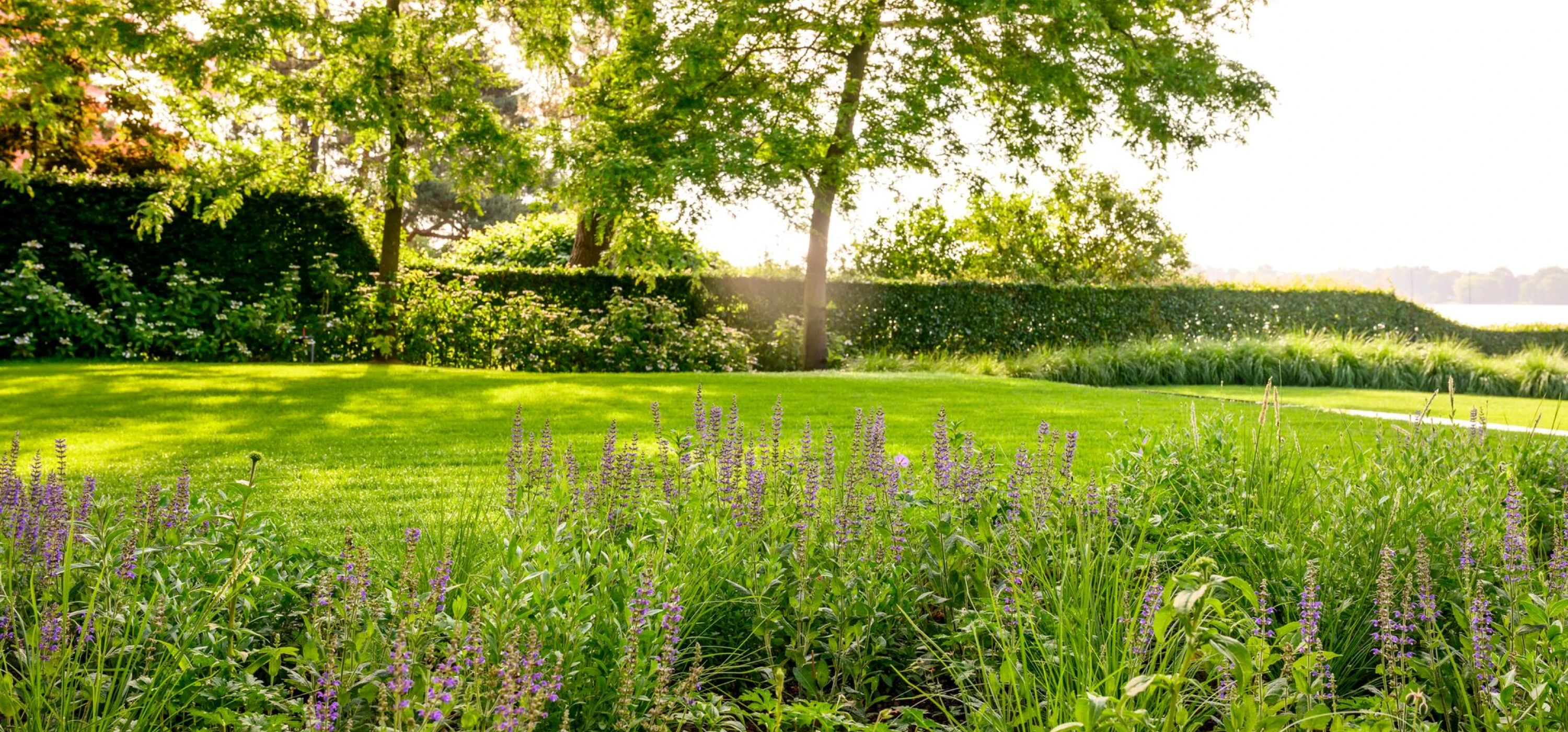
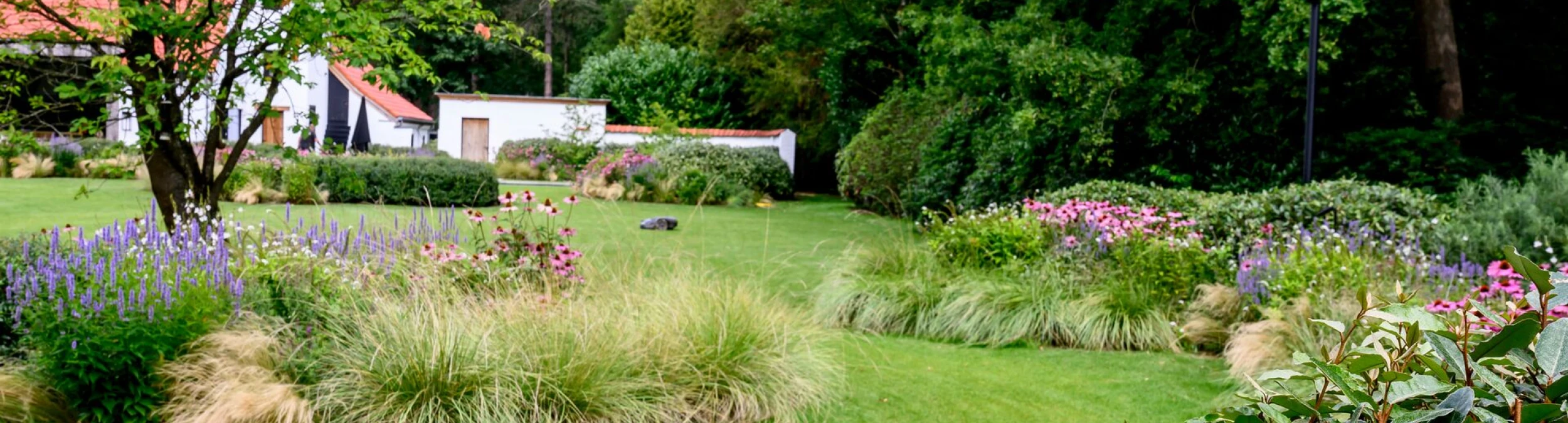
The traditional garden with a large lawn, clean lines, and single-species planting is gradually making way for a new vision of outdoor living. Clients are increasingly looking for gardens that capture and retain rainwater, provide cooling during hot weather, require less maintenance, encourage biodiversity, and offer a pleasant space to relax and enjoy.
This is no longer a vision of the distant future — it is already shaping customer demand today, and its importance will only continue to grow. For you as a landscaper, this represents a valuable opportunity. Those who embrace these evolving needs and garden concepts today can position themselves not only as contractors, but also as trusted advisors and specialists in future-ready gardens.
1. Climate-resilient gardens become the new standard
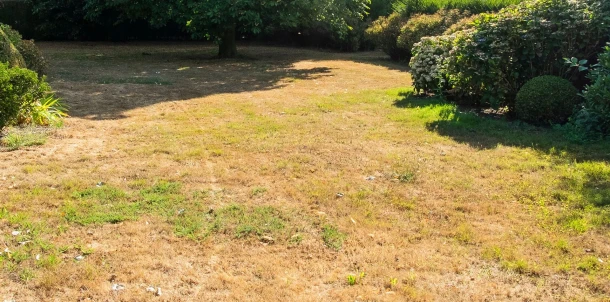
If there is one trend redefining garden landscaping, it is climate resilience. Prolonged periods of drought, heatwaves, and intense rainfall are forcing garden contractors to rethink the way gardens are designed and built.
Smart rainwater harvesting and infiltration
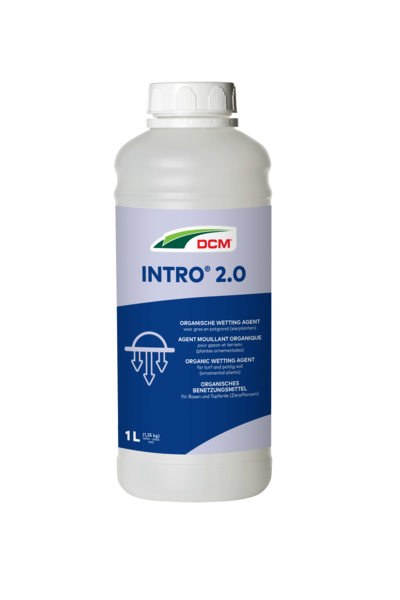
Keeping rainwater on-site for as long as possible is becoming increasingly important. Solutions such as wadis, infiltration zones, ‘rain gardens’, and other landscaped depressions help capture water and allow it to gradually infiltrate the soil. Depending on the location, soil improvement may be necessary to ensure effective infiltration. As a result, expertise in water management is becoming an essential part of garden projects.
Be sure to read: What every garden contractor needs to now about water management
Less lawn, more planting
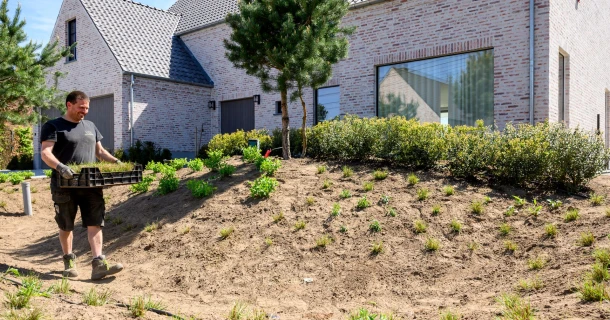
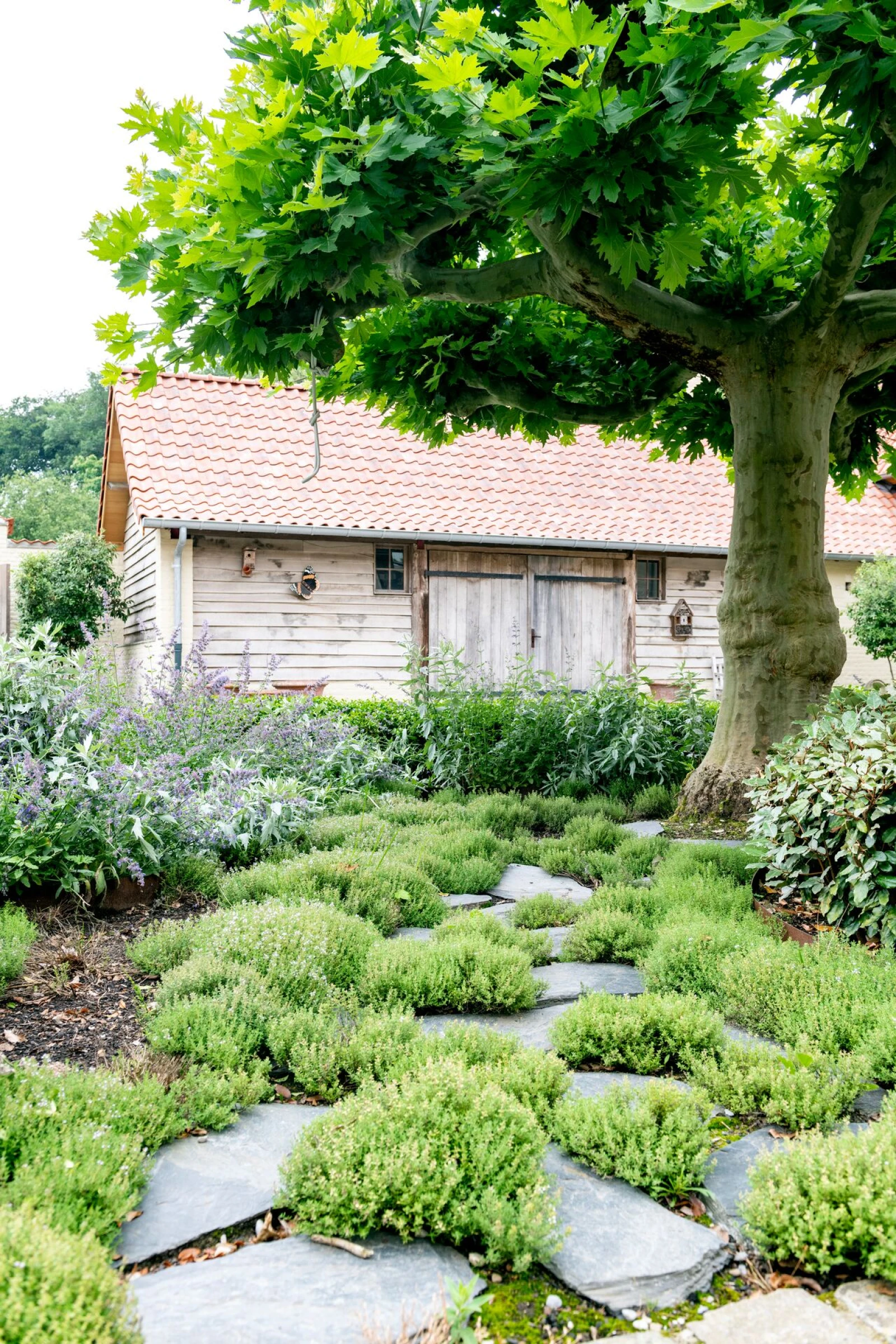
The traditional large lawn is gradually losing popularity. In future-oriented gardens, expansive lawn areas are increasingly being replaced by perennial borders, shrub groups or beds, ground covers, and diverse planting schemes. This shift makes perfect sense: planted areas retain moisture more effectively, often require less water than intensively maintained lawns, and provide more cooling and biodiversity.
Heat-tolerant planting
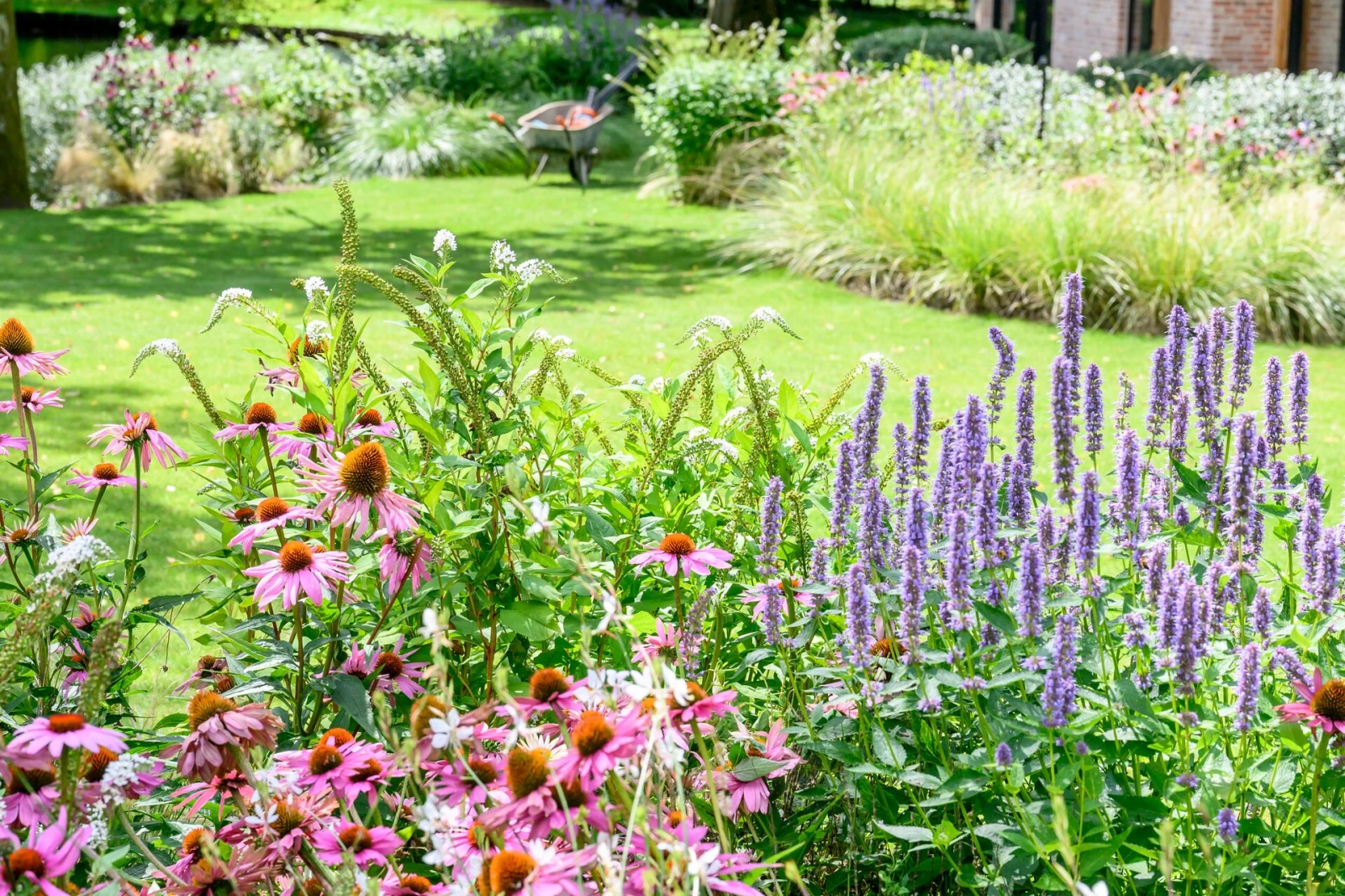
Plant selection is increasingly focused on species that can cope with heat, drought, and changing weather conditions. At the same time, awareness is growing that plant diversity strengthens the garden as a whole. The greater the diversity of species, the more resilient the garden becomes to weather extremes and the better it performs over the long term.
2. New materials and techniques are transforming garden landscaping
Material choices are evolving rapidly as well. Paving solutions, structural elements, and installation techniques increasingly need to meet new requirements related to water management, execution speed, and sustainability. This sometimes calls for a different approach on-site.
Permeable paving is on the rise
Where paving was once selected primarily for its appearance and ease of maintenance, its ability to handle rainwater is now becoming a key consideration. Driveways, pathways, patios, parking areas, and other paved surfaces are increasingly expected to allow water to infiltrate into the ground. Permeable paving fits perfectly within the broader trend towards de-paving and climate-resilient garden design. It requires you as a garden contractor to develop the necessary technical expertise.
Greater efficiency through prefabricated solutions
Prefabricated elements are also becoming increasingly popular in garden construction. Examples include stairs, retaining elements, or other (concrete) components that can be installed more quickly. These ready-made solutions help shorten construction times, improve on-site efficiency, and enable more reliable project planning. In a sector facing ongoing pressure on both labour availability and project deadlines, greater efficiency can provide a significant competitive advantage.
3. Digitalisation as an integral part of every garden project
Digitalisation has been shaping the landscaping industry for some time, but in the coming years it will become even more deeply embedded in your day-to-day work. Far from being a gimmick, digital tools are helping garden contractors work more efficiently, communicate more effectively, and provide clients with greater confidence in their projects.
Selling garden projects with 3D visualisations
Clients increasingly want a clear picture of what they are buying. 3D garden designs make landscaping projects tangible, allowing clients to visualise materials, planting schemes, levels, and layouts before construction starts. This not only helps clients make decisions more quickly but also strengthens your proposals and quotations, while reducing the risk of misunderstandings during the construction phase.
Smart irrigation and robotic mowing
Automated irrigation systems are becoming increasingly sophisticated. Modern systems can be controlled via smartphone apps and automatically adapt to weather conditions, soil moisture levels, and the specific requirements of different garden zones. The same trend can be seen with robotic mowers. Rather than being installed as an afterthought, they are increasingly incorporated into the garden design from the very beginning. This allows pathways, edges, walkways and mowing zones to be planned accordingly, making maintenance more efficient.
4. Growing demand for more natural-looking gardens
Alongside technical innovation, a clear aesthetic shift is taking place. Gardens are becoming softer, more informal, and increasingly natural in appearance. Rather than striving for perfectly manicured outdoor spaces, many clients now prefer gardens that offer atmosphere, character, and a stronger connection with nature.
Organic shapes replacing straight lines
For many years, garden designs were dominated by straight sightlines, angular planting beds, and rigid layouts. Today, however, flowing curves, rounded borders, and more organic transitions between paving and planting are becoming increasingly popular. hese design elements create a warmer, more inviting look while reflecting the growing desire for gardens that feel natural and harmonious.
More diverse planting schemes
Planting designs are also evolving towards greater diversity and a more relaxed aesthetic. Monotonous planting beds are giving way to combinations of perennials, ornamental grasses, roses, and ground covers. This approach not only delivers longer-lasting visual appeal and a richer seasonal experience but also enhances biodiversity. Native flowering species, which play a crucial role in supporting local pollinators and beneficial insects, are increasingly finding their place in modern planting schemes.
Wildflower meadows require expertise
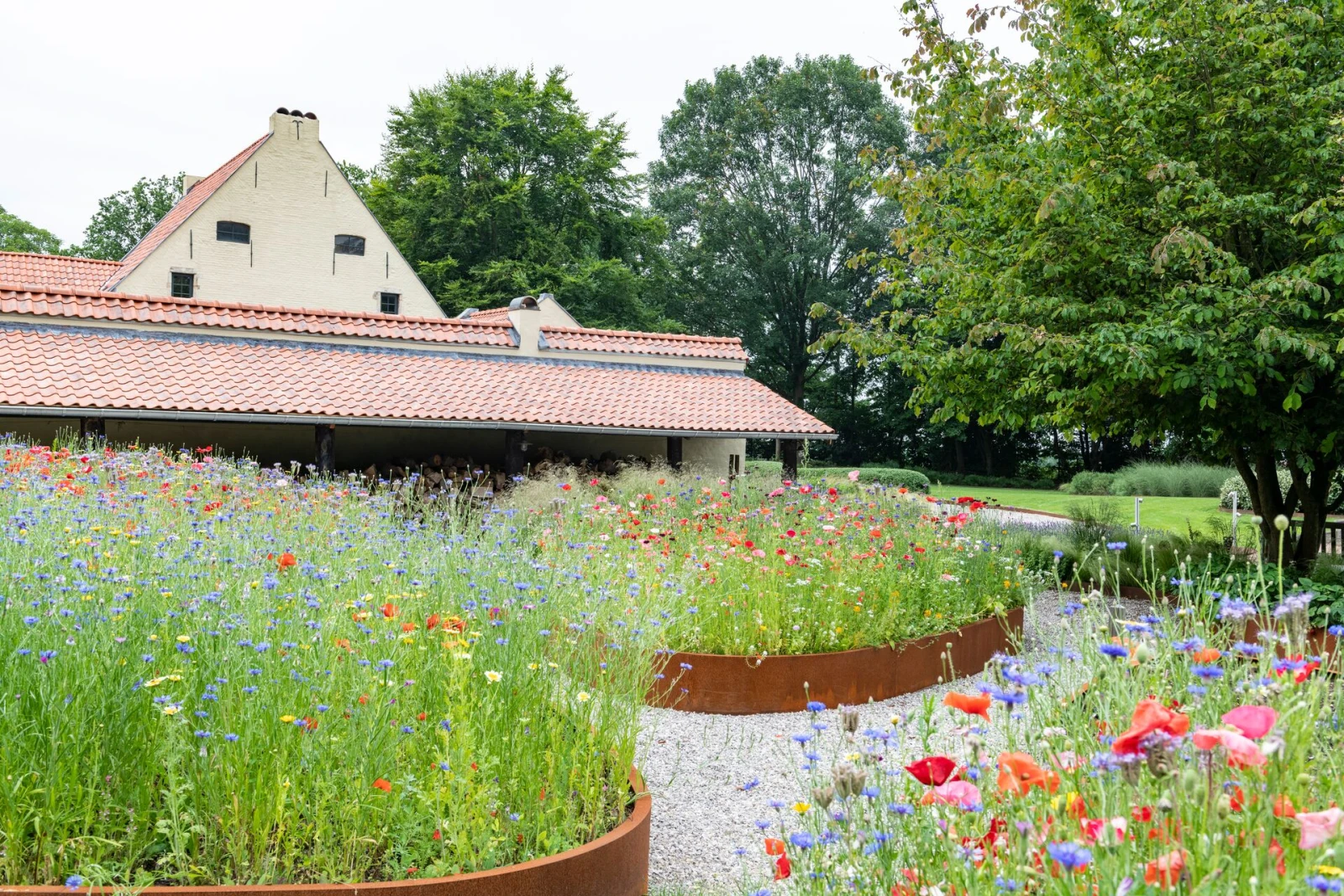
Interest in wildflower meadows continues to grow among garden owners. While a colourful meadow may appear effortless, creating and maintaining one requires considerable expertise. This presents an excellent opportunity for landscaping professionals to demonstrate their added value. A successful wildflower meadow is far more than an area left to grow unchecked. It requires thorough site preparation, a carefully selected seed mixture, and a well-planned mowing regime. Clear communication about expectations and proper professional installation are essential to achieving lasting results.
By advising clients correctly from the outset and applying the appropriate technical knowledge, landscaping professionals can truly differentiate themselves and create wildflower meadows that thrive for years to come.
5. Maintenance is increasingly being outsourced
Many clients want more greenery, but not more work. As a result, ease of maintenance is becoming one of the strongest selling points for the coming years.
Less lawn means less mowing, less irrigation, and often less fertilisation. Thoughtfully selected plants, ground covers and mulching materials can further reduce maintenance needs. In addition, automated solutions such as robotic mowers and smart irrigation systems help minimise the time and effort required to keep a garden looking its best.
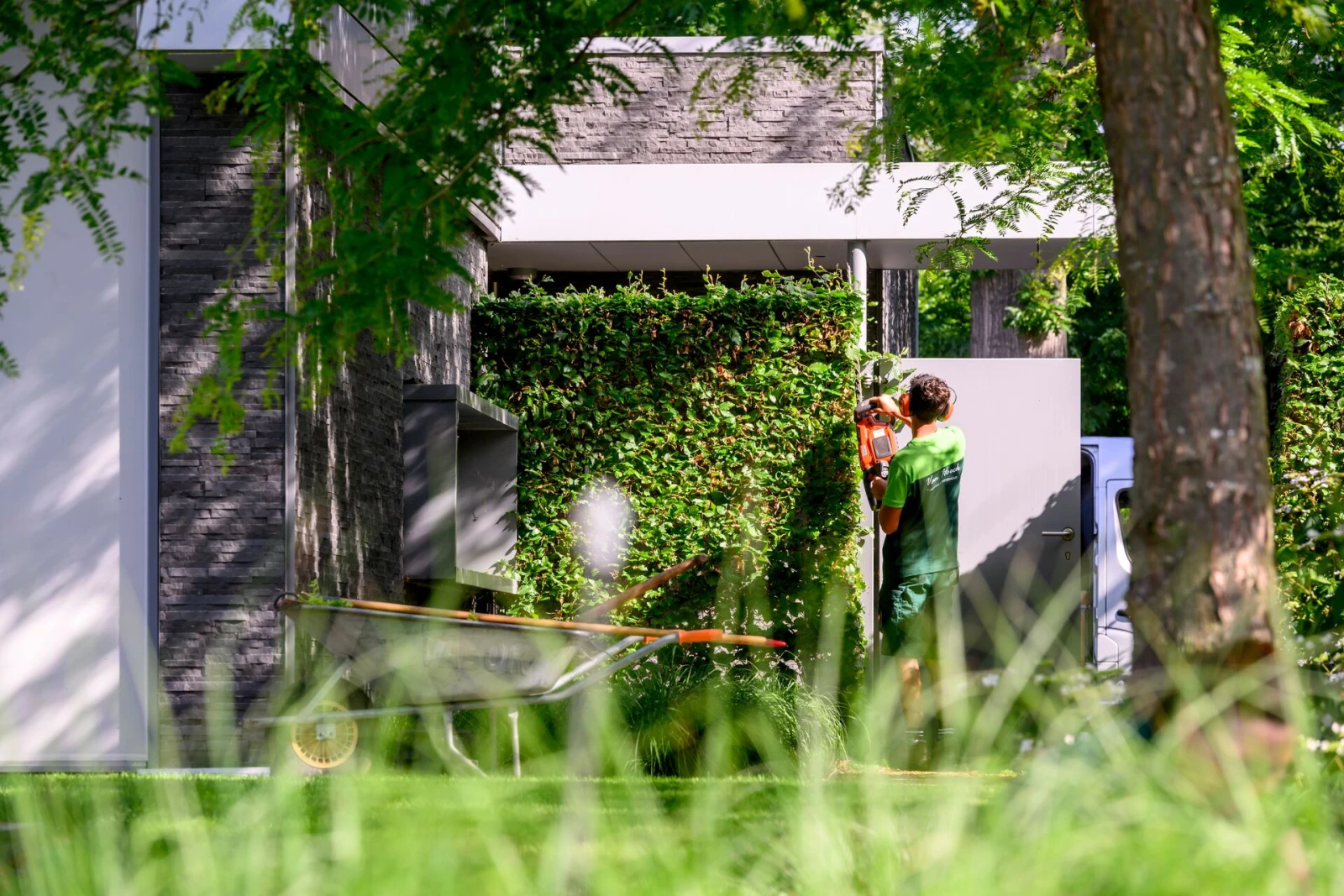
At the same time, more and more clients are choosing to outsource garden maintenance altogether, creating additional opportunities for you as a landscaping professional. By taking maintenance requirements into account from the very beginning of the design and installation process, garden contractors can more easily complement a landscaping project with an ongoing maintenance contract. As a result, a garden project becomes more than a one-off installation – it evolves into a long-term client relationship.
6. Sustainable landscaping is becoming a reality
Sustainability is no longer a vague concept. Today’s clients ask specific questions about the origin of materials, the type of fertilisers used, plant protection methods, and the overall environmental impact of their garden. They expect clear answers—and therefore rely on the expertise of landscaping professionals.
Greater focus on locally and ecologically grown plants
Trees sourced from local nurseries, organically or ecologically grown perennials and roses carrying recognised sustainability labels are attracting growing interest. As the availability of these products continues to expand, staying informed about sustainable plant production will become an increasingly valuable asset for garden professionals.
Reuse of materials
Materials with a lower environmental footprint are also gaining importance. Reusing existing paving stones, incorporating reclaimed wood, or reusing excavated soil and rubble on site are all choices that not only make a garden project more sustainable, but also add character and authenticity to the finished garden.
Less weeding, more mulching
When it comes to weed management, the focus is shifting from control to prevention. Ground covers and mulching materials create a physical barrier that helps suppress weed growth while protecting the soil from drying out and from temperature fluctuations. This approach fits perfectly within future-oriented garden design, where keeping the soil covered is a key principle. Sustainable mulching materials are therefore becoming increasingly important in climate-resilient gardens.
How can you identify a locally sourced, sustainable mulching material?
Fewer pesticides, more natural solutions
Plant protection practices are evolving as well. Owners of natural gardens tend to look differently at pests and so-called nuisance insects and expect environmentally responsible solutions. As a result, prevention, monitoring, and targeted biological control methods are steadily gaining ground.
For garden contractors, this means understanding not only when intervention is necessary, but also which natural solutions are available.

More organic fertilisers
Fertilisation practices are evolving too. Organic and circular fertilisers fit perfectly within future-oriented garden management, as they work in harmony with soil life and contribute to long-term soil health. They respond to the growing demand for both sustainable landscaping and sustainable maintenance.
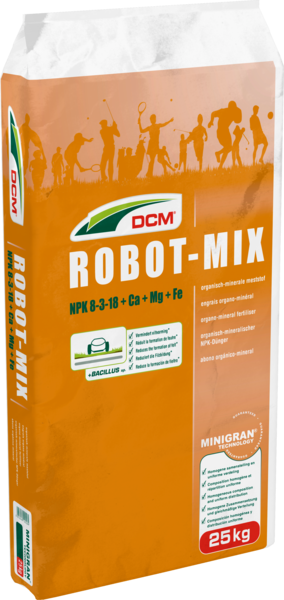
This is an area in which DCM has built extensive expertise over many years: developing organic fertilisers that not only nourish plants, but also improve soil quality and contribute to a more resilient garden ecosystem. A good example is DCM ECOR®, a range of professional solutions designed specifically for organic gardening.
Electric equipment instead of petrol-powered machines
On-site, the transition from fossil-fuel-powered equipment to battery-powered alternatives continues. Electric machines operate more quietly and create a more pleasant working environment for employees, clients, and neighbours alike. The range of available equipment continues to expand, making the transition increasingly feasible.
7. The garden becomes an additional living space
Finally, the role of the garden is evolving as well. Clients increasingly see their garden as a fully integrated living space: a place to cook, relax, work, or entertain guests. Outdoor kitchens, lounge areas, covered terraces, garden offices, atmospheric lighting, shade-providing trees, and wellness features such as hot tubs are becoming ever more popular. For you as a garden contractor, this trend creates opportunities to collaborate more closely with other specialist partners and to deliver outdoor spaces as complete lifestyle concepts. These projects are particularly attractive because they tend to be highly visible and provide an excellent showcase of your creativity, craftsmanship, and expertise.
Why garden contractors need to respond to these trends now
The future of landscaping is not defined by a single trend, but by the convergence of several developments. The garden of tomorrow is climate-resilient, low-maintenance, naturally designed, intelligently managed, and sustainably constructed. Meeting these expectations requires an open mindset and a willingness to embrace new approaches—not only in execution, but also in design, material selection, water management, planting schemes, and aftercare.
Those who adapt to these changes today will be better positioned to meet the demands of tomorrow. Keeping pace with this evolution is no longer an optional extra; it is essential for securing the future of your business. Garden contractors who invest in knowledge, innovative techniques, and sustainable solutions today can make a real difference tomorrow—for both their clients and their own business.
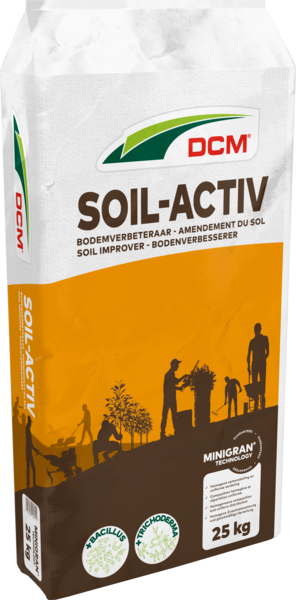
DCM supports garden professionals in this transition with a wide range of professional solutions, including sustainable mulching and ground-cover products, organic fertilisers, soil-improving solutions, and natural methods of pest control.