Why does growth come to a standstill?
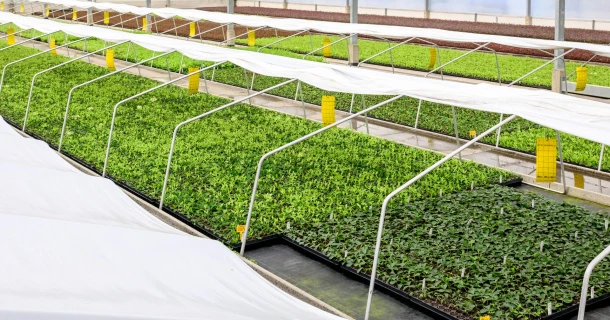
Growth stagnation in ornamental plants is rarely caused by a single factor. Healthy growth depends on a continuous balance of water, oxygen, nutrients, temperature and an active root system. As soon as one of these factors is disrupted, the growth process slows down.
In many cases, the problem starts below ground. Reduced root activity limits the uptake of water and nutrients, even when they are present in sufficient quantities. An excessively high EC, an unfavourable pH or changes in water quality can also inhibit nutrient uptake. In addition, external factors such as heat, sudden weather changes or a different irrigation water source can have a significant impact.
Because several causes may occur simultaneously, it is important not to jump to conclusions. Always start with a systematic analysis and only then take corrective action. This helps to avoid unnecessary costs and prevents additional stress on the crop.
Getting growth back on track: a practical checklist
1. Check watering and water quality
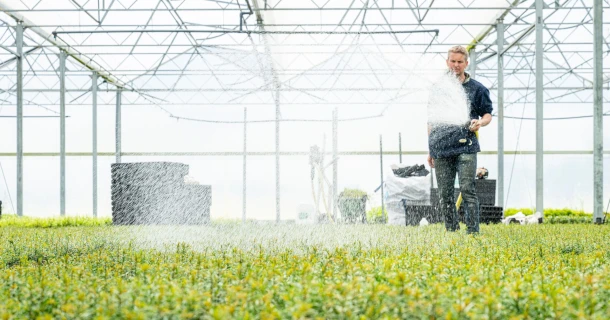
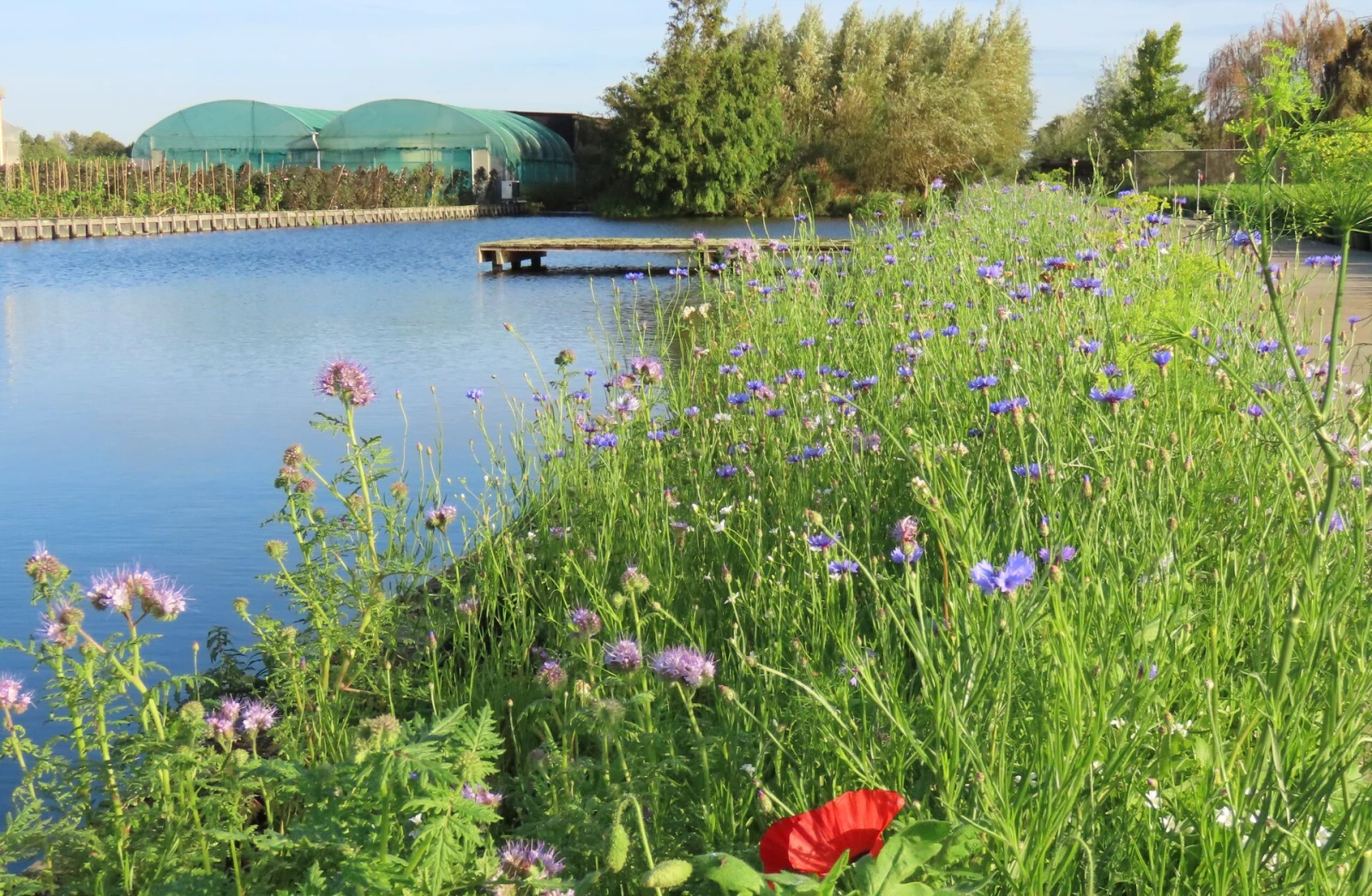
Water is the driving force behind all growth. A substrate that is either too wet or too dry restricts root activity and is often at the root of growth problems. Check not only the moisture level at the top of the pot, but also deeper in the substrate. Can excess water drain away properly? Does the root zone remain wet for too long? Pay close attention to irrigation water quality as well. When switching from rainwater to well or surface water, the composition can differ significantly, with a direct impact on crop growth.
In practice, our DCM experts regularly find that a change in water source is an overlooked cause of growth problems. A simple water analysis can quickly reveal such differences and help prevent incorrect conclusions about the cause of growth stagnation.
2. Check root development
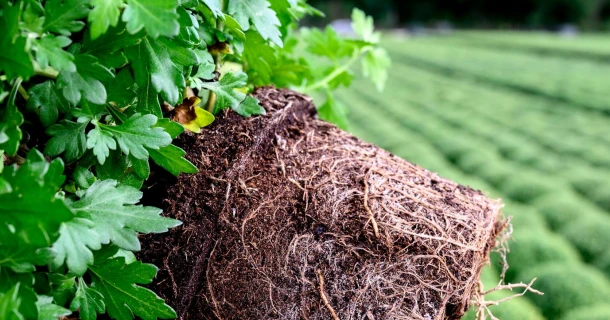
A strong root system is the foundation of a resilient plant. That is why it pays to literally take a look under the pot or in the planting hole when growth problems arise.
· Is root development sufficient?
· Are active, fine root hairs present?
· Are the roots developing deeply enough?
Problems with root development almost always result in growth issues. Without an active root system, the effectiveness of fertilisation will also remain limited.
3. Measure the pH and EC of the substrate or soil
A correct pH is essential for efficient nutrient uptake.
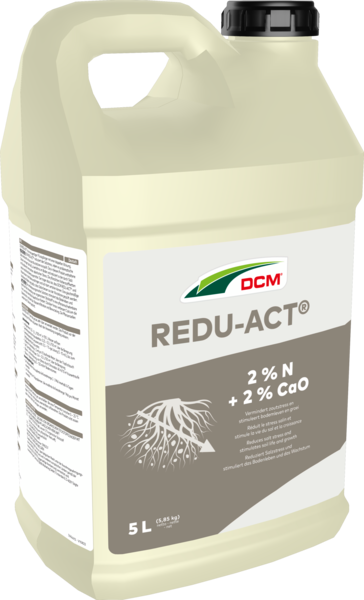
Also check the EC (electrical conductivity). An excessively high EC indicates an excess of dissolved salts, making it more difficult for plants to absorb water and nutrients. In such cases, it is important to remove the excess salts first before considering additional fertilisation. DCM REDU-ACT® helps reduce salt stress in the root zone.
4. Adapt fertilisation to the growth stage
Not every growth stage requires the same amount of nutrients. By recognising growth spurts in time, you can adapt your fertilisation strategy accordingly.
In practice, we often see growth delays occur when a plant’s nutrient demand changes more rapidly than the fertilisation programme. Split applications help prevent major fluctuations in nutrient availability and promote steady, uniform growth.
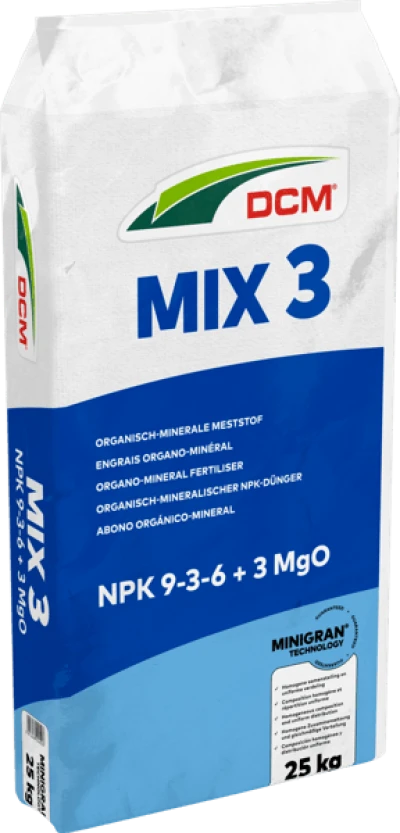
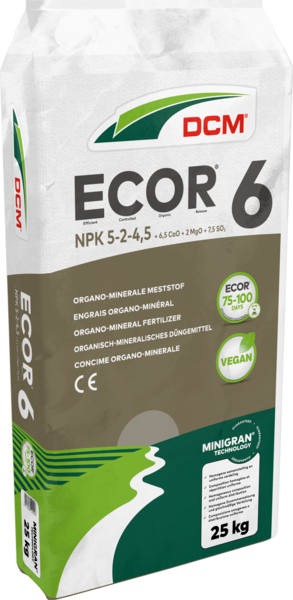
Organic fertilisers such as DCM ECOR® provide a controlled nutrient release, ensuring a continuous supply without sharp peaks. If a temporary boost is required, an organo-mineral supplementary fertiliser such as DCM MIX 3 can be a valuable addition.
5. Use soil and substrate analyses as a guideline
Measuring prevents guesswork. DCM recommends carrying out analyses not only when growth problems arise, but also as a preventive measure. A soil or substrate analysis during winter, followed by a follow-up analysis during the growing season, for example in June, provides a reliable picture of nutrient availability and allows timely adjustments. This helps you develop a fertilisation strategy that is better aligned with the crop’s needs.
6. Take temperature into account
Not every growth delay is caused by a lack of nutrients. Temperature fluctuations, heatwaves and sudden weather changes can also temporarily slow down plant growth.
During warm periods in particular, heat stress is often a major cause of growth stagnation in container-grown crops. Good water management, an active root system and a balanced nutrient supply help plants cope more effectively with these stressful conditions.
Read also: Heat stress in pot and container cultivation: 5 smart measures before damage occurs
First solve the cause, then gently restart growth
Once the cause of the growth stagnation has been identified, the solution usually does not need to be drastic. On the contrary, first address the underlying issue and then support recovery step by step. This can be achieved, for example, by stimulating root development, applying light corrective pruning to encourage growth if necessary, or starting phased supplementary fertilisation.
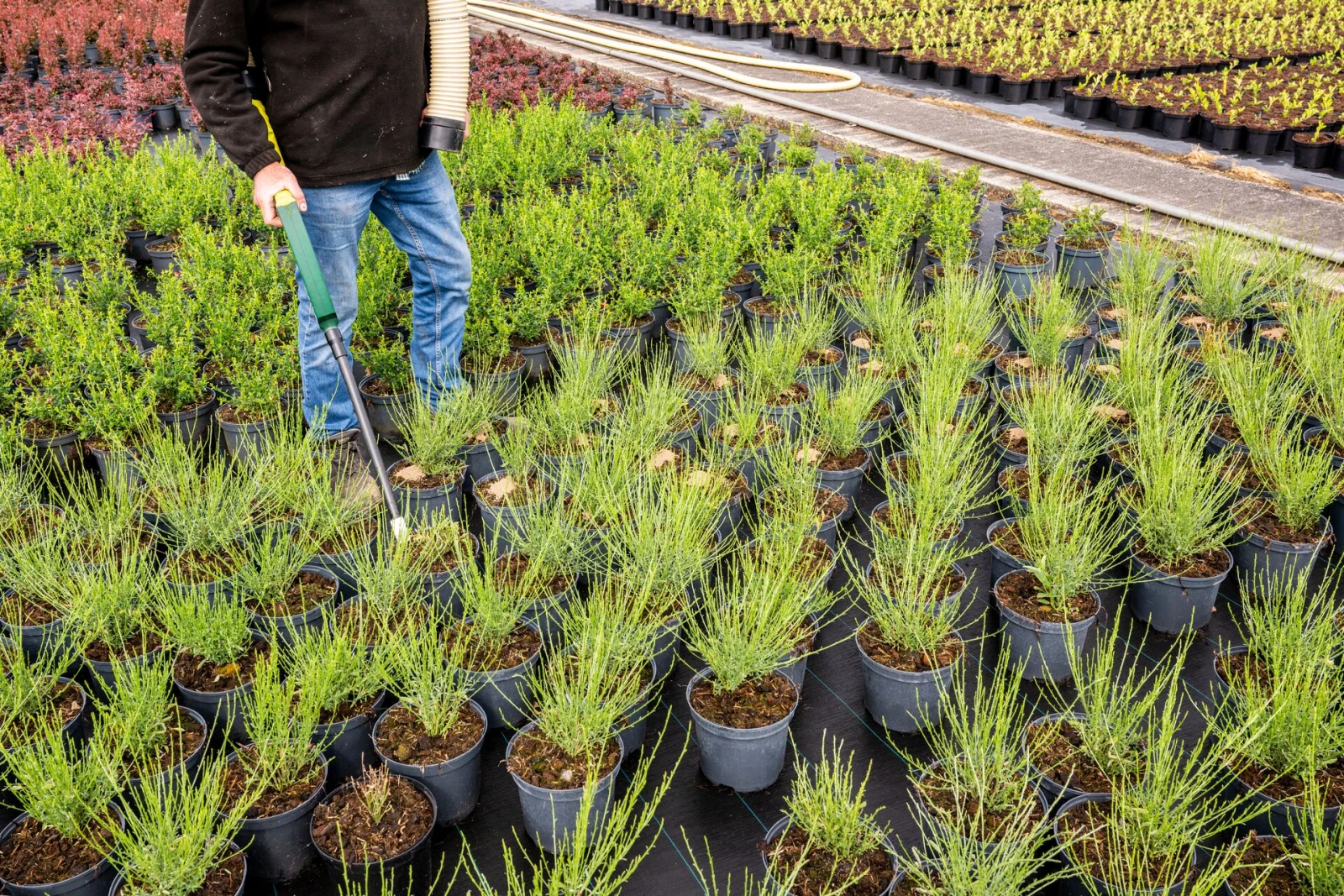
Avoid making drastic changes to several parameters at the same time. Major corrections can increase stress and make it difficult to assess the effect of each measure individually. A gradual, phased approach generally leads to more sustainable growth recovery and helps plants become more resilient to future stress conditions.
A thorough analysis prevents unnecessary growth delays
Growth stagnation rarely requires a quick intervention; rather, it calls for a well-considered analysis. By systematically checking water availability, root development, pH, EC, nutrition and environmental factors, the real cause can usually be identified quickly. This allows you to make targeted adjustments without placing additional stress on the plant.
DCM supports professional ornamental growers not only with innovative fertilisers and biostimulants, but also with practical product advice tailored to their cultivation practices. This helps growers not only restore plant growth more quickly, but also build a more resilient crop with stable growth throughout the entire season.