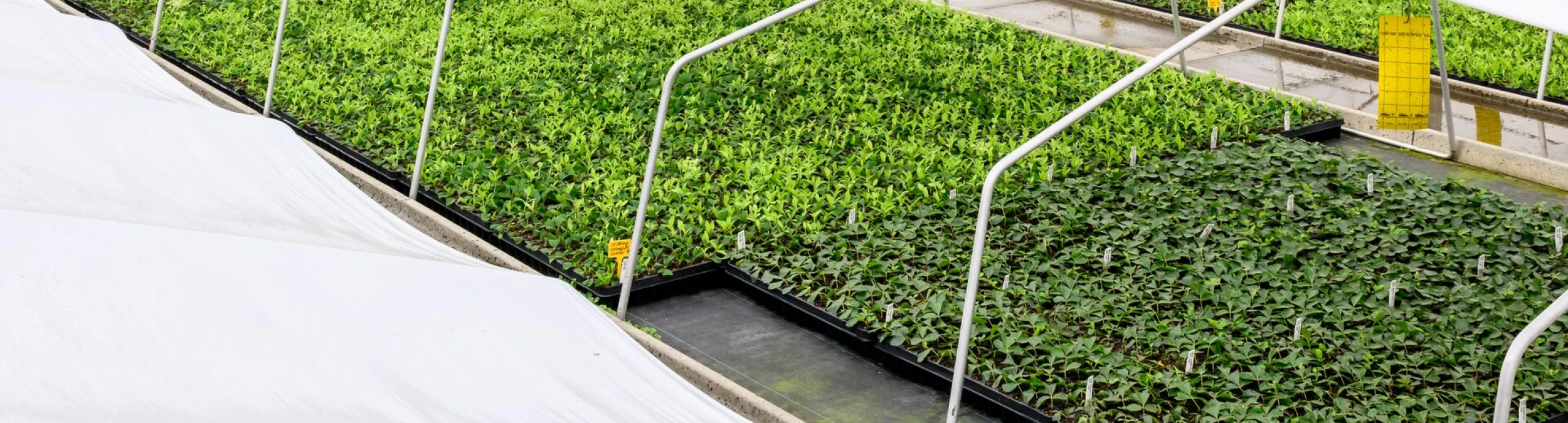
Why heat stress has such a strong impact in container cultivation
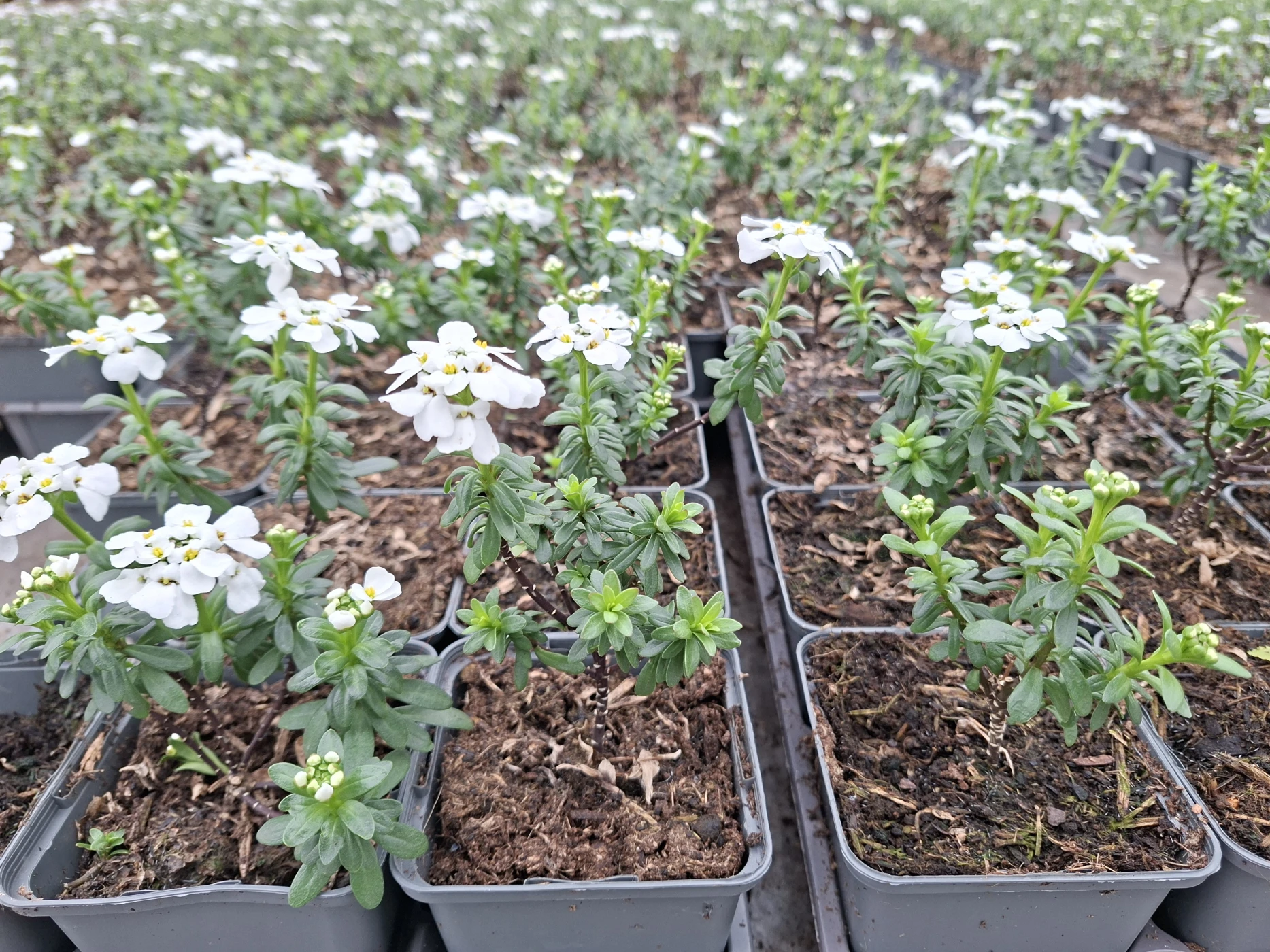
Heat stress rarely develops overnight. In most cases, pressure gradually builds up in the root zone, long before above-ground symptoms appear. In pot and container cultivation, this process also progresses faster than in open-field production.
On warm days, the substrate in pots can heat up significantly. As the potting soil dries out, roots must work harder to absorb water, while their activity actually declines at higher temperatures. This triggers a chain reaction within the plant.
The consequences?
Reduced water uptake
Higher salt concentrations (EC), as nutrients remain in a smaller volume of available water
Reduced root activity at a time of increased water demand
Increased susceptibility to growth stress, quality loss, and plant failure.
The risks are particularly high in the first 14 days after potting. During this phase, plant activity is mainly focused below ground, with limited visible activity above ground. As a result, early stress often goes unnoticed.
The first 14 days after potting: three factors that make all the difference
Preventing heat stress: 5 effective measures
1. Take a smart approach to water management
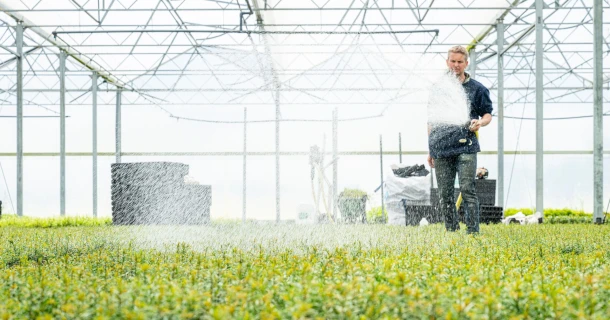
Giving more water during periods of heat may seem logical, but it is not always the most effective response. In many cases, increasing irrigation frequency while maintaining the same total water volume works better than applying one large dose. This creates a more gradual cooling effect in the pot without causing prolonged saturation of the growing medium.
Applying preventive irrigation before hot weather is forecast also helps build a stable water buffer in the root zone. A well-moistened pot is better able to absorb temperature fluctuations.
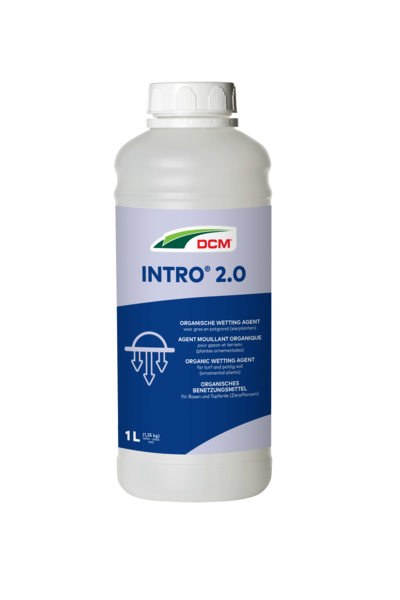
Uniform water distribution within the substrate is equally important. In dry or water-repellent growing media, water does not always reach the entire root zone. This limits the effective use of the pot and can lead to uneven growth, with parts of the root zone remaining under-utilised, ultimately affecting plant quality. An organic wetting agent such as DCM INTRO® 2.0 can help distribute moisture more evenly throughout the pot and improve irrigation efficiency.
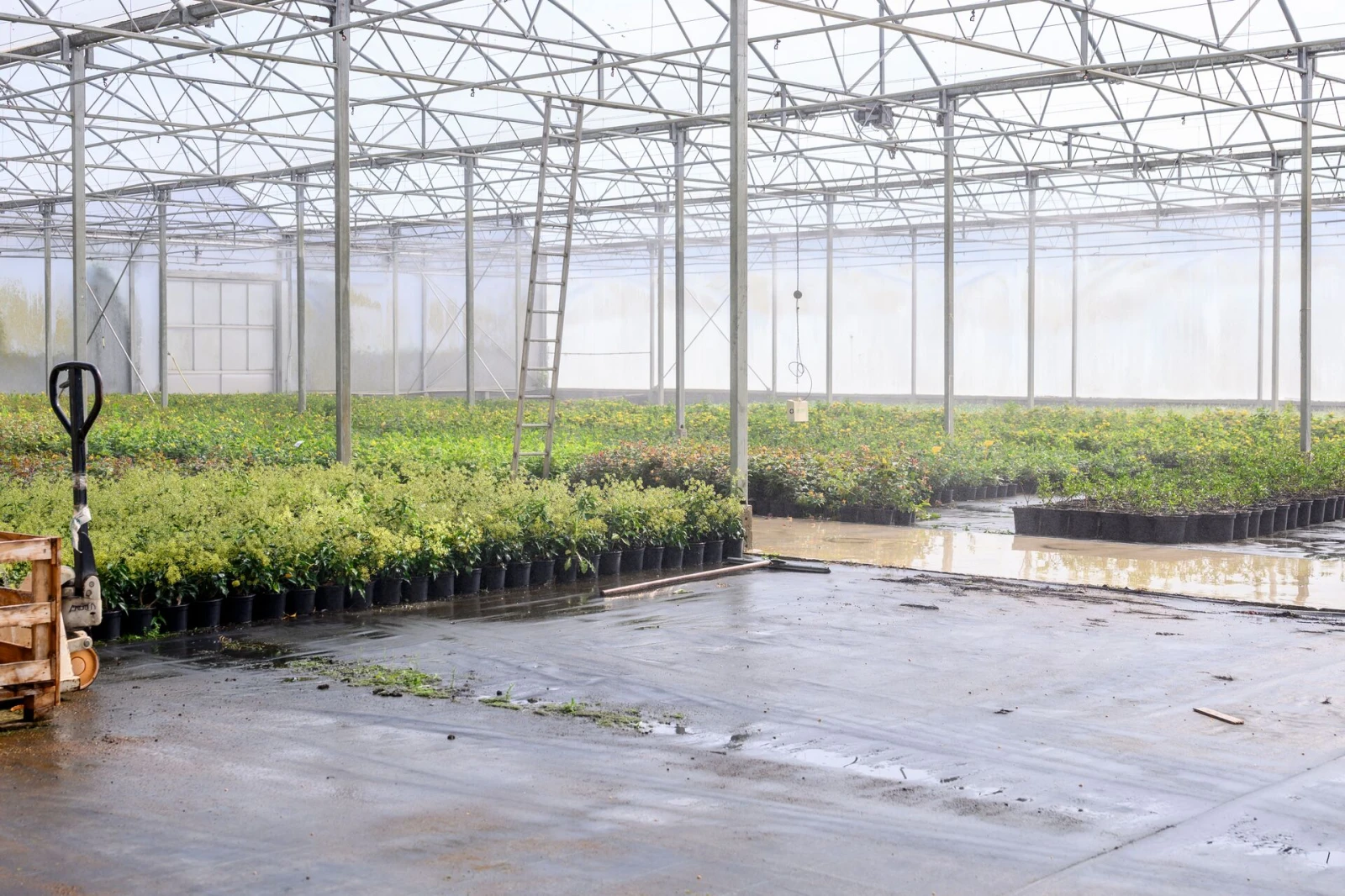
This innovative solution from DCM improves irrigation efficiency
2. Strengthen the plant before stress becomes visible
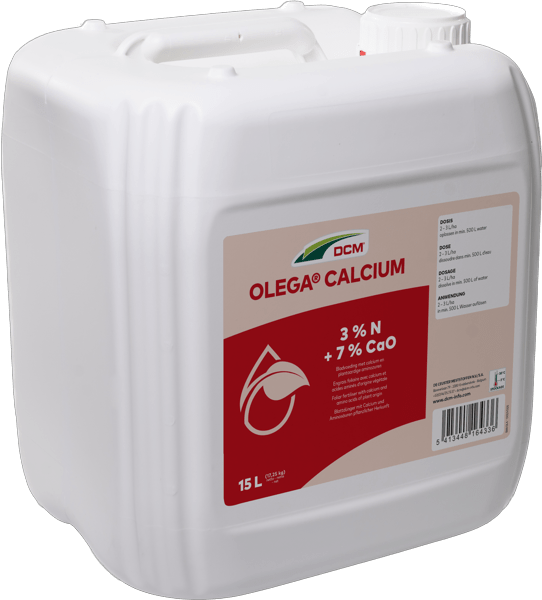
Heat puts pressure on plant cells. A stronger cell structure helps crops better withstand drought and water stress. Calcium plays an important role in this, as it contributes to stronger cell walls and improved resilience. Applying a calcium-based foliar feed early in the crop cycle, such as DCM OLEGA® CALCIUM, can help prepare plants for warmer conditions. Timing is crucial here: once stress symptoms become visible, growth retardation has often already begun.
3. Invest in active roots
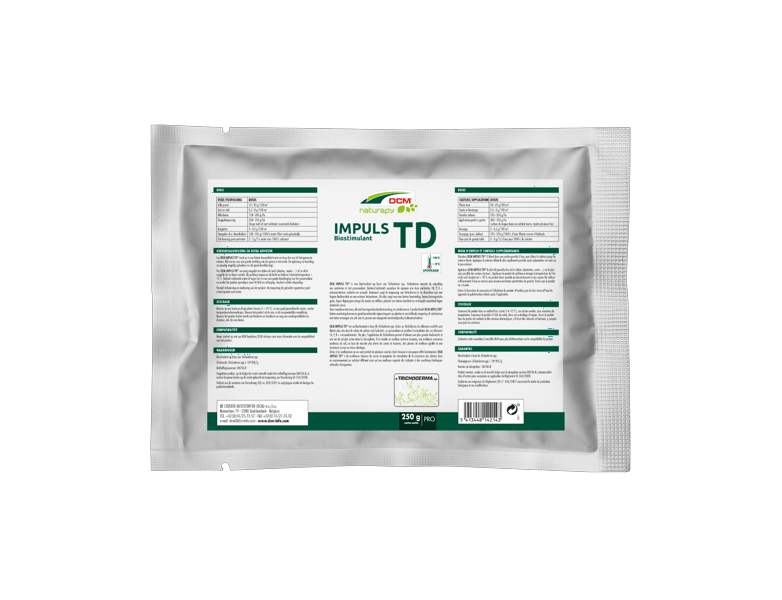
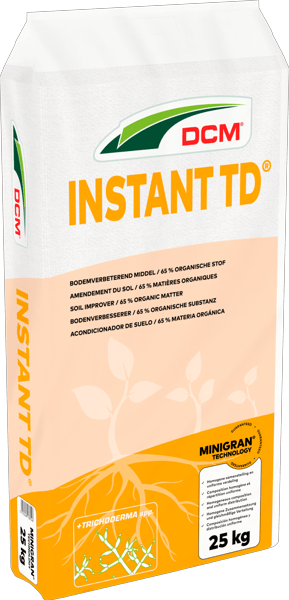
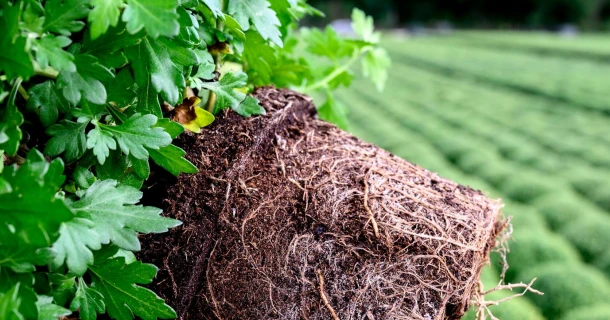
At high temperatures, it is all about uptake capacity. Plants with a finely branched root system develop more root hairs and absorb water more efficiently. That is why more and more growers are turning to beneficial microorganisms such as Trichoderma. Active soil life stimulates root growth, supports water uptake, and increases resilience under challenging conditions. Depending on the crop, applications can be made either by mixing a MINIGRAN® formulation such as DCM INSTANT TD® into the substrate, or by applying a liquid solution like DCM IMPULS TD®.
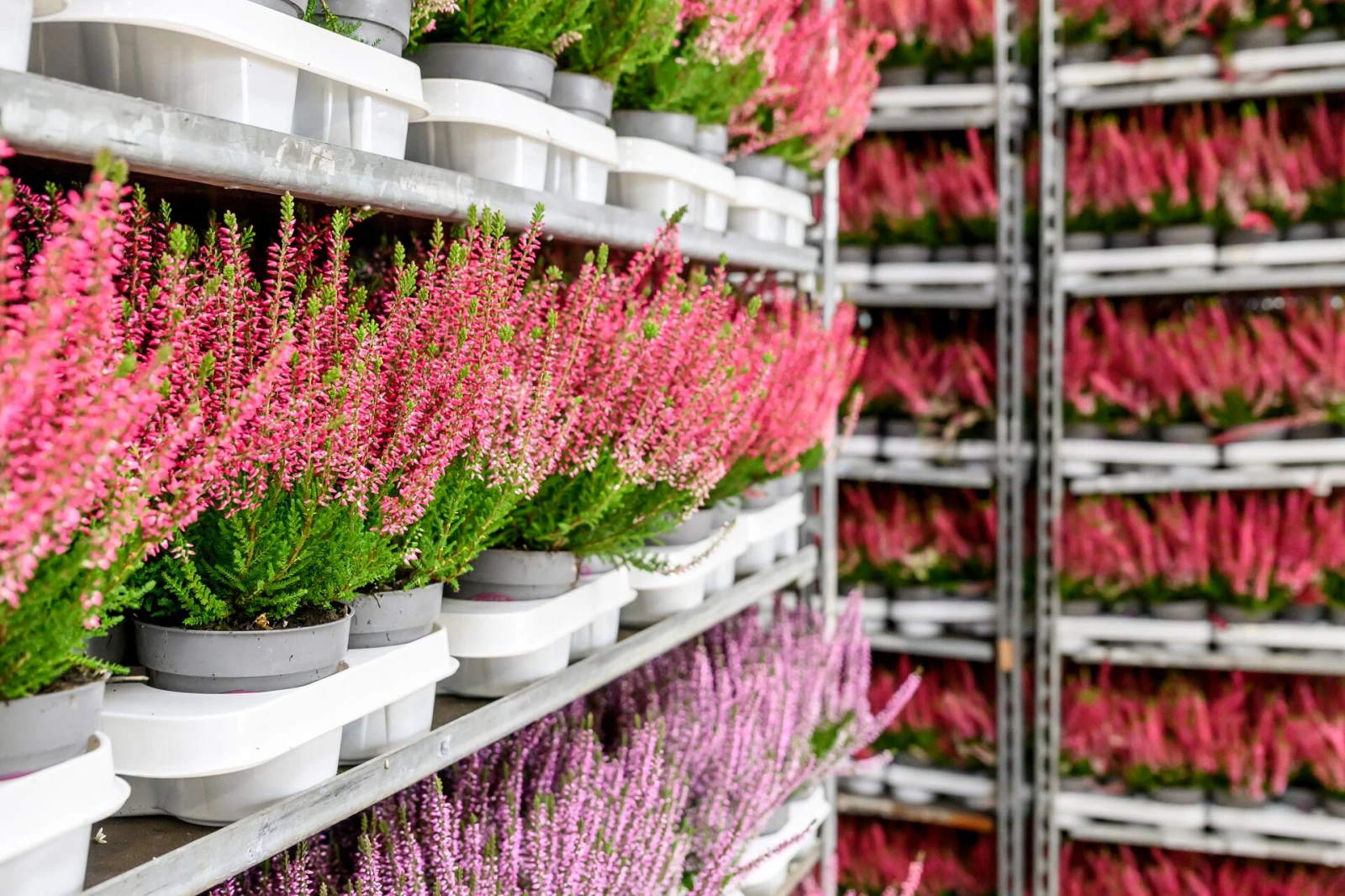
A preventive focus on root activity and a strong root environment often deliver measurable results in practice. For example, Calluna grower Decora Plants significantly reduced plant losses by investing in targeted root development and improved plant resilience.
Read the case study: “How does Decora Plants prevent Calluna losses without increasing workload?”
4. Keep the root zone cooler
In addition to irrigation, physical protection remains important to limit excessive heat build-up. A few simple measures can significantly reduce temperatures in the pot and the growing medium:
Whitewash greenhouses to reduce solar radiation
Use shading screens during peak heat periods
Minimise direct sunlight exposure on pots whenever possible
Optimise air circulation in tunnels or greenhouses
In many cases, improvements are not achieved through a single major intervention, but through multiple small optimisations that collectively reduce peak stress.
5. Think ahead with a stable basic fertilisation
During periods of heat, the nutrient balance can become disrupted more quickly. Organic basic fertilisation ensures a gradual release of nutrients and helps prevent peaks in salt concentration.
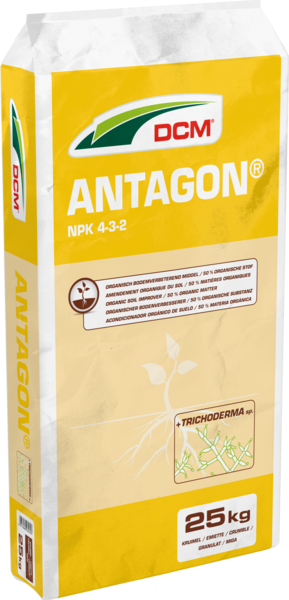
An organic fertiliser such as DCM MINIGRAN also supports soil life, which indirectly benefits root activity. As a result, fewer corrective measures are often needed during stress periods.
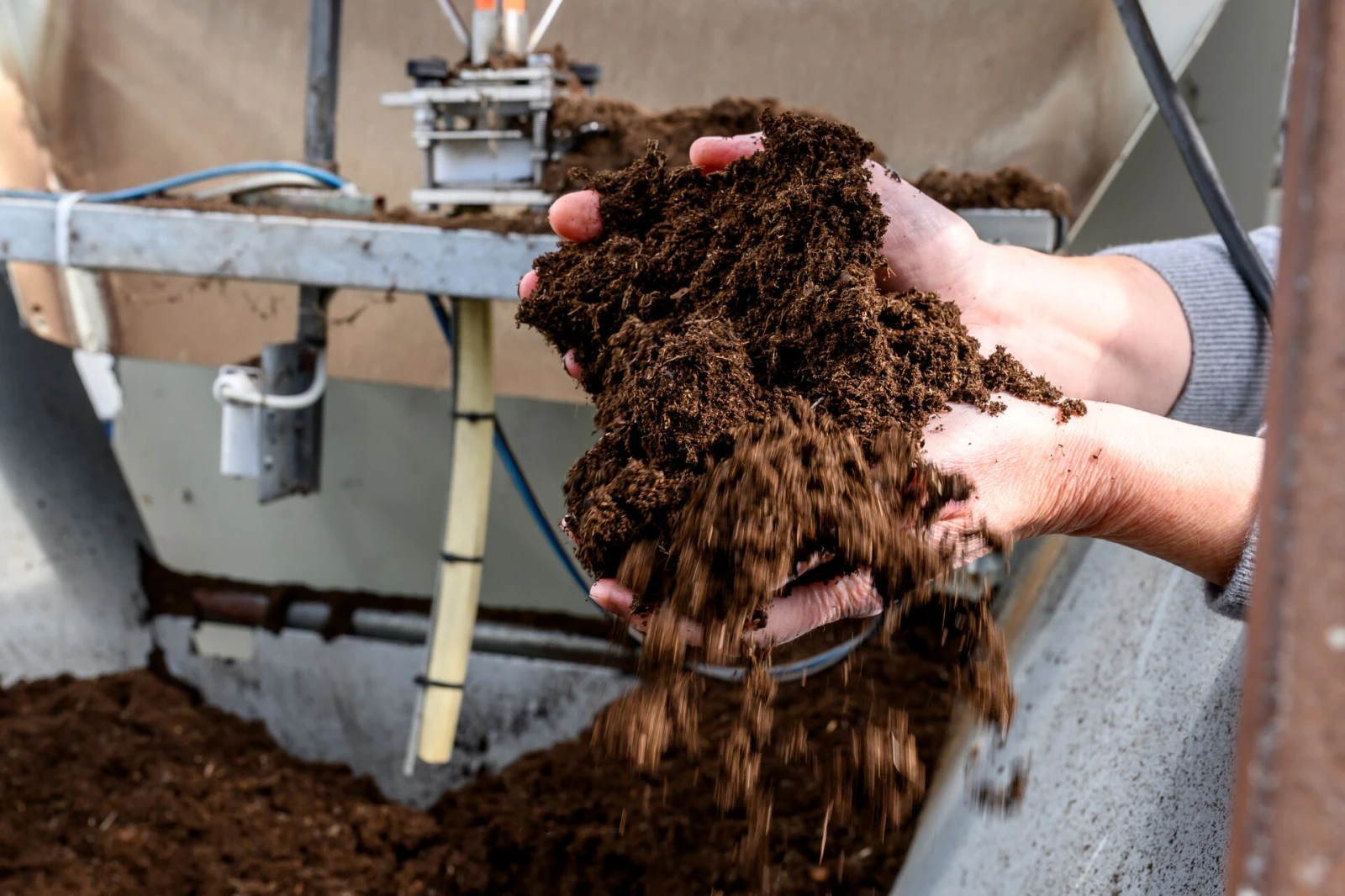
What you should avoid during heat stress
Some well-intended actions can actually increase stress.
What should you avoid doing?
Applying extra fertiliser “to help the plant”
During heat, nutrient uptake capacity is often reduced. Additional fertiliser mainly raises the EC in the substrate, placing extra strain on the roots.Watering more frequently, each time with fertiliser
More frequent watering combined with fertiliser can unintentionally lead to excessive salt levels. Especially during warm periods, it is important to consider irrigation and fertilisation separately.
Strong crops start below the ground
To reduce heat stress in pot and container cultivation, it is important to look beyond the visible symptoms alone. A stable water balance, active roots, well-planned fertilisation, and preventive measures to support plant resilience often make the difference - well before the first heat peak occurs. A stable water balance, active roots, a well-planned fertilisation, and preventive measures to support plant resilience often make the difference even before the first heat peak occurs.
With years of expertise in soil, nutrition and root activity, DCM helps growers build stronger, more stable crops, even under increasingly challenging conditions.